

Friday 14 March 2025
The latest advancements in large language models (LLMs) have been met with a mix of excitement and skepticism. On one hand, these AI systems have shown impressive capabilities in tasks such as generating text, answering questions, and even creating original content. On the other hand, concerns have been raised about their potential to spread misinformation, reinforce biases, and potentially disrupt industries.
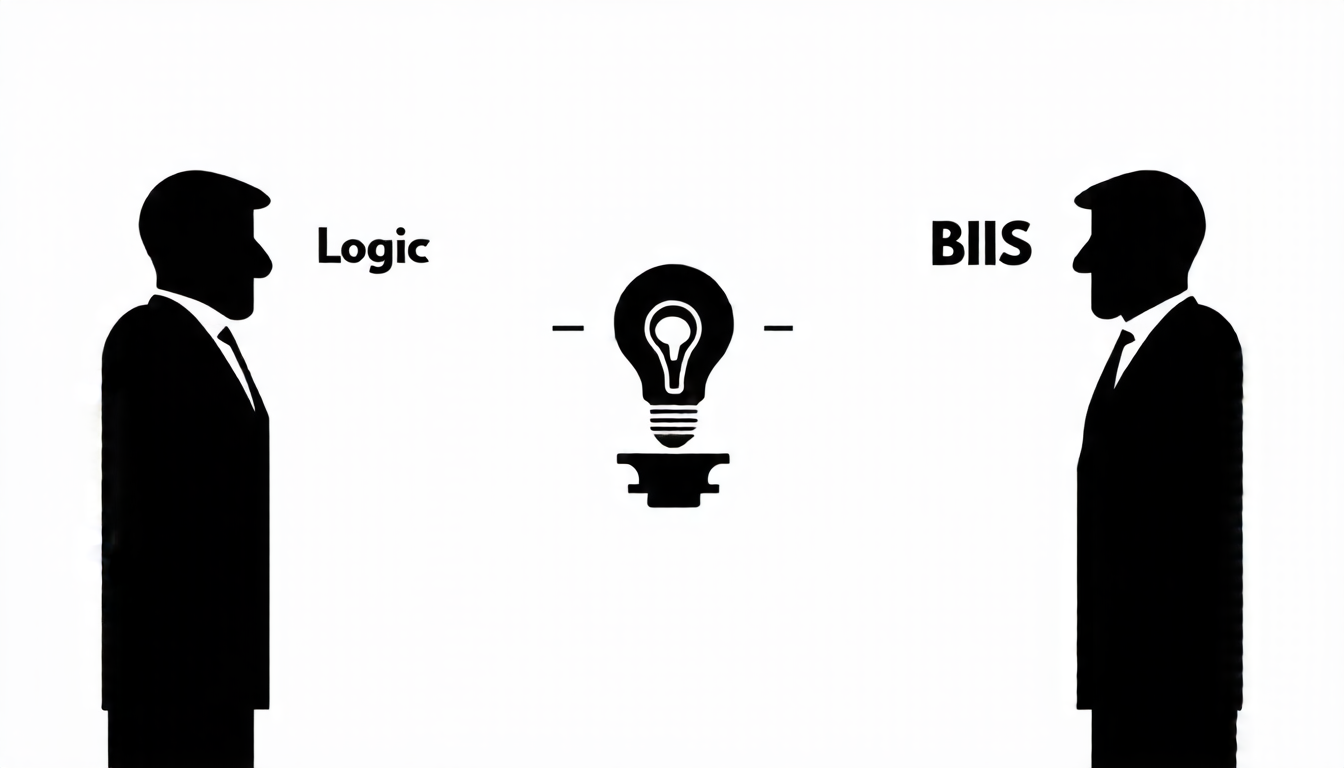
One approach that has gained attention is the use of self-reflecting LLMs, which are designed to think critically about their own thoughts and outputs. This concept may seem paradoxical – after all, AI systems are not typically known for their introspective abilities. However, researchers have found that by incorporating elements of dialectics, a philosophical framework developed by Georg Wilhelm Friedrich Hegel, they can create LLMs that engage in constructive debates with themselves.
The idea behind this approach is to simulate the way humans think and reason, which involves acknowledging contradictions and resolving them through logical arguments. By applying this process to LLMs, developers hope to create systems that are not only more accurate but also more transparent and accountable.
In practice, self-reflecting LLMs work by generating multiple responses to a given prompt, rather than simply providing a single answer. These responses are then analyzed and refined through a series of iterative debates, with the system evaluating its own strengths and weaknesses along the way. This process allows the AI to identify inconsistencies and biases in its thinking, and to refine its output accordingly.
One potential benefit of self-reflecting LLMs is their ability to detect and correct misinformation. By engaging in internal debates, these systems can identify contradictions and resolve them through logical arguments, rather than simply accepting flawed information as truth. This could be particularly useful in applications such as fact-checking and news analysis, where accuracy and transparency are crucial.
However, there are also potential risks associated with self-reflecting LLMs. For example, if these systems are not properly designed or trained, they may become stuck in infinite loops of debate, unable to arrive at a definitive conclusion. Additionally, the use of dialectical reasoning may lead to the perpetuation of biases and stereotypes, rather than their elimination.
Despite these challenges, researchers believe that self-reflecting LLMs hold significant potential for improving the accuracy and accountability of AI systems. By incorporating elements of dialectics into their design, developers can create more sophisticated and transparent machines that are better equipped to handle complex tasks and uncertain information.
Cite this article: “Self-Reflecting Language Models: A New Approach to AI Accuracy and Accountability”, The Science Archive, 2025.
Large Language Models, Self-Reflecting Ai, Dialectics, Critical Thinking, Logical Arguments, Iterative Debates, Misinformation Detection, Fact-Checking, News Analysis, Accountability





