
Friday 14 March 2025
Sleep apnea, a condition where a person stops breathing for short periods during sleep, affects millions of people worldwide. It’s often associated with obesity, age, and other health issues, but diagnosing it can be a challenge. Traditional methods involve spending a night in a sleep lab, hooked up to various machines that monitor your breathing, heart rate, and oxygen levels. This can be inconvenient, expensive, and stressful.
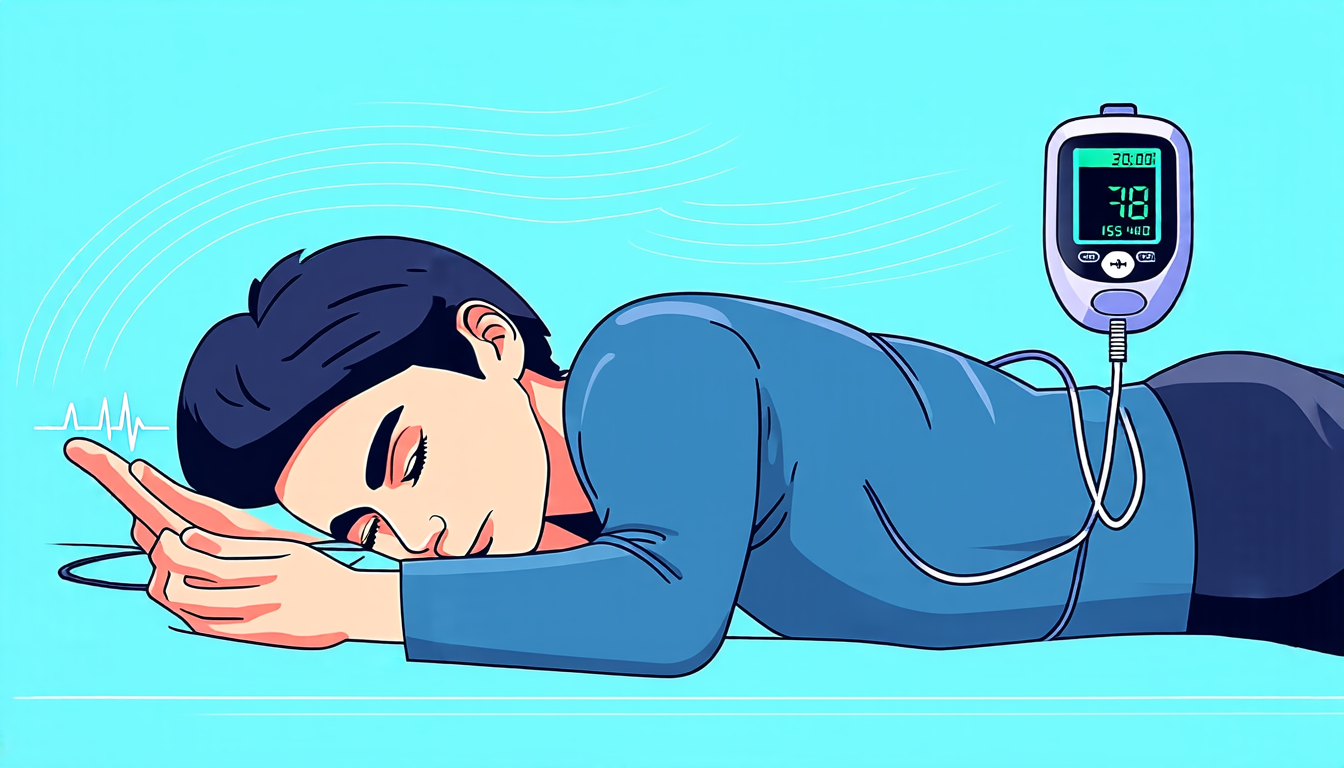
Researchers have been exploring alternative methods for detecting sleep apnea, such as using radar technology to measure chest movements while you sleep. Now, scientists have developed a new system that combines millimeter-wave radar with pulse oximetry, a non-invasive technique that measures oxygen levels in the blood.
The team used data from over 800 hours of overnight recordings from more than 100 subjects to develop their algorithm. The radar device was placed near the sleeper’s bed, and the pulse oximeter was attached to their finger. By analyzing the chest movements and oxygen levels, the system was able to detect sleep apnea events with high accuracy.
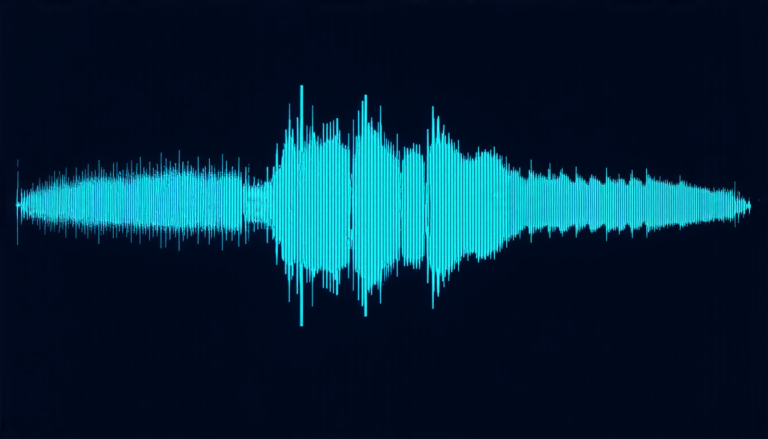
The researchers used a type of artificial intelligence called deep learning to train their algorithm. This involved feeding the data into a computer program that learned patterns in the radar signals and pulse oximetry readings associated with sleep apnea. The more data the program received, the better it became at distinguishing between normal breathing and apnea events.
The results were impressive. The system accurately detected sleep apnea events 90% of the time, even when the subjects had varying levels of oxygen saturation in their blood. This is a significant improvement over traditional methods, which often rely on manual scoring by technicians.
One of the key advantages of this new system is its non-invasive nature. No longer do patients need to be hooked up to machines or undergo expensive and time-consuming tests. The radar device is small enough to fit in a bedroom, making it easy to use at home.
The implications are significant. With this technology, doctors could diagnose sleep apnea more easily and accurately, leading to earlier treatment and better management of the condition. Patients would benefit from improved sleep quality, reduced fatigue, and a lower risk of related health problems like heart disease and stroke.
The study’s authors hope that their system will become a standard tool in sleep medicine. They’re already working on refining the technology and exploring its potential applications in other fields, such as monitoring patients with chronic conditions or detecting respiratory distress in infants.
Cite this article: “Non-Invasive Radar System Accurately Detects Sleep Apnea”, The Science Archive, 2025.
Sleep Apnea, Radar Technology, Pulse Oximetry, Artificial Intelligence, Deep Learning, Non-Invasive, Sleep Medicine, Diagnosis, Treatment, Healthcare.