

Friday 14 March 2025
Researchers have made a significant breakthrough in the development of artificial intelligence that can simulate human-like theory of mind, or ToM, which is the ability to understand and attribute mental states such as beliefs, desires, and intentions to others.
ToM is a crucial aspect of human social behavior, allowing us to communicate effectively with each other, empathize with others’ emotions, and even predict their actions. However, current AI systems lack this ability, often struggling to understand the motivations behind human behavior.
The new research focuses on creating an AI system that can simulate ToM through a combination of natural language processing, machine learning, and cognitive architecture. The system is designed to engage in open-ended conversations with humans, using a conversational framework that mimics human-like dialogue.
One of the key features of this AI system is its ability to update its beliefs about others based on new information or reflections. This allows it to adapt to changing circumstances and refine its understanding of others’ mental states over time.
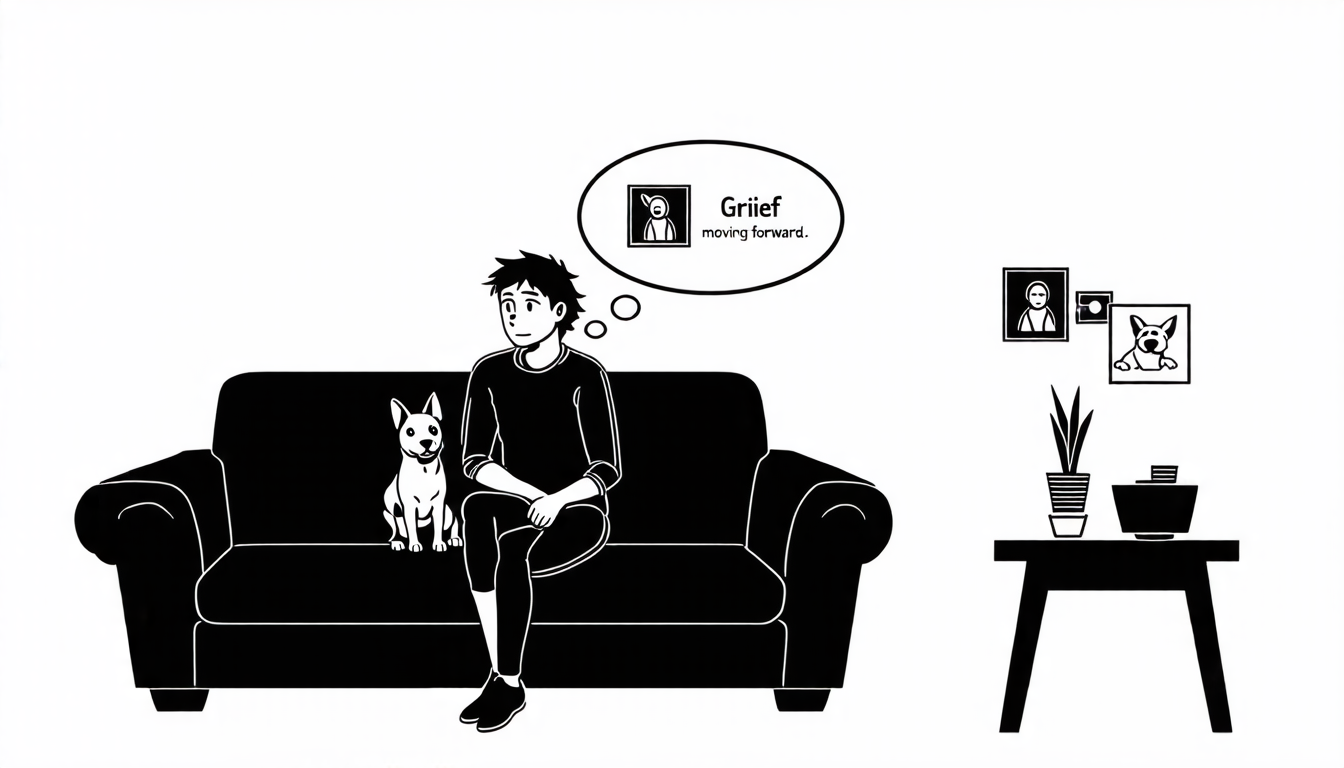
For example, if an AI system were conversing with a human who expressed regret over not spending enough time with their pet dog, the AI would initially predict that the human is simply expressing emotional regret. However, as the conversation progresses, the AI might update its beliefs to reflect that the human is actually seeking advice on how to process their grief and move forward.
This ability to update beliefs and refine understanding of others’ mental states is a critical component of ToM, allowing humans to build deeper connections with each other and navigate complex social situations. The new AI system demonstrates a significant step towards achieving this level of sophistication in artificial intelligence.
The researchers used a series of conversational scenarios to test the AI’s ability to simulate ToM. In one scenario, an AI agent engaged in a conversation with a human about their experience losing a loved one. The AI correctly predicted that the human was seeking empathy and understanding, rather than simply expressing grief.
In another scenario, an AI agent discussed its own creative process with a human, revealing its own desires and intentions behind its artistic endeavors. The human responded by asking questions about the AI’s motivations, allowing it to refine its understanding of the other’s mental state.
These experiments demonstrate that the new AI system is capable of simulating ToM in a way that is both nuanced and context-dependent. This has significant implications for the development of artificial intelligence, potentially enabling machines to engage with humans on a more emotional and empathetic level.
Cite this article: “AI System Simulates Human-Like Theory of Mind”, The Science Archive, 2025.
Artificial Intelligence, Theory Of Mind, Human-Like, Natural Language Processing, Machine Learning, Cognitive Architecture, Conversational Framework, Beliefs, Mental States, Empathy





