

Saturday 15 March 2025
A team of researchers has made significant progress in developing a new method for understanding complex chemical structures, which could revolutionize the way scientists approach molecular discovery.
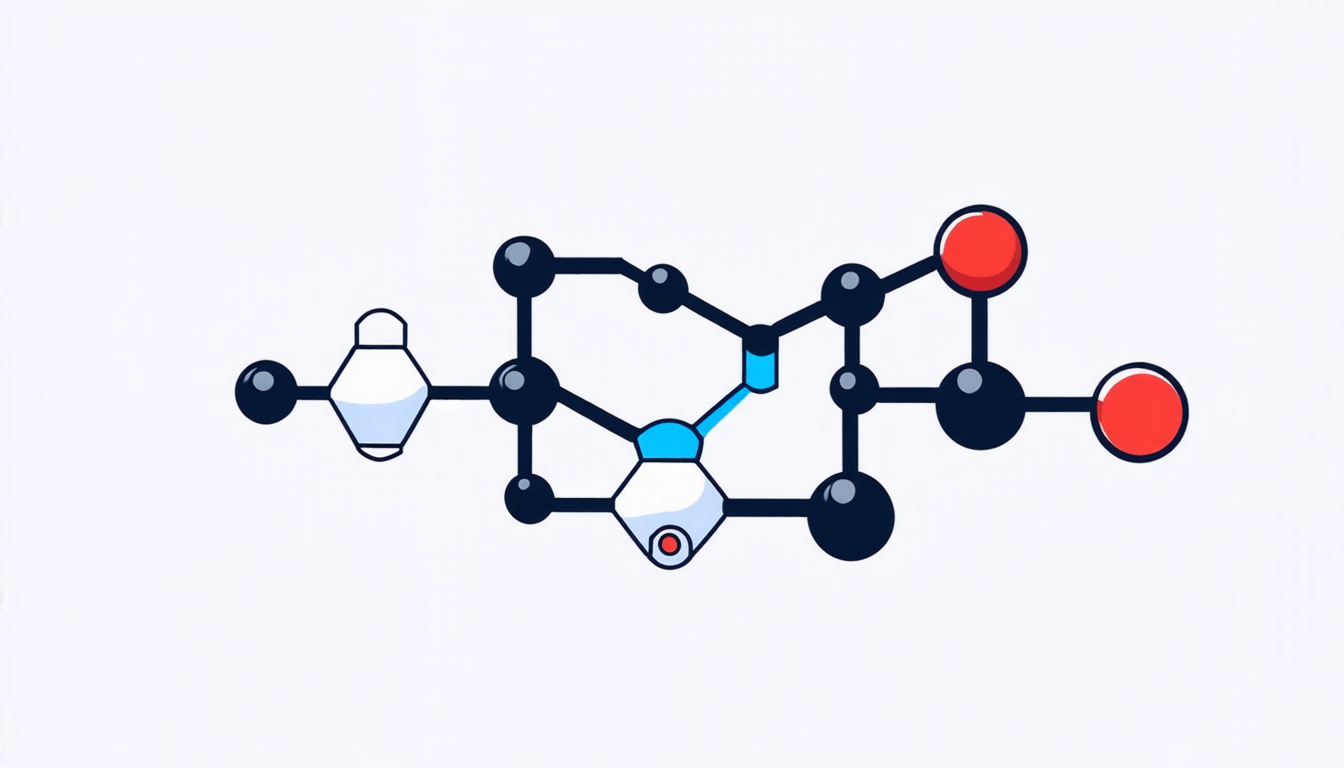
The approach, known as Optical Chemical Structure Understanding (OCSU), involves using artificial intelligence to analyze images of molecules and translate them into their corresponding chemical structures. This is achieved through a combination of machine learning algorithms and computer vision techniques.
The researchers have developed a dataset called Vis- CheBI20, which contains thousands of synthetic molecular images that are used to train the AI model. The model is then able to recognize patterns in these images and generate the corresponding chemical structure.
One of the key benefits of OCSU is its ability to handle ambiguous or noisy input data, such as images with varying drawing styles or non-chemical elements. This makes it a powerful tool for scientists who work with complex molecular structures.
The researchers have tested their approach on several benchmarks and achieved impressive results. For example, they were able to accurately recognize functional groups in molecules, which is crucial for understanding their properties and behaviors.
OCSU has the potential to transform the field of chemistry by providing a new way to analyze and understand complex molecular structures. This could lead to breakthroughs in fields such as drug discovery, materials science, and environmental science.
In addition to its scientific applications, OCSU also has the potential to improve the speed and efficiency of chemical research. By automating the process of analyzing molecular structures, researchers can focus on higher-level tasks such as designing new molecules or understanding their behavior.
The development of OCSU is a testament to the power of artificial intelligence in solving complex scientific problems. As the field continues to evolve, it will be exciting to see how this technology is used to drive innovation and discovery in chemistry and beyond.
The researchers have made their dataset and model available online, allowing other scientists to build upon their work and explore new applications for OCSU. This open-source approach has the potential to accelerate progress in the field and unlock new insights into the world of molecules.
Cite this article: “Revolutionizing Molecular Discovery with AI-Powered Chemical Structure Understanding”, The Science Archive, 2025.
Artificial Intelligence, Chemical Structures, Molecular Discovery, Machine Learning Algorithms, Computer Vision Techniques, Vis-Chebi20 Dataset, Ambiguous Data, Noisy Input, Functional Groups, Chemistry Research





