

Saturday 15 March 2025
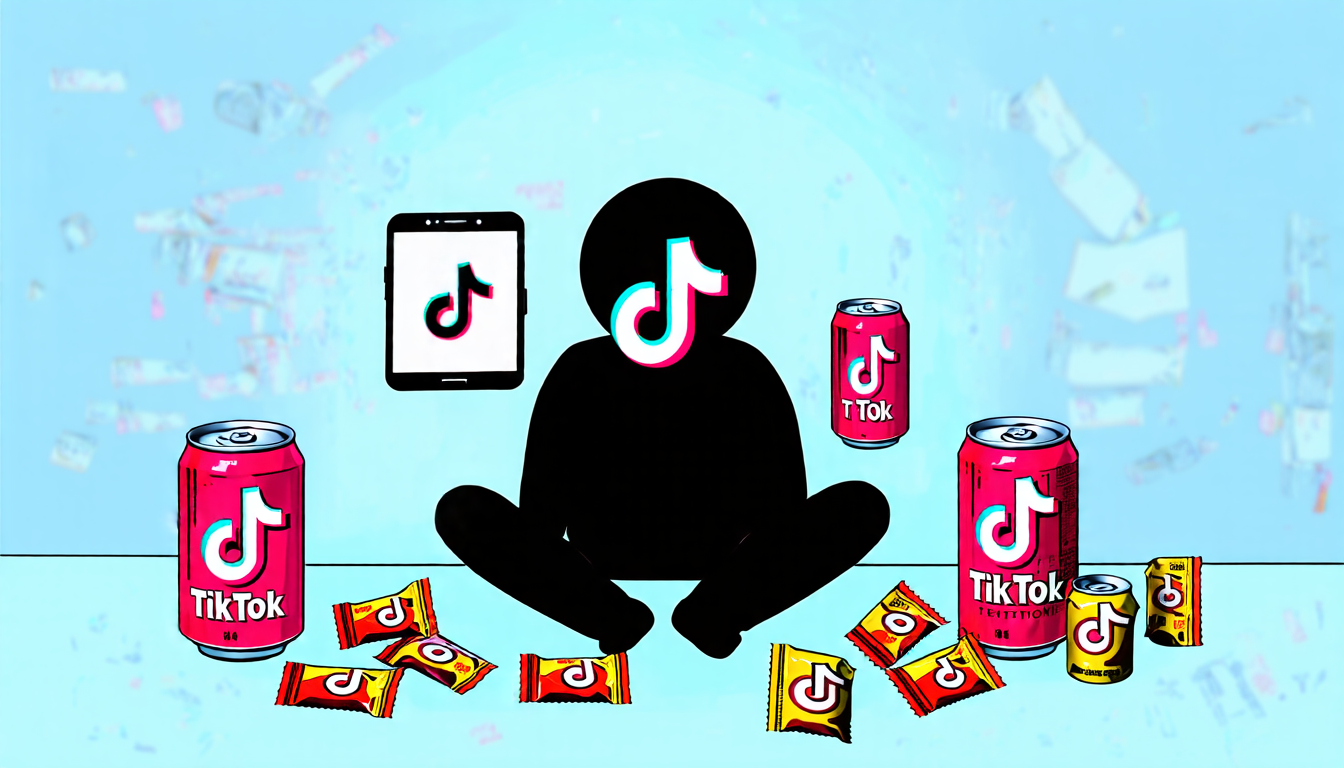
Scientists have been studying the addictive nature of social media platforms, and a recent paper sheds new light on how these platforms can manipulate our behavior.
The research focused on TikTok, a short-form video-sharing app that has become incredibly popular among young people. The scientists surveyed over 1,500 users and analyzed their data to identify patterns in their usage habits. They found that users who were more likely to be addicted to the platform spent more time watching videos, returned to the app throughout the day, and used it more at night.
The researchers also looked at how different features of the app might contribute to addiction. They found that certain aspects of TikTok’s algorithmic recommendation system, such as its ability to tailor content to individual users’ interests, can increase engagement and make users feel like they need to keep watching.
One of the most striking findings was that even people who don’t consider themselves addicted to TikTok are still spending a significant amount of time on the app. The researchers found that the average user spends around an hour and a half per day on TikTok, which is more than double the amount of time spent on other social media platforms like Instagram.
The study also highlighted the potential risks of addiction. For example, users who are addicted to TikTok may experience feelings of anxiety or FOMO (fear of missing out) if they’re not able to access the app or check their notifications frequently enough.
So what can be done to mitigate these risks? The researchers suggest that social media companies like TikTok could take steps to make their platforms less addictive, such as by limiting the amount of time users can spend on the app per day. They also recommend that parents and educators educate young people about responsible social media use and help them develop healthy online habits.
The study’s findings have important implications for our understanding of how social media affects our behavior and well-being. By studying TikTok addiction, scientists can gain a better understanding of how to promote healthier online habits and reduce the risks associated with excessive social media use.
The researchers analyzed data from over 1,500 users who completed surveys about their TikTok usage habits. They found that users who were more likely to be addicted to the platform spent more time watching videos, returned to the app throughout the day, and used it more at night.
One of the most striking findings was that even people who don’t consider themselves addicted to TikTok are still spending a significant amount of time on the app.
Cite this article: “The Addictive Nature of Social Media: A Study on TikTok”, The Science Archive, 2025.
Tiktok, Social Media, Addiction, Algorithmic Recommendation System, Engagement, Anxiety, Fomo, Online Habits, Well-Being, Excessive Use





