

Saturday 15 March 2025
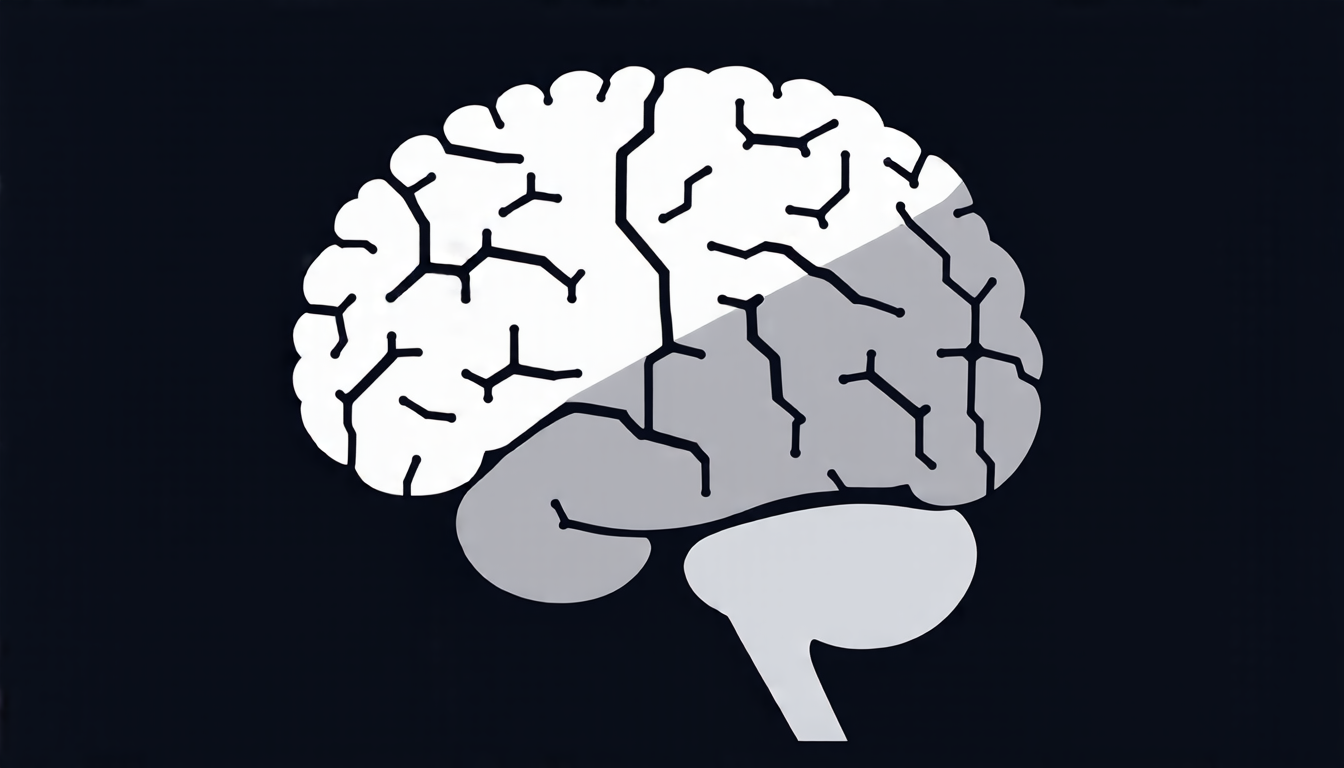
Scientists have made a significant breakthrough in understanding the human brain’s complex structure, thanks to a new technique that can accurately map its intricate patterns of tissue.
For years, researchers have been trying to decipher the brain’s microstructure, which is crucial for understanding how it processes information and controls our thoughts and movements. But this task has proven challenging due to the brain’s unique composition: it consists of billions of neurons, each with its own distinct shape and function, all packed tightly together.
To tackle this problem, a team of researchers developed a new method that uses magnetic resonance imaging (MRI) to create detailed maps of the brain’s tissue. This technique, called multi-compartment diffusion-relaxometry, is capable of revealing the brain’s intricate patterns of white matter tracts, grey matter regions, and cerebrospinal fluid.
The researchers used this method to study the brains of healthy individuals and found that it was able to accurately identify specific types of brain tissue. They were also able to use the technique to map the brain’s microstructure in greater detail than ever before, revealing intricate patterns of neural connections and pathways.
One of the key benefits of this new technique is its ability to distinguish between different types of white matter tracts, which are responsible for transmitting signals between neurons. This is important because damaged or diseased white matter tracts have been linked to a range of neurological disorders, including multiple sclerosis and Alzheimer’s disease.
The researchers believe that their technique could potentially be used to diagnose these conditions earlier and more accurately than current methods. They also hope that it will enable them to develop new treatments for brain disorders, by allowing them to target specific areas of the brain with precision.
In addition to its potential applications in medicine, this new technique could also have implications for our understanding of the human brain’s normal functioning. By mapping the brain’s microstructure in greater detail than ever before, researchers may be able to gain a better understanding of how it processes information and controls our thoughts and movements.
The study is an important step forward in the field of neuroimaging, and could potentially have far-reaching implications for our understanding of the human brain.
Cite this article: “Breakthrough Technique Reveals Brains Intricate Patterns”, The Science Archive, 2025.
Brain, Mri, Neuroscience, Neuroimaging, Diffusion-Relaxometry, White Matter Tracts, Grey Matter Regions, Cerebrospinal Fluid, Neurological Disorders, Alzheimer’S Disease





