

Saturday 15 March 2025
Scientists have made a significant breakthrough in understanding the dynamics of glass-forming liquids, which could lead to the development of new materials with unique properties.
Glass is often thought of as a rigid and unchanging solid, but at a molecular level, it’s actually a complex mixture of molecules that are constantly moving and interacting. In fact, many common materials like windows, bottles, and even some plastics can exhibit glass-like behavior when cooled quickly enough to prevent crystallization.
However, despite its widespread use, the exact mechanism behind glass formation remains poorly understood. This is because glass-forming liquids, which are the precursors to glass, are notoriously difficult to study using traditional experimental methods.
To get around this problem, researchers have turned to computer simulations to gain insights into the behavior of these complex systems. By modeling the interactions between individual molecules at an atomic scale, scientists can recreate the dynamics of glass formation and test hypotheses about how it occurs.
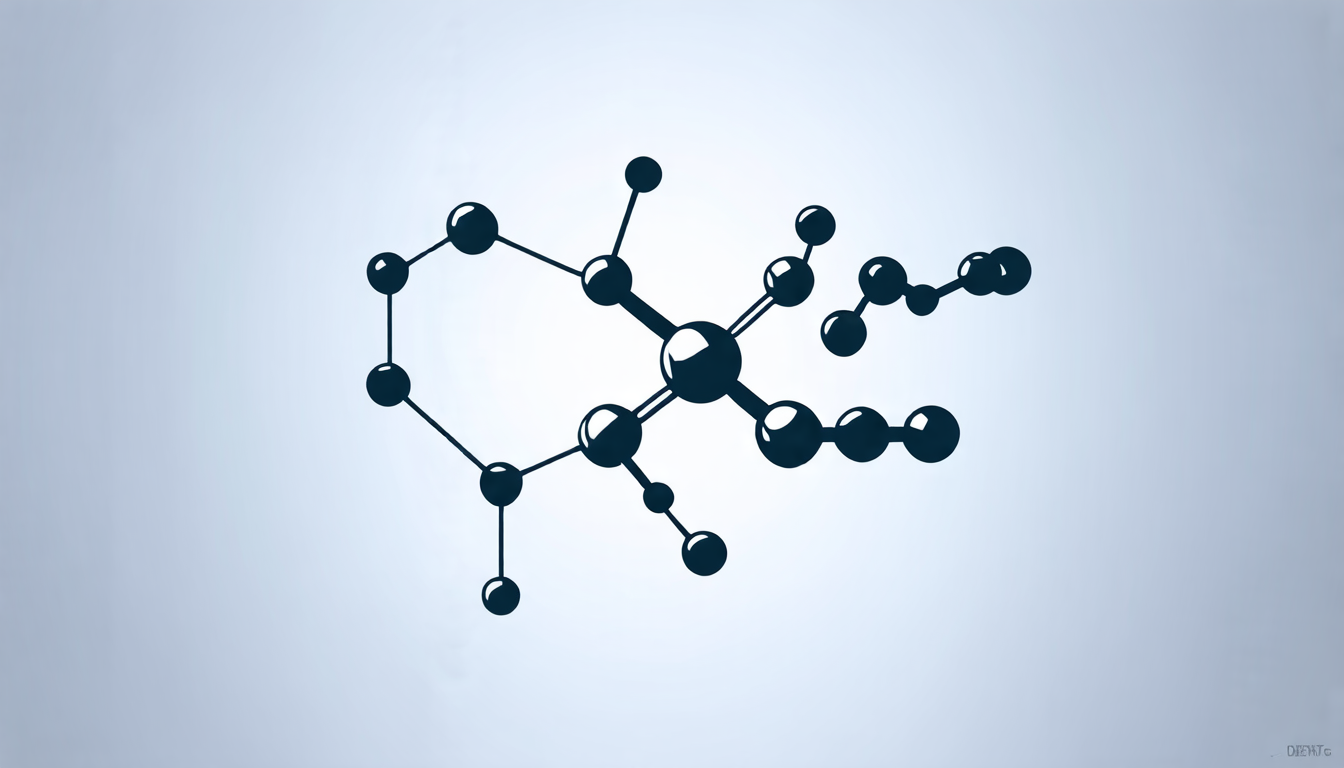
In a recent study, researchers used advanced molecular dynamics simulations to investigate the relaxation processes in a series of perylene derivatives, which are a class of organic compounds known for their ability to form glasses. By analyzing the behavior of these molecules over time, the team was able to identify three distinct relaxation processes that occur as the material cools.
The first process involves the rapid movement of individual atoms and molecules, which is characteristic of liquids. As the material continues to cool, this motion slows down, giving way to a second process in which larger clusters of molecules begin to form and move more slowly. Finally, at very low temperatures, the third process takes over, involving the cooperative reorientation of entire molecules.
These findings have important implications for our understanding of glass formation and could potentially lead to the development of new materials with tailored properties. For example, by designing molecules that exhibit specific relaxation processes, scientists may be able to create glasses with unique optical or electrical properties.
The study also highlights the power of computer simulations in advancing our knowledge of complex systems like glass-forming liquids. By providing a window into the atomic-scale behavior of these materials, simulations can help researchers identify key factors that influence glass formation and develop new strategies for designing and optimizing glass-like materials.
In the future, scientists may use this approach to study other complex systems, such as biological molecules or soft matter, which could have significant implications for fields like medicine, energy, and materials science.
Cite this article: “Unraveling the Mysteries of Glass Formation Through Computer Simulations”, The Science Archive, 2025.
Glass Formation, Molecular Dynamics Simulations, Relaxation Processes, Perylene Derivatives, Organic Compounds, Glass-Like Behavior, Atomic Scale, Computer Simulations, Complex Systems, Materials Science





