
Sunday 16 March 2025
In a bid to tackle the challenges of climate change, China is increasingly turning to nuclear energy as a source of clean power. But a recent study has cast doubt on whether this approach will actually help the country achieve its sustainability goals.
The research, published in the journal Nuclear Engineering and Technology, used advanced econometric models to examine the relationship between nuclear energy consumption and environmental performance in China. The results were striking: far from being a silver bullet for reducing carbon emissions, nuclear energy was found to have a negative impact on the circular economy – the concept of designing out waste and pollution by keeping resources in use.
The study’s authors argue that this is because nuclear energy produces long-lived radioactive waste, which contradicts the principles of waste reduction and recycling at the heart of the circular economy. Furthermore, they suggest that the high upfront costs and complex infrastructure requirements for nuclear power plants divert resources away from more effective low-carbon solutions like renewable energy.
China’s reliance on nuclear energy is indeed growing: in 2020, the country generated over 30% of its electricity from nuclear sources, up from just 2% a decade earlier. But the study suggests that this trend may not be as environmentally friendly as it seems.
The authors’ findings have significant implications for China’s plans to become carbon neutral by mid-century. The country has set ambitious targets to reduce its greenhouse gas emissions, but achieving these goals will require a radical transformation of its energy landscape.
In reality, China’s energy mix is still heavily reliant on fossil fuels, with coal and natural gas accounting for over 60% of its power generation. While nuclear energy may provide some benefits in terms of reducing emissions from electricity production, it is not enough to offset the overall environmental impact of the country’s energy sector.
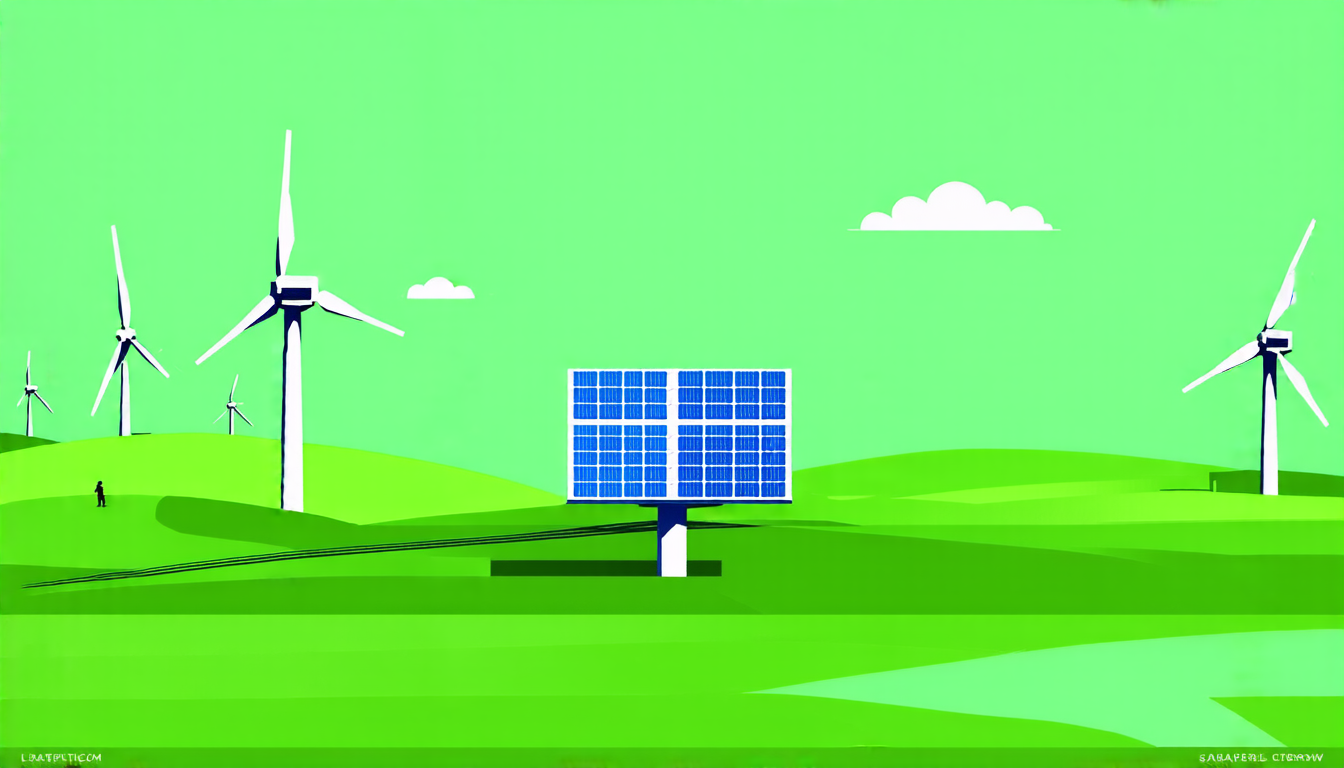
The study’s authors argue that a more effective approach would be to focus on developing renewable energy sources like solar and wind power, as well as improving energy efficiency and promoting sustainable consumption patterns. These strategies have the potential to make a much greater impact on reducing emissions and achieving sustainability goals.
For China, this means accelerating its transition towards a low-carbon economy by investing in clean technologies and implementing policies that support sustainable development. It also means rethinking its reliance on nuclear energy and exploring alternative solutions that align with its circular economy ambitions.
Ultimately, the study’s findings serve as a reminder that the path to sustainability is complex and multifaceted.
Cite this article: “Nuclear Energys Uncertain Role in Chinas Sustainability Efforts”, The Science Archive, 2025.
China, Nuclear Energy, Climate Change, Circular Economy, Carbon Emissions, Renewable Energy, Sustainable Development, Low-Carbon Economy, Energy Efficiency, Waste Reduction