
Wednesday 19 March 2025
Scientists have been studying the humble cumin seed for centuries, touting its numerous health benefits and culinary uses. But recent research has uncovered a surprising new aspect of this ancient spice: it’s a treasure trove of bioactive peptides.
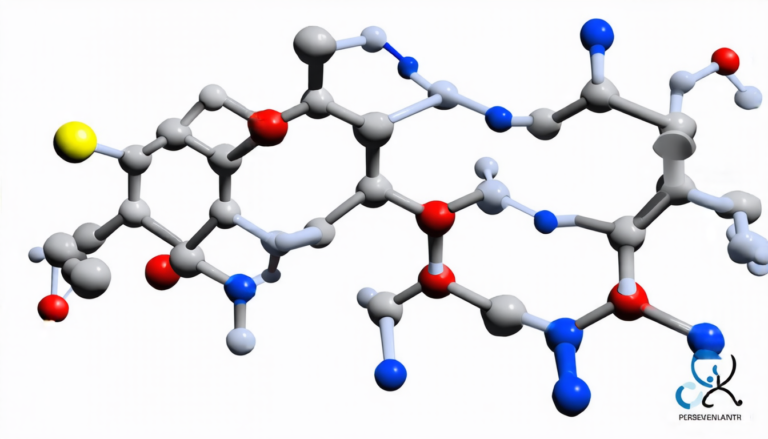
These tiny molecules, typically less than 50 amino acids in length, are found naturally in many foods and have been shown to possess a wide range of biological activities. In the case of cumin, researchers have isolated over 400 unique peptides from its seeds, each with its own distinct properties.
One of the most exciting discoveries is that these peptides exhibit antimicrobial activity against a variety of bacteria, including some notorious superbugs. This means that they could potentially be used to develop new antibiotics, which would be a major breakthrough in the fight against antibiotic-resistant infections.
But that’s not all – the cumin peptides also show antioxidant and anti-inflammatory properties, making them a potential treatment for a range of chronic diseases, from arthritis to diabetes. And because they’re naturally derived, they may be less likely to cause side effects than synthetic medications.
So how do these tiny molecules work their magic? It turns out that many of the peptides are capable of penetrating cell membranes and interacting with specific receptors on the surface of cells. This allows them to modulate cellular responses and influence a range of biological processes.
The researchers used a combination of computational modeling and experimental techniques to identify and characterize the peptides, including mass spectrometry and bioinformatics tools. They were able to predict the structure and function of each peptide using machine learning algorithms, which allowed them to quickly identify the most promising candidates for further study.
One of the most intriguing findings is that many of the cumin peptides are capable of mimicking the effects of certain hormones and neurotransmitters in the body. This could potentially lead to the development of new therapies for a range of conditions, from hormonal imbalances to neurological disorders.
Of course, there’s still much work to be done before these peptides can be turned into practical treatments. But the potential is vast – and it’s all thanks to the humble cumin seed, which has been hiding its secrets in plain sight for centuries.
Cite this article: “Unlocking the Secrets of Cumin: A Treasure Trove of Bioactive Peptides”, The Science Archive, 2025.
Cumin, Bioactive Peptides, Antimicrobial, Antibiotic-Resistant Infections, Antioxidant, Anti-Inflammatory, Chronic Diseases, Cell Membranes, Hormones, Neurotransmitters.