
Wednesday 19 March 2025
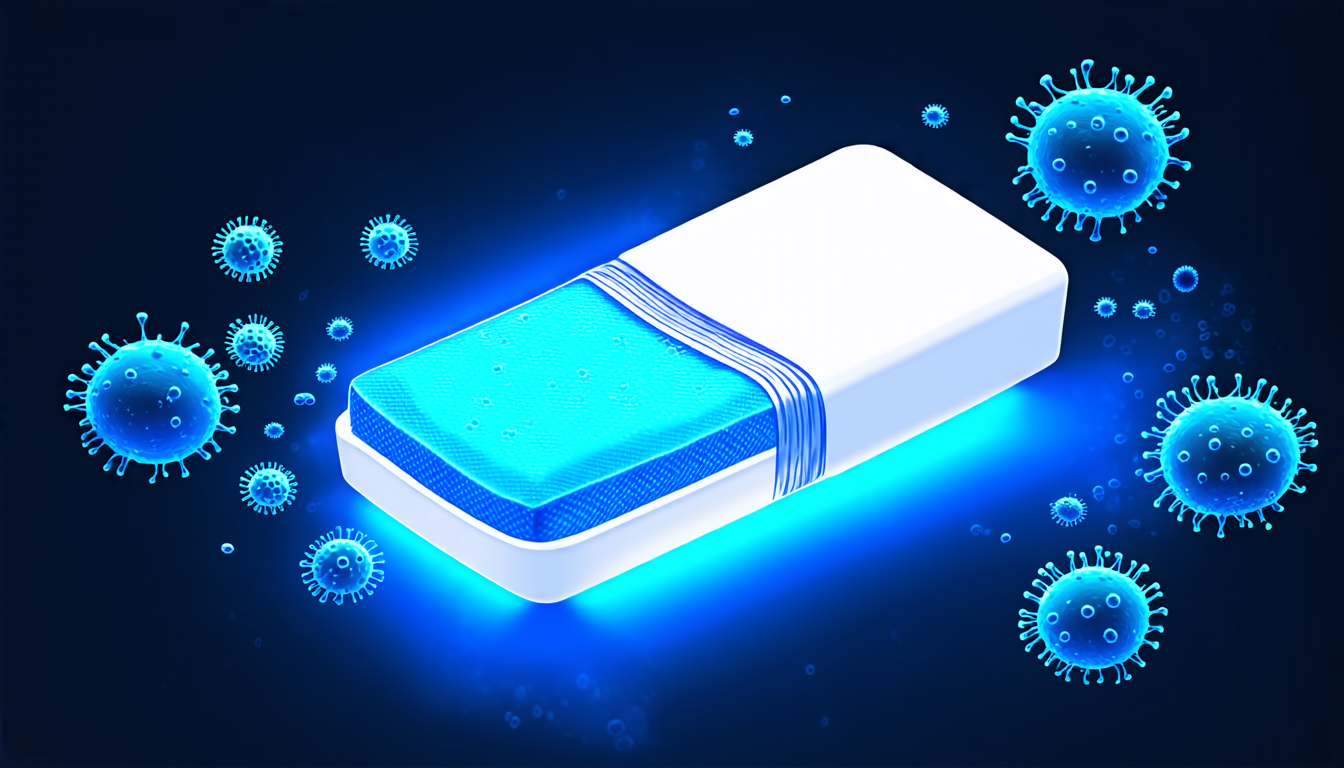
Scientists have developed a new class of materials that could revolutionize wound care and antibacterial therapy. These novel polymers, known as polyvinyl alcohol (PVA) derivatives, combine the benefits of photodynamic therapy with the durability and versatility of fiber-based dressings.
Photodynamic therapy, or PDT, uses light to activate a photosensitizing agent, which then destroys bacteria that come into contact with it. This approach has shown promise in treating chronic wounds, but its effectiveness is often limited by the need for precise control over light exposure and the risk of tissue damage.
The new PVA derivatives overcome these limitations by incorporating the photosensitizer toluidine blue (TB) directly into a fiber-based matrix. When exposed to ultraviolet (UV) light, this matrix releases TB in a controlled manner, allowing for targeted antibacterial activity without the need for complex equipment or precise dosing.
These fibers can be woven together to create flexible, breathable dressings that conform to the shape of the wound. The researchers demonstrated the effectiveness of their approach by testing the dressings against two common bacterial pathogens: Staphylococcus aureus and Pseudomonas aeruginosa.
The results were impressive: in lab tests, the TB-infused fibers reduced bacterial growth by up to 99% after just one hour of UV exposure. Moreover, the dressings showed no signs of toxicity or irritation when tested on human skin cells.
The potential benefits of these new materials are significant. By combining the antimicrobial properties of PDT with the versatility of fiber-based dressings, clinicians may be able to develop more effective treatments for a wide range of wounds and infections.
In addition to wound care, the researchers suggest that their approach could also be used to create antibacterial coatings or textiles for medical devices and implants. The possibilities are vast, and it will be exciting to see how this technology is developed and applied in the future.
The development of these PVA derivatives represents a significant step forward in the fight against antibiotic-resistant infections. By leveraging the power of photodynamic therapy and fiber-based dressings, scientists may be able to create new treatments that are both effective and safe for patients.
Cite this article: “Revolutionary Wound Care Technology Combines Photodynamic Therapy with Fiber-Based Dressings”, The Science Archive, 2025.
Wound Care, Antibacterial Therapy, Photodynamic Therapy, Polyvinyl Alcohol Derivatives, Toluidine Blue, Fiber-Based Dressings, Uv Light, Bacterial Growth, Antimicrobial Properties, Antibiotic-Resistant Infections.