

Thursday 20 March 2025
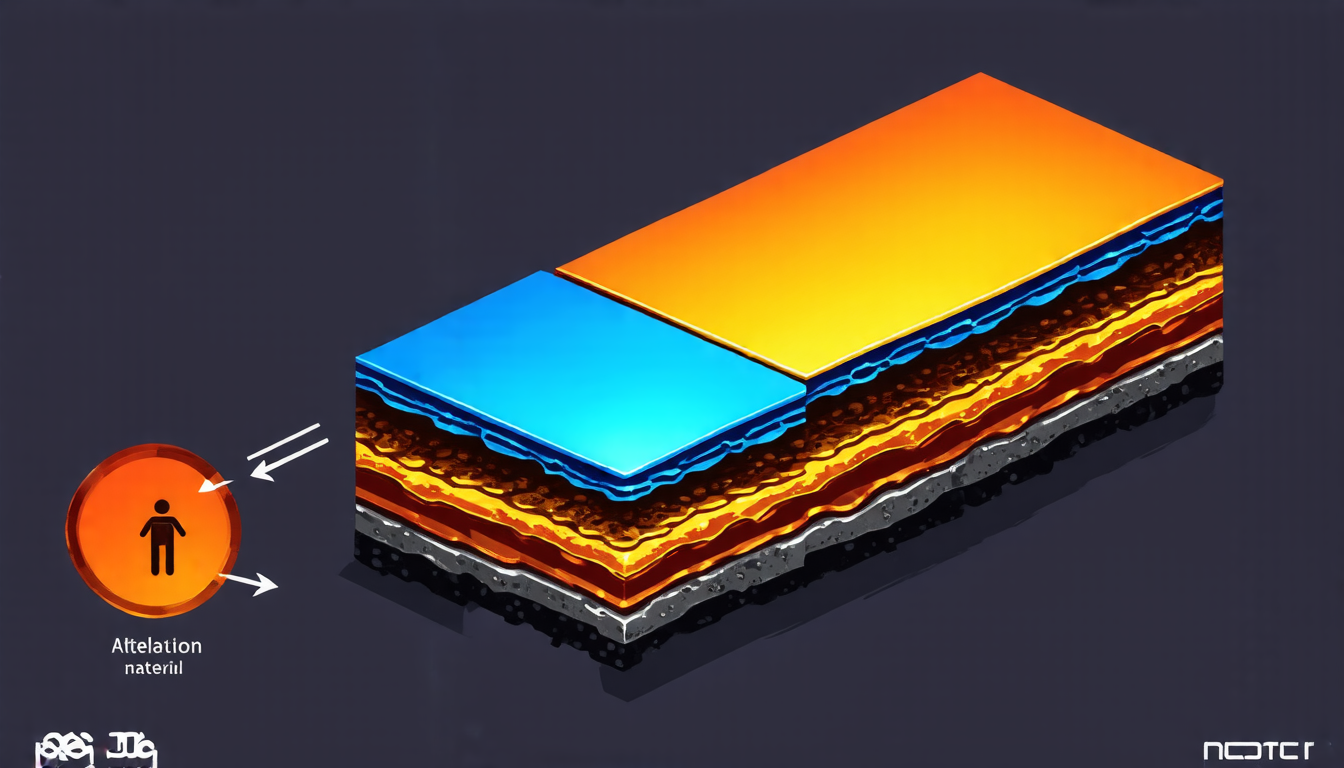
Reactive multilayers, a type of material that’s been gaining attention in recent years, have been found to be incredibly versatile and powerful. These unique materials are made up of alternating layers of different metals, which can react with each other at high speeds to produce incredible amounts of energy.
Researchers have been studying these materials for some time now, but a new study has shed light on just how much control they have over the reaction process. By tweaking the composition and thickness of the metal layers, scientists can fine-tune the speed and temperature of the reaction, making them ideal for a wide range of applications.
One of the most exciting aspects of reactive multilayers is their potential use in energy storage systems. Traditional batteries rely on chemical reactions to store energy, but these materials could provide a more efficient and sustainable alternative. By harnessing the power of these reactions, scientists hope to create new types of batteries that are faster, lighter, and more powerful.
But reactive multilayers aren’t just limited to energy storage. They also have the potential to be used in advanced manufacturing processes, such as 3D printing and welding. These materials could allow for the creation of complex structures and devices that would be impossible with traditional materials.
In order to understand how these materials work, scientists used a combination of experiments and computer simulations. By studying the way the metal layers react with each other, researchers were able to identify the key factors that influence the reaction process. This knowledge will be crucial in developing new applications for reactive multilayers.
One of the most surprising findings from the study was just how sensitive these materials are to changes in their composition and structure. Even small variations can have a significant impact on the reaction speed and temperature, making it possible to fine-tune the material’s properties.
The potential uses for reactive multilayers are vast and varied, but one of the most exciting areas of research is in the development of new types of sensors. These materials could be used to create highly sensitive detectors that can pick up on even the smallest changes in their environment.
Overall, this study has opened up a whole new world of possibilities for reactive multilayers. By understanding how these materials work and how they can be controlled, scientists are one step closer to harnessing their incredible potential.
Cite this article: “Unlocking the Power of Reactive Multilayers”, The Science Archive, 2025.
Reactive Multilayers, Materials Science, Energy Storage, Batteries, Advanced Manufacturing, 3D Printing, Welding, Sensors, Computer Simulations, Reaction Process





