

Thursday 20 March 2025
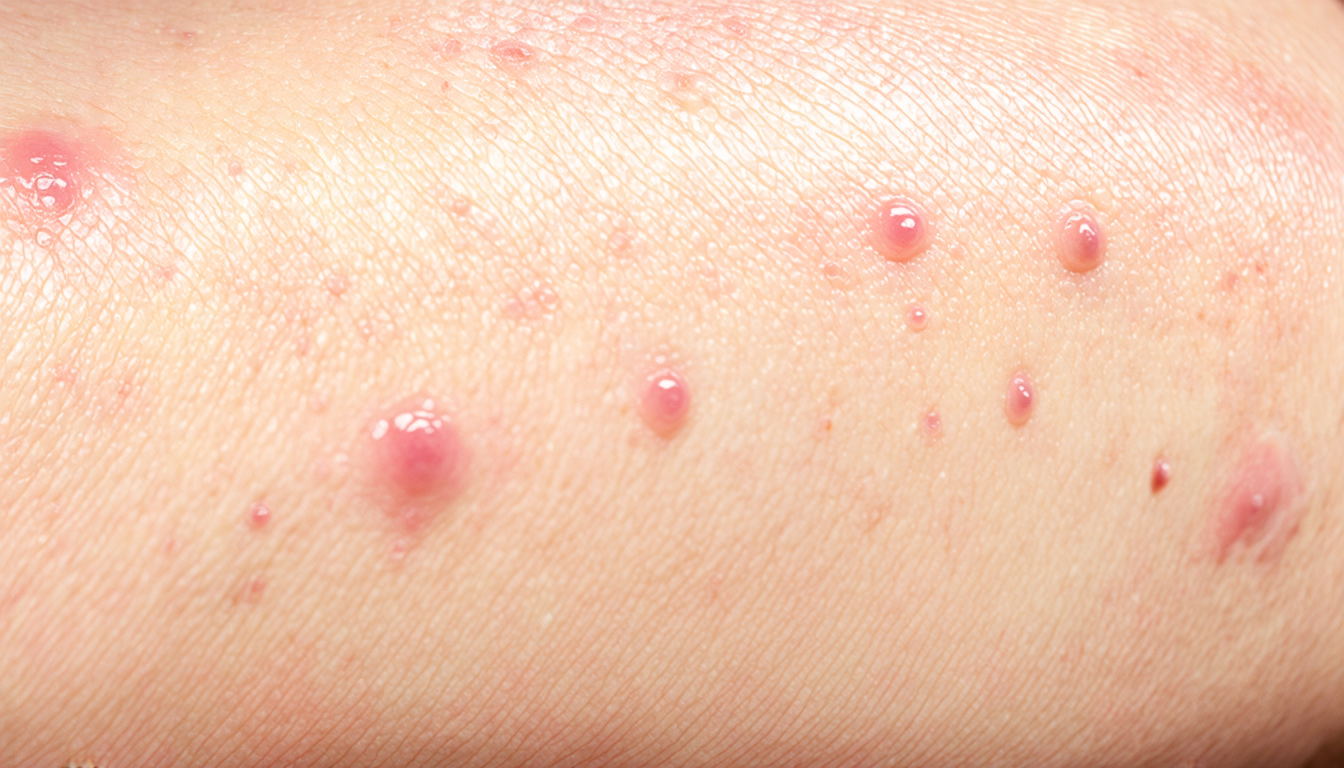
Artificial intelligence has long been touted as a game-changer in the field of medicine, particularly when it comes to diagnosing skin conditions. A new study has shed light on the limitations of AI-powered dermatology models, highlighting the need for more robust and transparent methodology.
Researchers have developed a comprehensive framework for evaluating deep learning-based skin disease classification models. The framework includes guidelines for data preparation, preprocessing, model development, evaluation, and visualization. By following these recommendations, scientists hope to improve the accuracy and reliability of AI-driven diagnoses in dermatology.
The study analyzed current methodological practices in skin disease classification research, revealing inconsistencies in data preparation, augmentation strategies, and performance reporting. The researchers identified concerning patterns, including pre-split data augmentation and validation-based reporting, which could lead to overestimated performance metrics.
To address these issues, the team proposed a dual contribution: a systematic analysis of current methodological practices and a comprehensive training and evaluation framework. The framework utilizes a vision transformer model, known as DINOv2- Large, across three benchmark datasets.
The results demonstrate the model’s performance in skin disease classification, achieving macro-averaged F1-scores of 0.85 on the HAM10000 dataset, 0.71 on DermNet, and 0.84 on ISIC Atlas. The team also conducted a detailed analysis of attention maps, revealing critical patterns in the model’s decision-making process.
However, the study also highlights the model’s vulnerabilities, particularly with atypical cases and composite images. Notably, high- confidence misclassifications were identified, often focusing on non-diagnostic features. These findings underscore the urgent need for standardized evaluation protocols and careful consideration of implementation strategies in clinical settings.
The proposed framework aims to promote reproducibility and standardization in dermatological image classification research. The authors emphasize the importance of rigorous data preparation, systematic error analysis, and specialized protocols for different image types.
As AI continues to transform the medical landscape, it is essential that researchers prioritize transparency, robustness, and reliability in their methods. By following these guidelines, scientists can ensure that AI-driven diagnoses are accurate, effective, and safe for patients.
Cite this article: “Limitations of AI-Powered Dermatology Models Highlight Need for Standardization and Transparency”, The Science Archive, 2025.
Artificial Intelligence, Dermatology, Skin Disease Classification, Deep Learning, Data Preparation, Preprocessing, Model Development, Evaluation, Visualization, Medical Imaging, Healthcare.





