

Thursday 20 March 2025
As the world continues its transition towards a low-carbon future, the role of electric vehicles (EVs) in reducing greenhouse gas emissions is becoming increasingly important. A recent study published in Energy Policy has shed light on the potential for EVs to play a crucial part in this effort, but with some surprising caveats.
The study, which analyzed data from 2025 to 2050, found that the widespread adoption of EVs could lead to significant reductions in carbon emissions. However, it also highlighted the need for careful planning and infrastructure development to ensure that the transition is successful.
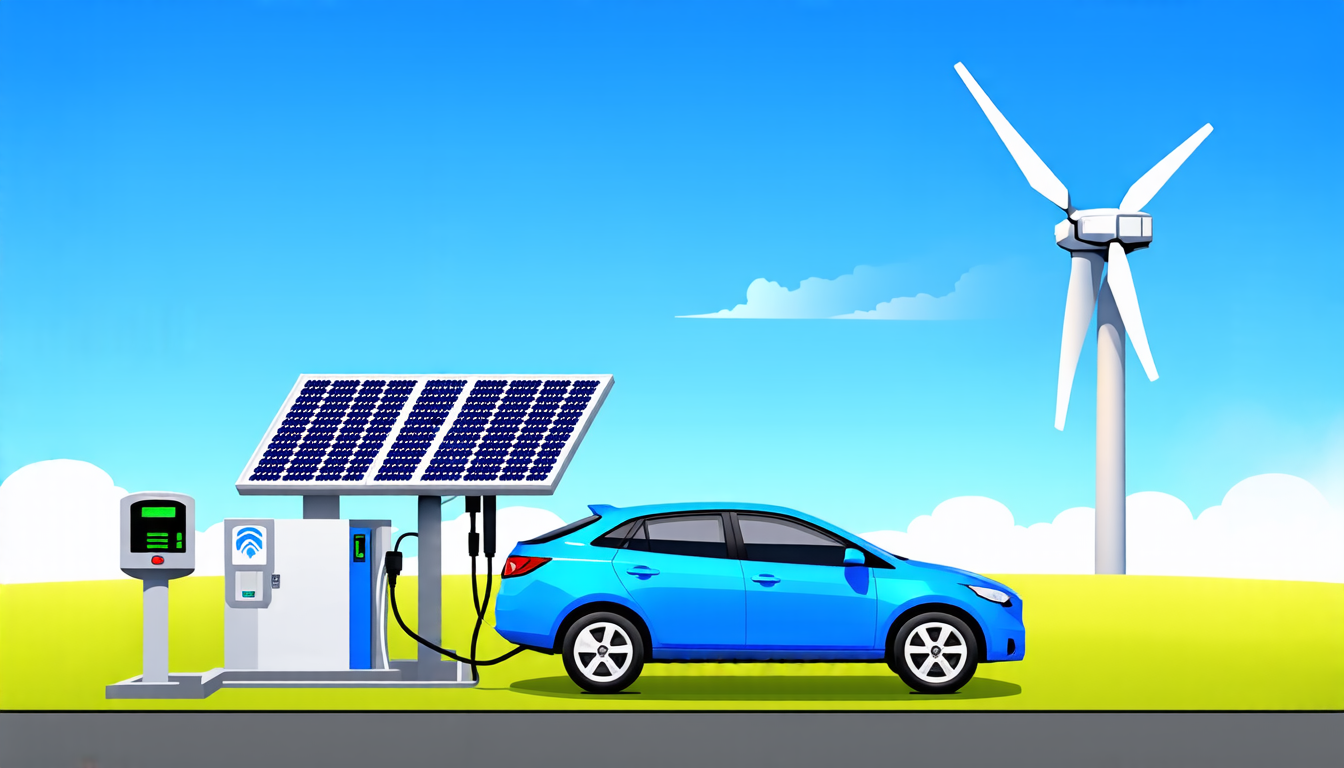
One of the key findings was that the increased demand for electricity generated by EV charging would require significant investments in renewable energy sources. The study found that a rapid expansion of solar and wind power would be necessary to meet the growing demand, which could lead to cost savings and reduced emissions over time.
Another important consideration was the impact of vehicle-to-grid (V2G) technology on the electricity distribution grid. V2G allows EVs to act as energy storage devices, feeding excess energy back into the grid when not in use. The study found that widespread adoption of V2G could reduce peak demand on the grid by up to 20%, leading to cost savings and improved grid resilience.
However, the study also identified some potential challenges associated with the transition to EVs. For example, it highlighted the need for significant investments in charging infrastructure, particularly in rural areas where access to public charging points may be limited.
The study’s authors also noted that the increased demand for electricity generated by EV charging could lead to strain on the grid during peak periods, potentially causing outages and brownouts. To mitigate this risk, they recommended the development of smart grids that can adapt to changing energy demands in real-time.
Overall, the study provides a nuanced view of the potential role of EVs in reducing carbon emissions, highlighting both the opportunities and challenges associated with their widespread adoption. As the world continues its transition towards a low-carbon future, it will be important for policymakers and industry leaders to carefully consider these findings and develop strategies that balance the need for reduced emissions with the need for reliable and efficient energy systems.
The study’s results have significant implications for policymakers, automakers, and energy companies alike. As governments set ambitious targets for reducing carbon emissions, they will need to prioritize investments in renewable energy sources, charging infrastructure, and smart grid technology.
Cite this article: “Electric Vehicles Role in Reducing Carbon Emissions: Opportunities and Challenges”, The Science Archive, 2025.
Electric Vehicles, Greenhouse Gas Emissions, Low-Carbon Future, Renewable Energy Sources, Solar Power, Wind Power, Vehicle-To-Grid Technology, Charging Infrastructure, Smart Grids, Carbon Emissions Reduction





