

Thursday 20 March 2025
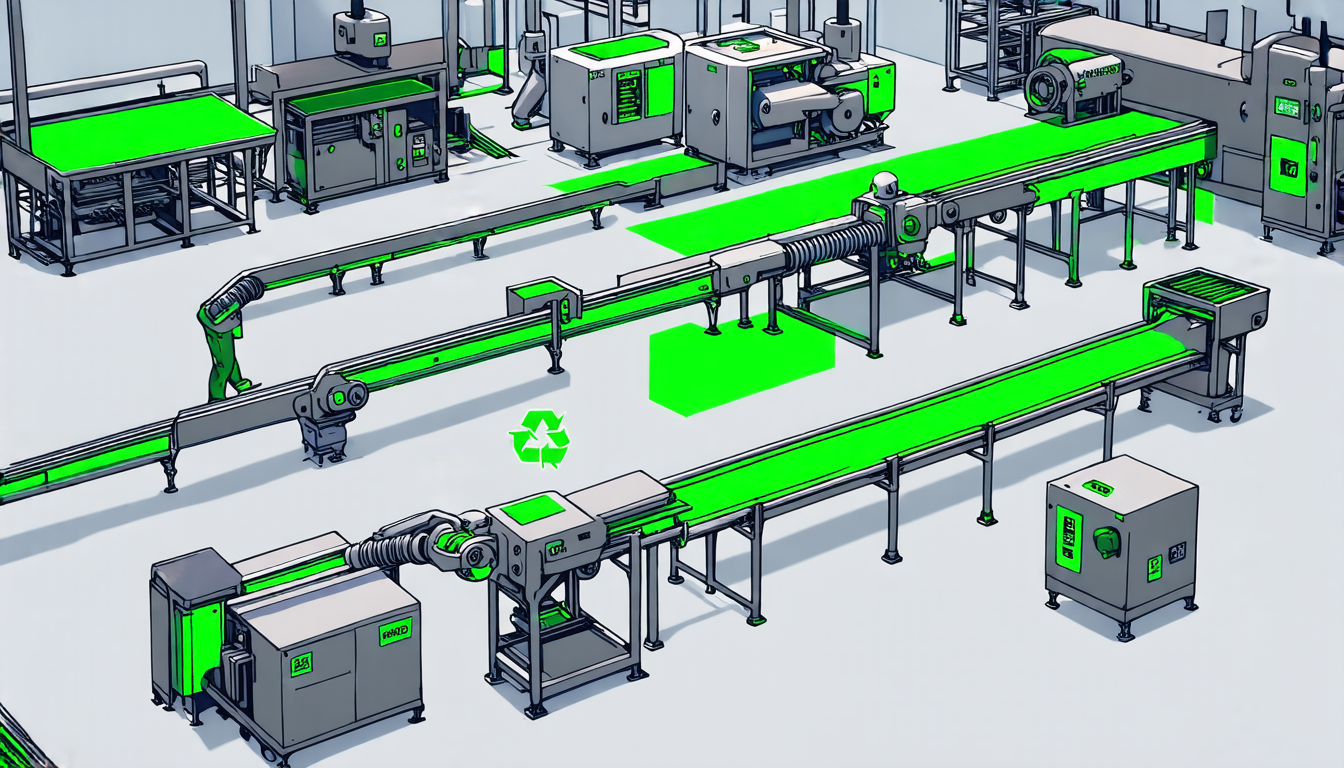
Researchers have made significant strides in developing an Internet of Things (IoT) framework that can optimize energy efficiency and resource utilization in manufacturing processes. The study, published in a recent scientific paper, demonstrates the potential of IoT-enabled smart manufacturing systems to improve operational sustainability in industries.
The proposed system integrates advanced sensors, real-time data analytics, and predictive maintenance to monitor and control various parameters such as energy consumption, machine performance, and material usage. By leveraging these technologies, the system can detect anomalies and optimize production processes in real-time, leading to significant reductions in energy waste and resource consumption.
One of the key findings of the study is that the IoT-enabled smart manufacturing system can reduce energy consumption by up to 18%. This is achieved by identifying idle periods and shutting down non-essential components, as well as optimizing machine operations to minimize energy usage. Additionally, the system’s predictive maintenance capabilities allow for proactive identification and repair of equipment issues, reducing downtime and increasing overall efficiency.
The study also highlights the potential of IoT-enabled smart manufacturing systems to improve machine uptime and reduce material waste. By monitoring machine performance in real-time and predicting potential failures, the system can schedule maintenance and repairs during downtime periods, minimizing production disruptions and reducing the risk of costly equipment failures. Furthermore, the system’s advanced analytics capabilities allow for precise tracking of material usage, enabling manufacturers to optimize inventory levels and reduce waste.
The implications of this research are significant, particularly in industries where energy efficiency and resource utilization are critical concerns. By implementing IoT-enabled smart manufacturing systems, manufacturers can not only reduce their environmental impact but also improve their bottom line through increased efficiency and reduced costs.
The study’s findings have important implications for the development of sustainable manufacturing practices. As industries continue to evolve and adopt new technologies, it is essential that they prioritize energy efficiency and resource utilization. The IoT-enabled smart manufacturing system demonstrated in this study provides a promising solution for achieving these goals, and its potential applications are vast.
In addition to its practical benefits, the research also has important theoretical implications. It highlights the need for more advanced analytics capabilities and predictive maintenance strategies in order to fully leverage the potential of IoT-enabled smart manufacturing systems. As industries continue to adopt these technologies, it will be essential to develop new methods for analyzing and interpreting the vast amounts of data generated by these systems.
Overall, this study demonstrates the significant potential of IoT-enabled smart manufacturing systems to improve energy efficiency and resource utilization in manufacturing processes.
Cite this article: “Optimizing Energy Efficiency and Resource Utilization in Manufacturing Processes with IoT-Enabled Smart Systems”, The Science Archive, 2025.
Iot, Smart Manufacturing, Energy Efficiency, Resource Utilization, Predictive Maintenance, Data Analytics, Machine Performance, Material Waste, Sustainable Manufacturing, Industrial Automation





