
Thursday 20 March 2025
The quest for a more effective anti-addiction treatment has been ongoing for decades, with scientists and researchers working tirelessly to develop new strategies to combat this pervasive global challenge. In recent years, artificial intelligence (AI) has emerged as a promising tool in this fight, with AI-powered systems showing great potential in identifying patterns and connections within vast amounts of data that can inform the development of more targeted and effective treatments.
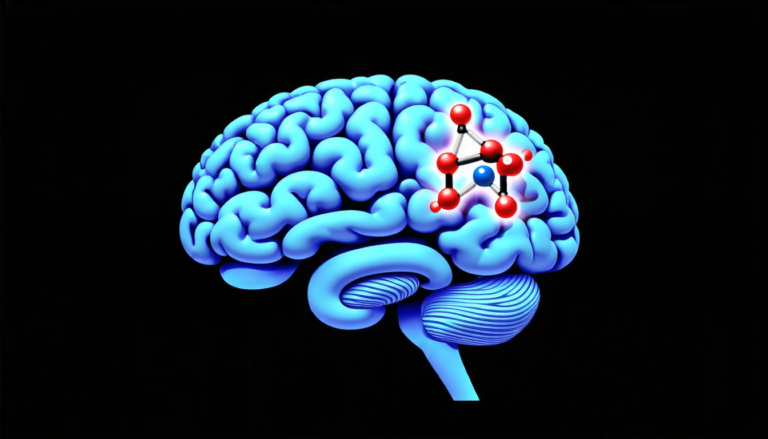
A newly published paper takes this idea to the next level by leveraging machine learning algorithms to analyze large-scale datasets and identify novel molecular targets for anti-addiction therapy. The researchers used a combination of computational methods, including machine learning and cheminformatics, to screen over 100 million compounds against addiction-related pathways in the brain.
The study’s findings suggest that AI-driven compound screening can significantly accelerate the discovery process, allowing scientists to quickly identify potential treatments that might have taken years or even decades to find using traditional methods. The researchers also demonstrated that their approach can be used to predict the efficacy of existing anti-addiction drugs, which could help clinicians make more informed treatment decisions.
One of the key advantages of this AI-powered approach is its ability to analyze complex biological systems and identify subtle patterns that might be missed by human researchers alone. By leveraging machine learning algorithms, scientists can quickly sift through vast amounts of data to pinpoint potential leads and prioritize further investigation.
The study’s results have significant implications for the development of new anti-addiction therapies, which are desperately needed given the ongoing opioid crisis and other addiction-related challenges. By accelerating the discovery process and identifying novel molecular targets, AI-driven compound screening could help pave the way for more effective treatments that can be tailored to individual patients’ needs.
The researchers also highlighted the potential for their approach to be applied to other complex diseases, such as cancer and neurodegenerative disorders. As the field of machine learning continues to evolve, it’s likely that we’ll see even more innovative applications of AI in medicine, from personalized treatment plans to predictive diagnostics.
While there’s still much work to be done, this study represents a significant step forward in our understanding of how AI can be used to combat addiction and other complex diseases. By harnessing the power of machine learning, scientists are closer than ever before to developing more effective treatments that can make a real difference in people’s lives.
Cite this article: “Artificial Intelligence Accelerates Discovery of Novel Anti-Addiction Therapies”, The Science Archive, 2025.
Artificial Intelligence, Anti-Addiction Treatment, Machine Learning, Compound Screening, Addiction-Related Pathways, Brain Research, Cheminformatics, Molecular Targets, Opioid Crisis, Personalized Medicine