

Friday 21 March 2025
A team of researchers has made a significant breakthrough in the field of medical imaging, developing a new artificial intelligence model that can accurately diagnose eosinophilic esophagitis (EoE), a chronic inflammatory disease of the esophagus. The condition is often misdiagnosed or underdiagnosed, leading to delays in treatment and potential long-term complications.
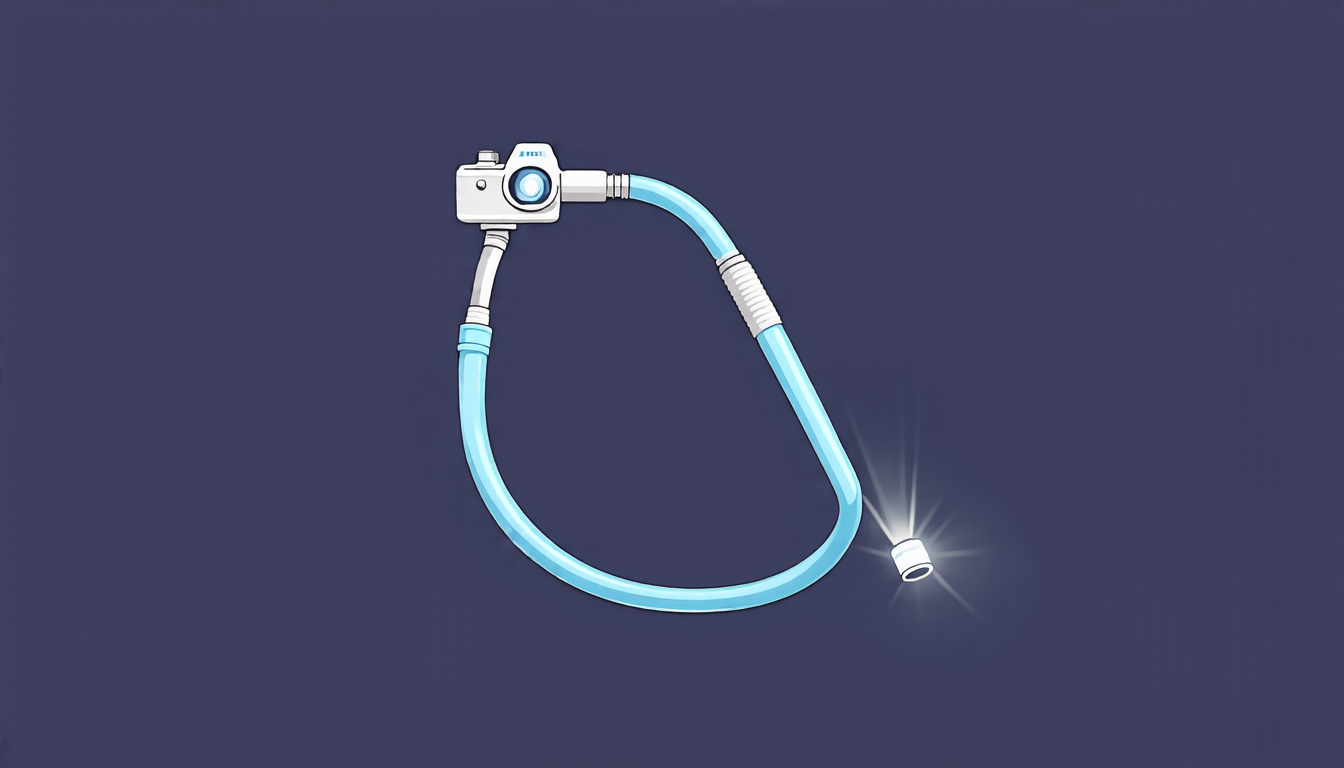
The new AI model uses a combination of machine learning algorithms and computer vision techniques to analyze images taken during endoscopic examinations of the esophagus. Endoscopy involves inserting a flexible tube with a camera and light on the end into the patient’s mouth and guiding it down the esophagus to examine the lining of the organ.
In the past, diagnosing EoE has relied heavily on visual inspection by experienced clinicians, which can be subjective and prone to errors. The new AI model aims to address this issue by providing an objective and accurate way to diagnose EoE.
The researchers trained their AI model using a dataset of over 7,000 images taken from patients with EoE, as well as from healthy individuals and those with other esophageal conditions. The model was able to identify patterns in the images that are characteristic of EoE, such as the presence of eosinophils, which are a type of white blood cell.
The AI model was tested on a separate set of images not used during training, and it achieved an impressive accuracy rate of over 90%. This suggests that the model is reliable and can be used to diagnose EoE with confidence.
The implications of this breakthrough are significant. With accurate diagnosis, patients with EoE can receive timely treatment, which may include medications or dietary changes. Early intervention can help to reduce symptoms and prevent complications such as esophageal strictures and food impaction.
Moreover, the AI model has the potential to be used in a variety of clinical settings, including primary care offices and community hospitals, where access to specialized expertise may be limited. This could help to improve healthcare outcomes for patients with EoE, particularly those living in rural or underserved areas.
The researchers are now working to refine their AI model and explore its potential applications beyond EoE diagnosis. They hope that their work will contribute to a future where artificial intelligence plays a key role in improving patient care and outcomes in the field of gastroenterology.
Cite this article: “Artificial Intelligence Model Accurately Diagnoses Eosinophilic Esophagitis”, The Science Archive, 2025.
Eosinophilic Esophagitis, Artificial Intelligence, Medical Imaging, Endoscopy, Machine Learning, Computer Vision, Chronic Inflammatory Disease, Diagnosis Accuracy, Gastroenterology, Healthcare Outcomes





