
Friday 21 March 2025
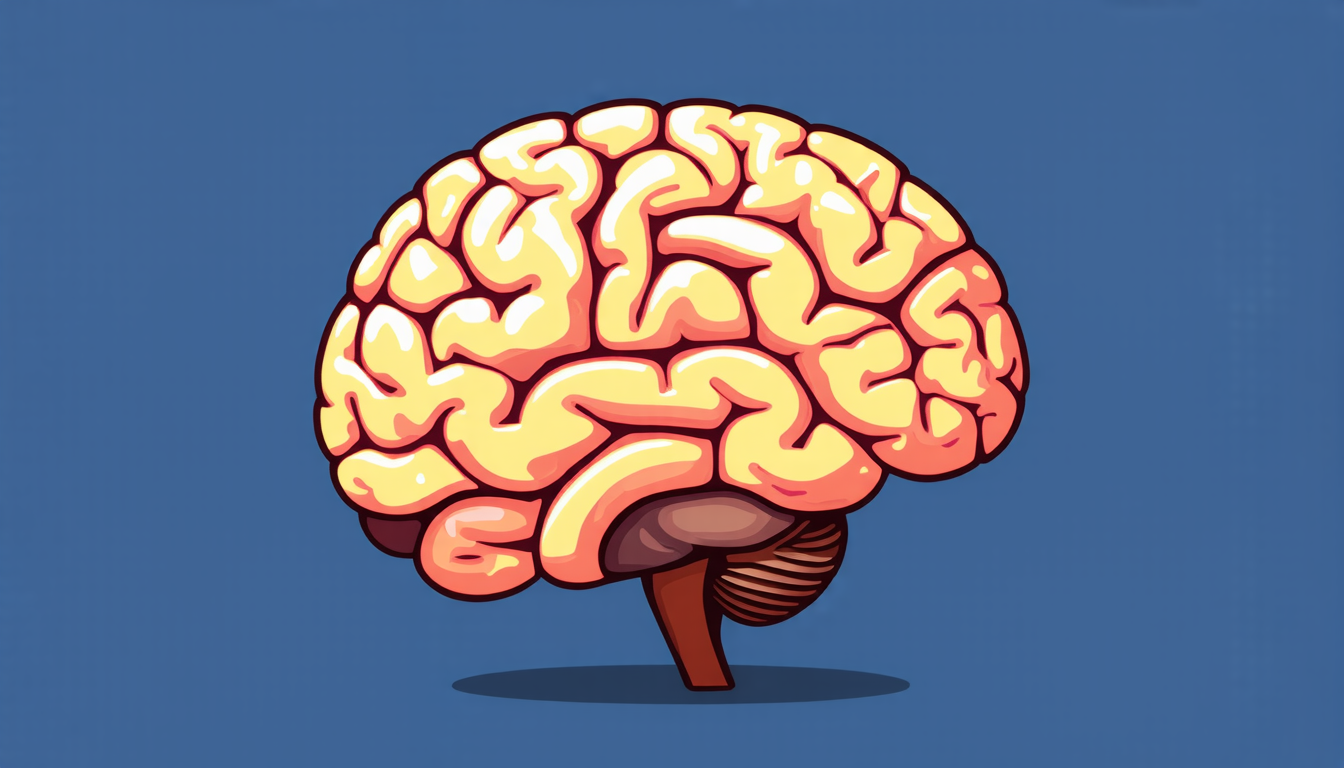
A new technique has been developed that uses brain scans to detect mild traumatic brain injuries (TBI) in individuals who may not show obvious symptoms of injury. Mild TBI, also known as concussions, is a common problem that can occur when the head is hit or shaken, often resulting from sports-related accidents or military combat.
Traditionally, diagnosing TBI has been challenging due to the lack of clear physical signs of injury. This has led to many cases going undetected, with individuals potentially suffering from long-term cognitive and emotional problems as a result. However, researchers have now developed a novel approach that uses magnetic resonance imaging (MRI) scans to identify subtle changes in brain activity that can indicate TBI.
The technique involves analyzing the brain’s electrical activity using functional magnetic resonance imaging (fMRI), which is capable of detecting even slight changes in blood flow and oxygenation levels. The scientists used this data to develop a statistical model that can identify patterns of abnormality in the brain activity, which are indicative of TBI.
To test the technique, researchers studied 55 individuals who had suffered mild TBIs, as well as 54 healthy controls. The results showed that the brain scans were able to accurately distinguish between those with and without TBI, even when there were no obvious physical signs of injury.
The implications of this research are significant, particularly in the context of sports and military medicine. Identifying individuals with mild TBIs early on could potentially prevent long-term cognitive and emotional problems from developing. Additionally, the technique could be used to monitor athletes and soldiers for TBI, allowing for earlier intervention and treatment if necessary.
While more research is needed to refine the technique and confirm its effectiveness in real-world settings, this development offers a promising new tool for diagnosing and managing mild TBI. As our understanding of brain function and injury continues to evolve, it’s likely that we’ll see even more innovative approaches emerge to help individuals recover from traumatic brain injuries.
Cite this article: “Detecting Mild Traumatic Brain Injuries with Brain Scans”, The Science Archive, 2025.
Traumatic Brain Injury, Mild Traumatic Brain Injury, Concussions, Magnetic Resonance Imaging, Functional Magnetic Resonance Imaging, Fmri, Brain Activity, Statistical Model, Sports Medicine, Military Medicine