

Friday 21 March 2025
A new study has shed light on the potential of deep learning algorithms to automate the extraction of phylogenetic traits from images of rove beetles. The research, published in a recent scientific paper, demonstrates that a simple binary mask-based model can outperform more complex approaches that incorporate texture and color information.
Phylogenetics is the study of evolutionary relationships between organisms, and traditionally relies on manual measurement and description of morphological traits. However, this process can be time-consuming and labor-intensive, particularly when dealing with large datasets or diverse taxonomic groups.
Deep learning algorithms have shown great promise in automating various tasks in biology, including species identification and behavioral analysis. But until now, there has been limited exploration of their potential for phylogenetic trait extraction.
The study focused on rove beetles, a group of insects known for their diverse morphology and extensive species richness. The researchers created a dataset of over 13,000 segmented dorsal images of rove beetles, along with an associated 11-depth phylogeny specifically designed for the study.
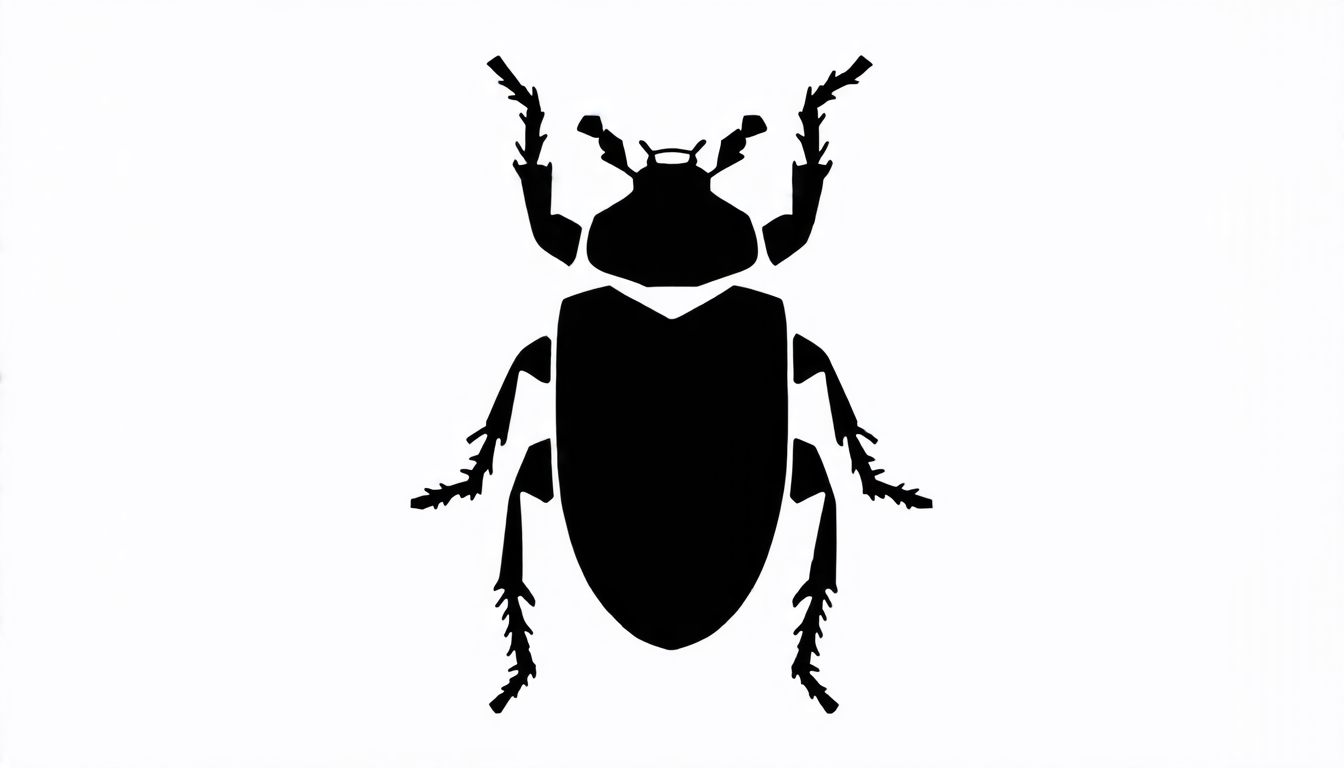
Three distinct morphological representations were compared: binary masks, Fourier descriptors, and full segmentations. Each representation was used to train deep learning models, which were then evaluated using a range of metrics to assess their performance in predicting phylogenetic relationships.
The results showed that the binary mask-based model achieved the highest scores, outperforming both Fourier descriptor- and segmentation-based approaches. This suggests that overall shape information may be more important for phylogenetic signal extraction than texture or color details.
The study’s findings have implications for the development of automated phylogenetic analysis tools. By leveraging deep learning algorithms to extract morphological traits from images, researchers may be able to accelerate and improve the integration of morphology into large-scale phylogenetic studies.
However, further investigation is needed to confirm the generalizability of these results across different taxonomic groups and to explore the potential for texture and color information to contribute to phylogenetic signal extraction. The study’s authors acknowledge that their findings may be specific to this particular dataset and taxon, and highlight the need for future research in this area.
Despite its limitations, the study demonstrates the potential of deep learning algorithms to automate phylogenetic trait extraction, and provides a valuable contribution to the development of more efficient and effective methods for phylogenetic analysis.
Cite this article: “Automating Phylogenetic Trait Extraction from Rove Beetle Images Using Deep Learning Algorithms”, The Science Archive, 2025.
Deep Learning, Phylogenetics, Rove Beetles, Morphology, Automated Analysis, Image Segmentation, Binary Masks, Fourier Descriptors, Species Identification, Evolutionary Relationships





