

Friday 21 March 2025
A team of scientists has made a significant breakthrough in understanding how genetic diversity evolves over time. By studying the spread of traits through populations, they’ve uncovered new insights into the complex interplay between genetics and environment.
At its core, this research explores how genetic information is passed down from one generation to the next. It’s a process that’s been studied extensively, but there are still many unanswered questions about how it all works. The key challenge is that genetic change can happen at different scales – from individual genes to entire populations.
To tackle this problem, the researchers developed a mathematical model that combines two important factors: genetics and ecology. They used this framework to simulate the spread of traits through populations over time, taking into account things like environmental conditions, population size, and genetic variation.
One of the most exciting findings is that the model can accurately predict how genetic diversity will evolve in response to changing environments. This has significant implications for our understanding of how species adapt to their surroundings.
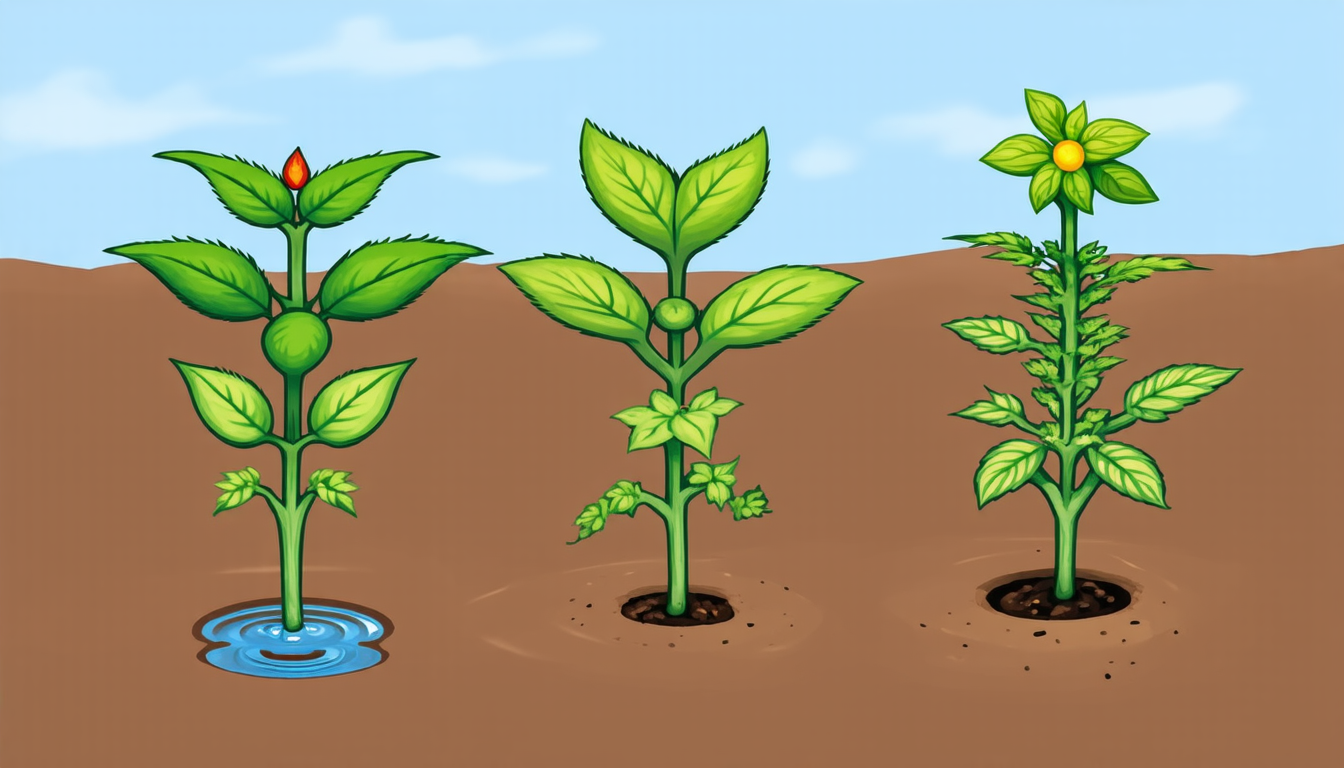
For example, let’s say a group of plants is growing in an area with limited water supply. The researchers’ model would predict that over time, the population will become more adapted to conserve water through changes in their genetic makeup. This could lead to new insights into how species can survive and thrive in challenging environments.
Another important discovery is that the model can capture the complexity of real-world populations, where individuals move between different areas or interact with each other in complex ways. This allows researchers to better understand how genetic information flows through populations over time.
The team’s work has significant implications for our understanding of evolutionary biology and ecology. By combining genetics and ecology, they’ve created a powerful tool for predicting how species will adapt to changing environments.
This research also opens up new avenues for studying the evolution of complex traits, such as disease resistance or behavioral adaptations. By using this model to simulate the spread of traits through populations, researchers can gain valuable insights into how these traits evolve over time.
As our understanding of genetics and ecology continues to grow, it’s likely that we’ll uncover even more surprising connections between these two fields. The research described here is just one example of how combining different disciplines can lead to new breakthroughs in science.
Cite this article: “Evolutionary Insights: Uncovering the Interplay Between Genetics and Environment”, The Science Archive, 2025.
Genetics, Ecology, Evolutionary Biology, Population Dynamics, Genetic Diversity, Environmental Adaptation, Mathematical Modeling, Species Adaptation, Trait Evolution, Conservation Biology





