

Friday 21 March 2025
For decades, scientists have been working on developing robots that can perform complex tasks, like assembling and disassembling objects, without human intervention. One major hurdle has been creating a dataset that can accurately simulate these real-world scenarios, allowing machines to learn from experience and improve their performance over time.
Recently, a team of researchers made significant progress in this area by collecting and releasing a massive dataset called REASSEMBLE. This collection of data contains over 4,500 action segments, which are essentially short videos of robots performing various tasks like picking up objects, inserting parts, and removing components. Each segment is accompanied by detailed annotations that describe what the robot is doing, making it easier for machines to understand and learn from the footage.
The REASSEMBLE dataset is unique in its focus on long-horizon manipulation tasks, which require robots to perform a series of actions over an extended period. This type of task is particularly challenging because robots need to adapt to changing circumstances, like unexpected object movements or changes in their own internal state.
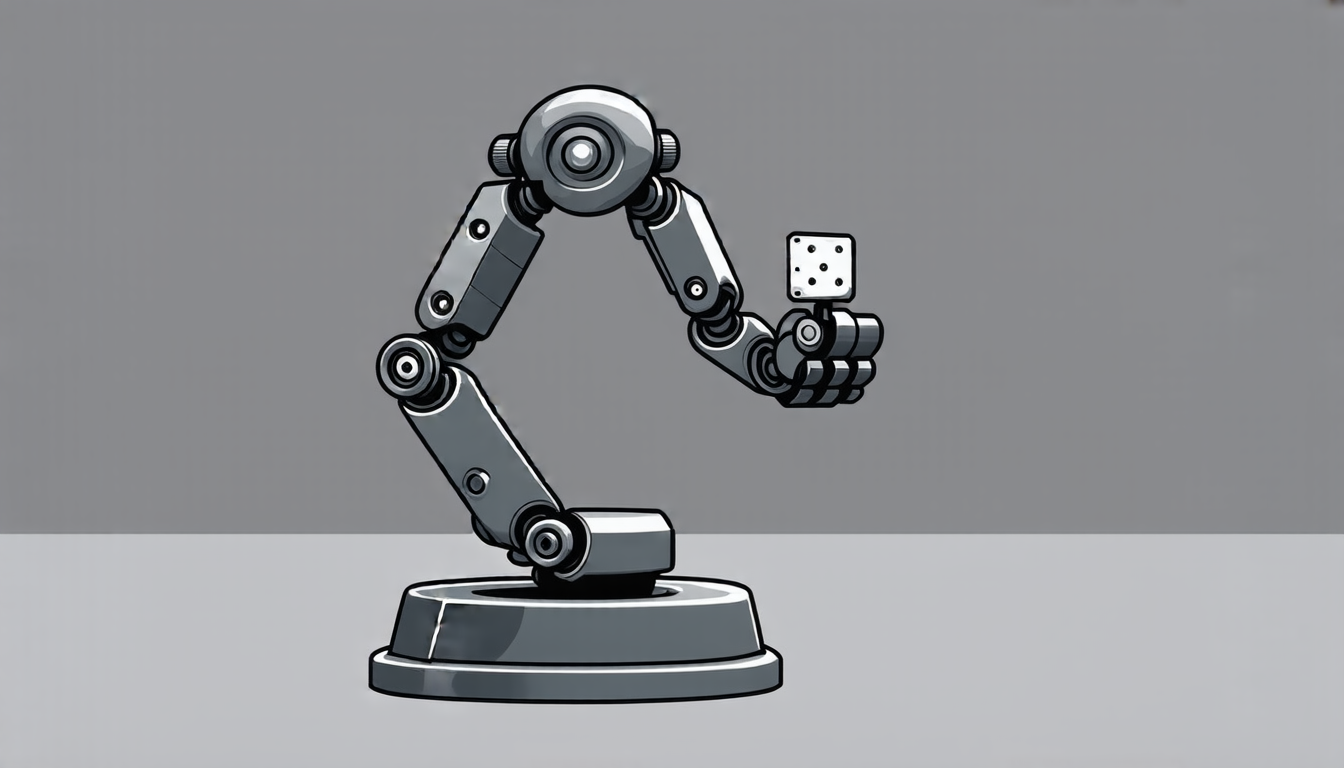
To create the dataset, researchers used a robotic arm equipped with various sensors and cameras to capture high-quality video footage of the robot performing different tasks. The team also employed specialized software to annotate each action segment, providing crucial information about what the robot was doing at any given time.
One of the key features of REASSEMBLE is its multimodal nature, which means it includes data from multiple sources, such as RGB cameras, event cameras, force and torque sensors, and microphones. This allows researchers to develop more sophisticated machine learning models that can take into account a wide range of sensory information.
The potential applications of REASSEMBLE are vast and varied. For example, the dataset could be used to train robots for tasks like assembly lines, surgical procedures, or even search and rescue operations. By enabling machines to learn from experience and adapt to new situations, REASSEMBLE has the potential to revolutionize the field of robotics.
In addition to its practical applications, REASSEMBLE also represents a significant step forward in our understanding of how robots can be trained to perform complex tasks. The dataset provides valuable insights into the importance of multimodal sensing and the need for more sophisticated machine learning models that can handle the nuances of real-world scenarios.
Overall, the development of REASSEMBLE is an important milestone in the quest to create more advanced robots that can work alongside humans.
Cite this article: “REASSEMBLE: A Revolutionary Dataset for Robotics Research”, The Science Archive, 2025.
Robots, Dataset, Manipulation Tasks, Robotics, Machine Learning, Action Segments, Multimodal Sensing, Robotic Arm, Sensor Data, Artificial Intelligence





