

Saturday 22 March 2025
Researchers have been working tirelessly to develop artificial intelligence models that can better understand and interact with the world around us. One of the biggest challenges they face is processing large amounts of visual and audio data in real-time, which requires a massive amount of computational power and memory.
Recently, a team of scientists from Dartmouth College has made significant strides in addressing this issue by developing a new AI model called Temporal Working Memory (TWM). TWM is designed to selectively retain and process only the most relevant information from a complex sequence of visual and audio data, allowing it to make more accurate predictions and decisions.
The key innovation behind TWM is its ability to use attention mechanisms to focus on specific parts of the input data. This allows the model to ignore irrelevant information and concentrate on the most important details. The researchers tested TWM by integrating it with several state-of-the-art AI models, including those used for video captioning, question answering, and text summarization.
The results were impressive. TWM was able to improve the performance of these models by reducing their computational requirements while maintaining or even improving their accuracy. For example, when integrated with a model used for video captioning, TWM was able to reduce the number of frames required to generate accurate captions while preserving their quality.
TWM also showed promise in more complex applications such as understanding and generating human-like dialogue. The researchers tested it by creating conversations between humans and AI models, and found that TWM was able to generate responses that were both coherent and relevant to the conversation.
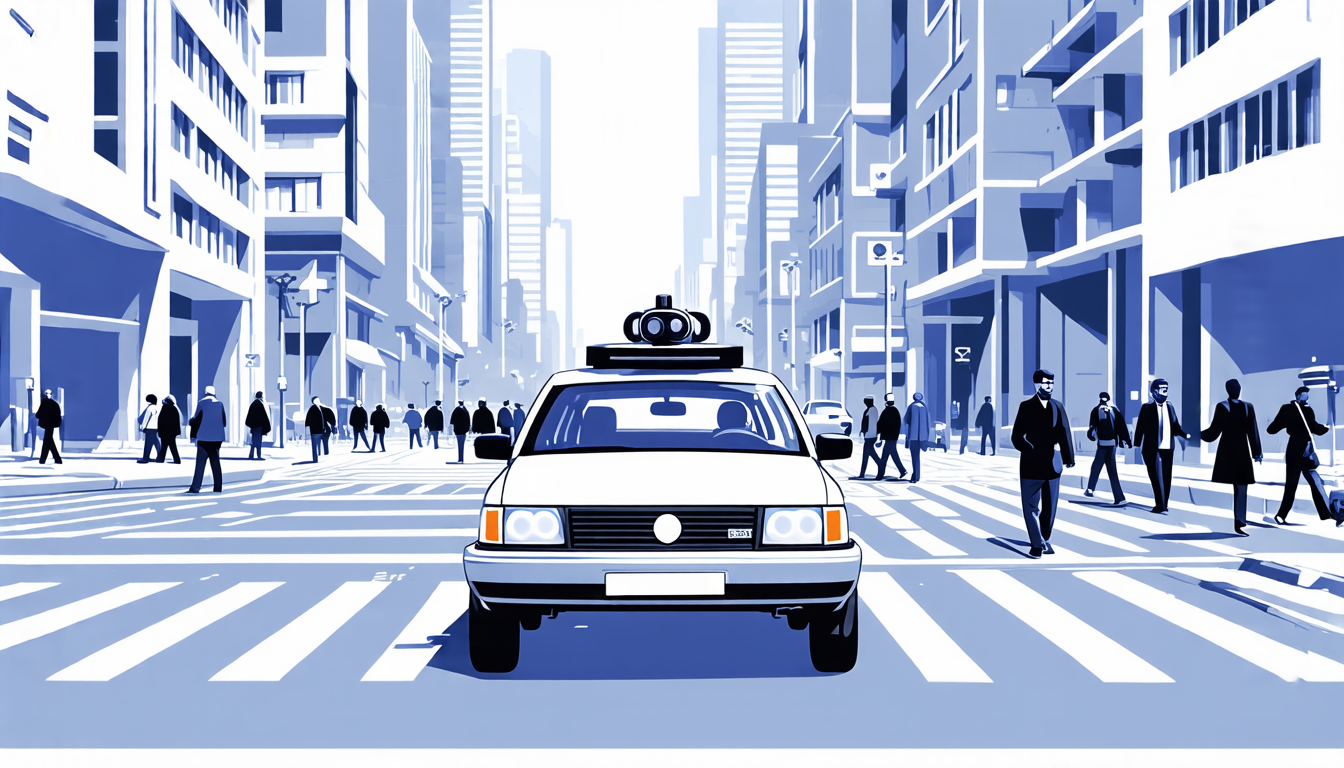
The implications of this technology are significant. It could be used to improve the performance of self-driving cars, medical diagnosis systems, and other applications where real-time processing of large amounts of data is critical. It also has the potential to enable more sophisticated human-AI interactions, such as natural language dialogue and gesture recognition.
While there is still much work to be done before TWM can be widely adopted, this breakthrough marks an important step forward in developing AI models that can effectively process and interact with the world around us.
Cite this article: “Artificial Intelligence Breakthrough: Temporal Working Memory Model Improves Real-Time Data Processing”, The Science Archive, 2025.
Artificial Intelligence, Temporal Working Memory, Attention Mechanisms, Visual Data, Audio Data, Real-Time Processing, Computational Power, Memory, Video Captioning, Question Answering





