

Saturday 22 March 2025
The quest for better object tracking in computer vision has led researchers to explore innovative ways of combining data from different sources. A recent study has shown that by using a unified approach, incorporating multiple modalities and adaptively selecting the most relevant information, performance can be significantly improved.
Object tracking is a crucial task in various fields, including surveillance, robotics, and autonomous vehicles. The ability to accurately locate objects over time is essential for understanding complex scenes, making decisions, and taking actions. However, this task has proven challenging, especially when dealing with multiple objects, occlusions, and varying lighting conditions.
To tackle these issues, researchers have traditionally focused on using a single modality, such as RGB or depth sensors, to track objects. While these approaches have shown promise, they often struggle in scenarios where the chosen modality is not well-suited for the task at hand. For instance, an RGB-based tracker may perform poorly in low-light conditions, while a depth sensor-based tracker may be ineffective in scenes with heavy occlusions.
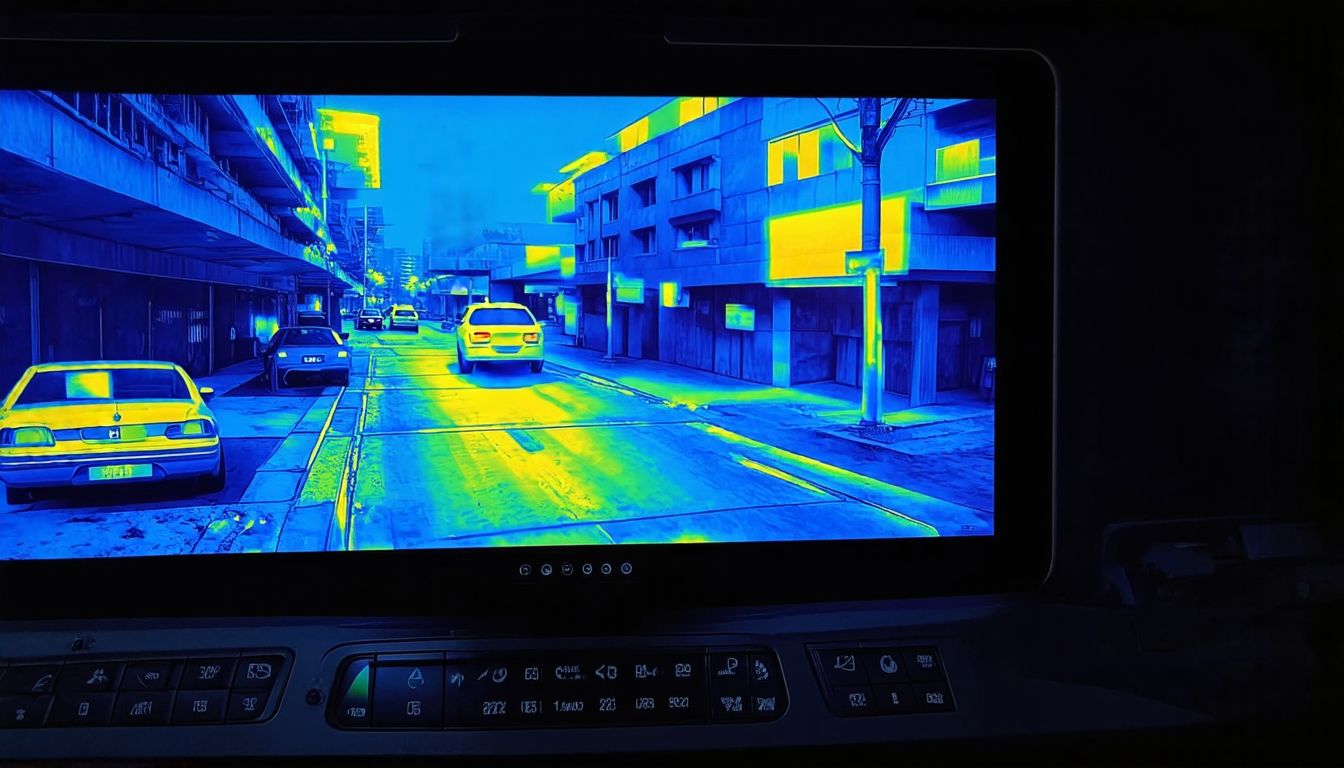
The new approach, dubbed Adaptive Perception Tracking (APTrack), addresses these limitations by incorporating multiple modalities and adaptively selecting the most relevant information. This is achieved through a novel architecture that combines the strengths of different modalities, such as RGB, depth, and thermal imaging.
In the study, researchers tested APTrack on five diverse datasets, including scenes with varying levels of complexity and multiple objects. The results showed significant improvements in tracking performance compared to traditional single-modality approaches. Specifically, APTrack achieved higher accuracy, robustness, and speed in challenging scenarios, such as occluded or low-light conditions.
One key advantage of APTrack is its ability to adaptively select the most relevant modality for each specific situation. This is achieved through a learnable module that assesses the reliability and relevance of each modality and adjusts the tracking process accordingly. As a result, APTrack can effectively utilize the strengths of multiple modalities, leading to improved performance and robustness.
The study’s findings have significant implications for various applications, including surveillance, robotics, and autonomous vehicles. By leveraging the strengths of multiple modalities, APTrack offers a powerful tool for object tracking in complex scenarios, ultimately enabling more accurate decision-making and action-taking.
In addition to its practical applications, this research also sheds light on the potential benefits of multi-modality fusion in computer vision.
Cite this article: “Adaptive Perception Tracking: A Novel Approach to Object Tracking in Complex Scenarios”, The Science Archive, 2025.
Object Tracking, Computer Vision, Multi-Modality Fusion, Adaptive Perception, Rgb, Depth Sensors, Thermal Imaging, Surveillance, Robotics, Autonomous Vehicles.





