

Sunday 23 March 2025
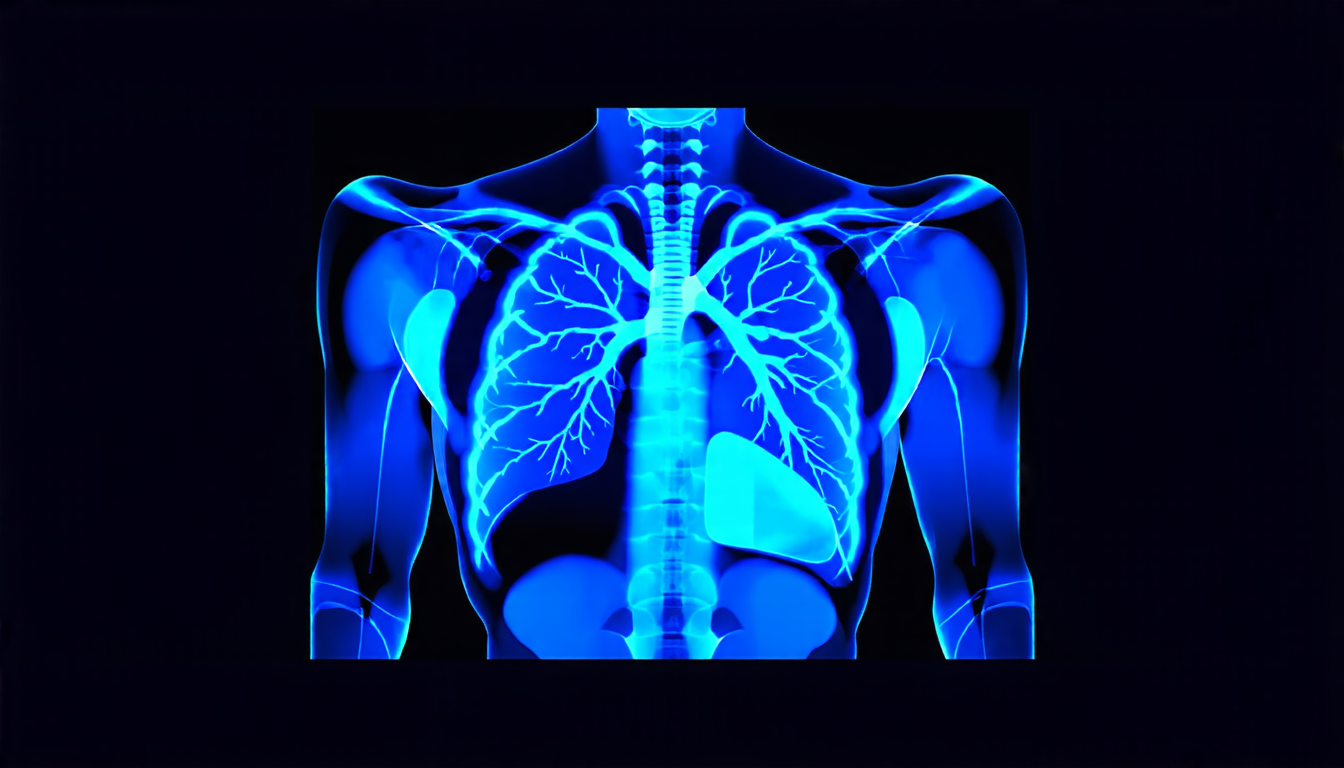
Researchers have made significant progress in developing a deep learning system that can accurately diagnose pneumonia from chest X-ray images, potentially revolutionizing the way doctors detect and treat this common respiratory infection.
The study used a combination of convolutional neural networks (CNNs) for classification and U-Net architectures for segmentation to develop an advanced lung infection detection system. The system was trained on a large dataset of chest X-ray images annotated by medical professionals, including cases of COVID-19 pneumonia.
The results show that the deep learning model is highly accurate in detecting both COVID-19 and non-COVID pneumonia, even when presented with low-quality or limited data. The system’s ability to identify infection patterns and quantify the extent of lung damage makes it a valuable tool for clinicians.
One of the key advantages of this approach is its potential to reduce the time and resources required for diagnosis. By analyzing X-ray images quickly and accurately, doctors can make more informed decisions about treatment and patient care.
The study also highlights the importance of model explainability in medical applications. The researchers used a technique called Grad-CAM to visualize the features of the X-ray images that the deep learning model relies on when making its predictions. This allows clinicians to understand how the model is arriving at its conclusions, which can be particularly important in high-stakes medical decisions.
The development of this system has significant implications for healthcare systems around the world, where pneumonia is a leading cause of morbidity and mortality. By providing doctors with a powerful tool for diagnosing and managing pneumonia, researchers hope to improve patient outcomes and reduce the burden on healthcare resources.
In addition to its potential clinical applications, this study also highlights the importance of advancing medical imaging technologies. As X-ray images become increasingly digitalized and automated, the need for accurate and reliable analysis tools will only continue to grow.
The next steps for this research involve further refining the model’s performance and exploring its application in real-world clinical settings. With continued advances in deep learning and medical imaging, it’s likely that we’ll see even more innovative applications of AI in healthcare in the years to come.
Cite this article: “AI-Powered Pneumonia Diagnosis System Shows Promise in Accurate Detection and Treatment”, The Science Archive, 2025.
Pneumonia, Deep Learning, Chest X-Ray Images, Convolutional Neural Networks, U-Net Architectures, Lung Infection Detection System, Covid-19, Model Explainability, Grad-Cam, Medical Imaging Technologies





