
Monday 24 March 2025
A team of researchers has developed a low-cost and practical system for determining the direction of arrival (DoA) of radio signals, which could have significant implications for various applications such as indoor localization and wireless communication systems.
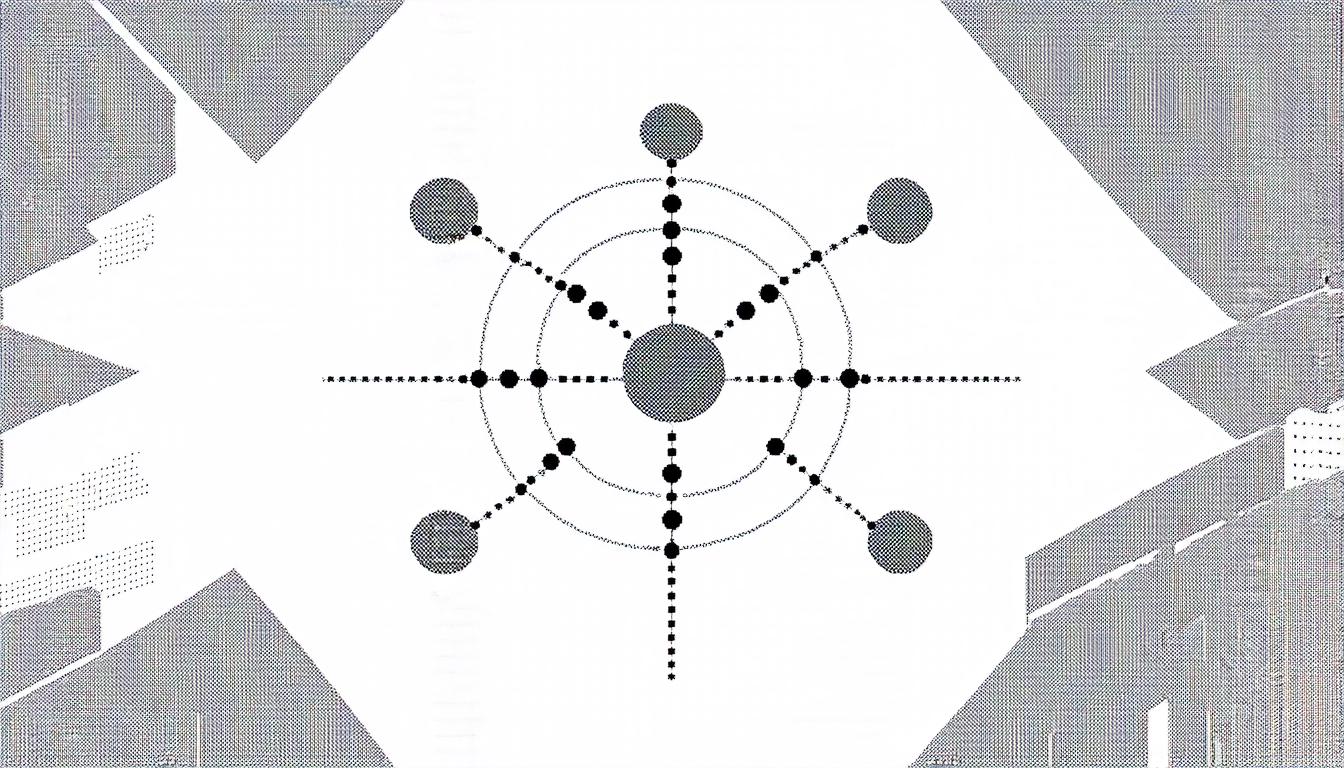
The system uses a software-defined radio (SDR) with a switched uniform circular array (UCA) to receive and process radio signals. The UCA is composed of eight antennas arranged in a circle, which allows the system to accurately determine the direction of arrival of the signal.
One of the key challenges in DoA estimation is dealing with the effects of multipath interference, which can cause signals to arrive at the receiver from multiple directions. To address this issue, the researchers used an enhanced MUSIC algorithm with spatial smoothing to process the received signals and estimate the direction of arrival.
The system was tested in both controlled laboratory environments and real-world scenarios, including indoor and outdoor settings. In the laboratory tests, the system demonstrated high accuracy and robustness, with a mean absolute angle error of 4.7 degrees and a signal-to-noise ratio (SLL) of 12.3 dB.
In the real-world tests, the system was able to track the direction of arrival of a handheld transmitter in various environments, including indoor spaces with multiple obstacles and outdoor settings with reflective surfaces. Although the accuracy was slightly lower than in the laboratory tests, the system still demonstrated impressive performance, with an average angle error of around 10 degrees.
The development of this low-cost and practical DoA estimation system has significant implications for various applications, such as wireless communication systems, indoor localization, and robotics. For example, it could be used to improve the accuracy of GPS signals in urban canyons or to enable more precise tracking of objects or people in complex environments.
In addition to its technical merits, the system also highlights the potential benefits of collaborative research between academia and industry. The researchers worked closely with engineers from a leading technology company to develop and test the system, demonstrating the value of interdisciplinary collaboration in advancing cutting-edge technologies.
Overall, this innovative DoA estimation system has the potential to make a significant impact on various fields and applications, and its development serves as an excellent example of the power of collaborative research and innovation.
Cite this article: “Low-Cost Direction of Arrival Estimation System for Wireless Communication Systems”, The Science Archive, 2025.
Radio Signals, Direction Of Arrival, Software-Defined Radio, Switched Uniform Circular Array, Multipath Interference, Music Algorithm, Spatial Smoothing, Indoor Localization, Wireless Communication Systems, Robotics