

Tuesday 25 March 2025
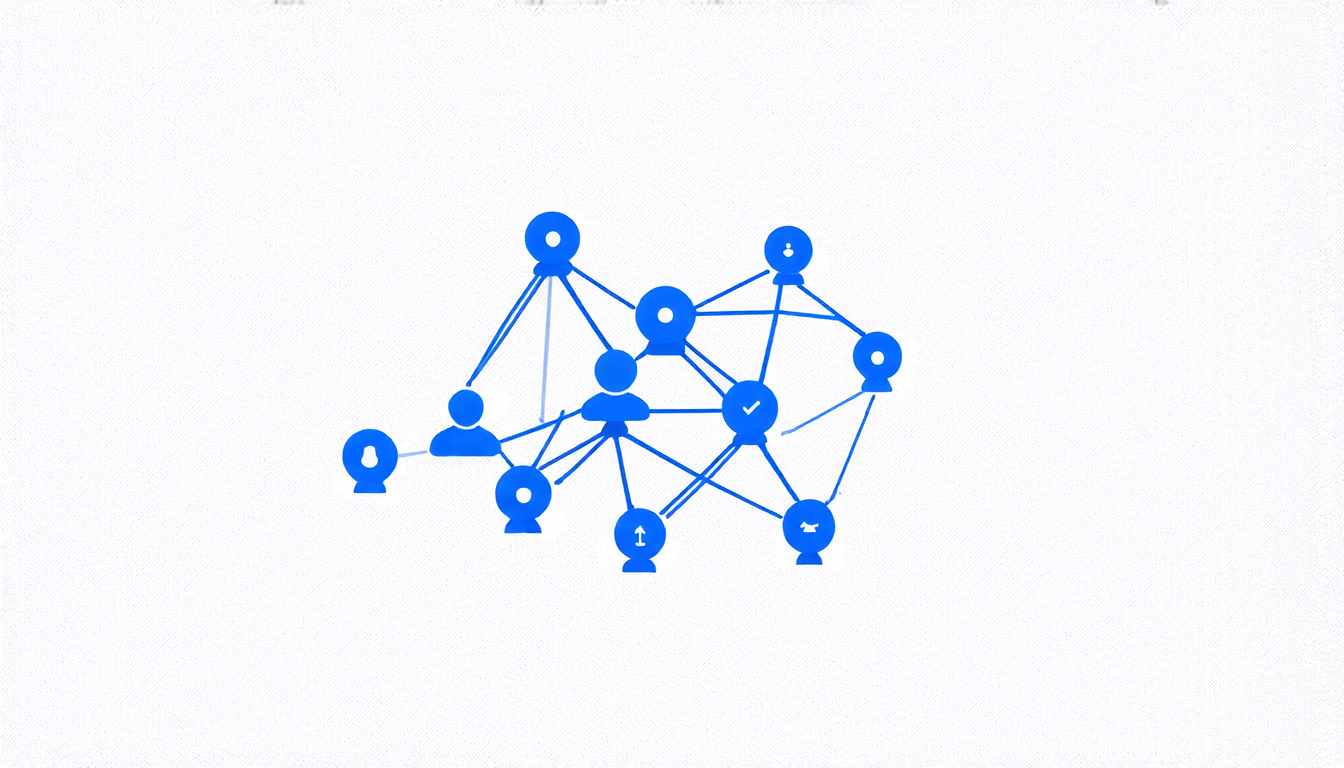
Scientists have been working on a way to make graph neural networks, which are used to analyze complex data structures like social networks and traffic patterns, more efficient. These networks are powerful tools for analyzing big data, but they can be slow and computationally expensive.
Researchers have developed a new method called SGS- GNN that uses a technique called supervised sparsification to reduce the number of edges in the graph while maintaining its accuracy. This is achieved by learning a probability distribution over the edges of the graph and then sampling from this distribution to create a sparse subgraph.
The team used a variety of techniques to test their method, including experiments on large-scale graphs and comparisons with other methods. They found that SGS-GNN was able to achieve state-of-the-art results in many cases, while also being much faster than previous methods.
One of the key advantages of SGS-GNN is its ability to handle heterophilic graphs, where nodes from different classes have different labels. This is a common problem in many real-world applications, such as social network analysis or recommender systems.
The team also experimented with different normalization and sampling techniques, as well as ensembling subgraphs during inference. They found that each of these techniques could improve results in certain datasets, but that there was no single best approach.
In addition to its improved performance, SGS-GNN is also more interpretable than previous methods. This means that it can provide insights into the relationships between different nodes in the graph, which can be useful for understanding complex systems.
Overall, SGS-GNN has shown great promise as a tool for analyzing complex data structures. Its ability to handle heterophilic graphs and provide interpretable results make it a valuable addition to the toolkit of any researcher or practitioner working with big data.
The team is continuing to work on improving SGS-GNN, including exploring new techniques for normalization and sampling, as well as developing methods for using the sparse subgraphs in downstream applications. As the method continues to evolve, it has the potential to make a significant impact in many fields, from social network analysis to recommender systems.
In addition to its technical advantages, SGS-GNN also has the potential to enable new types of research and applications. For example, it could be used to analyze complex biological networks or traffic patterns, allowing researchers to gain new insights into these systems.
Cite this article: “Efficient Graph Neural Networks for Complex Data Analysis”, The Science Archive, 2025.
Graph Neural Networks, Big Data Analysis, Supervised Sparsification, Graph Sampling, Edge Reduction, Heterophilic Graphs, Interpretable Results, Normalization Techniques, Sampling Methods, Ensembling Subgraphs





