

Tuesday 25 March 2025
Soft robots, those flexible and adaptable machines that can change shape to navigate complex environments or perform delicate tasks, have long been a tantalizing prospect for scientists and engineers. But until now, building these robots has been a painstaking process, requiring specialized equipment and expertise. That’s why the development of a new 3D printing technology could be a game-changer.
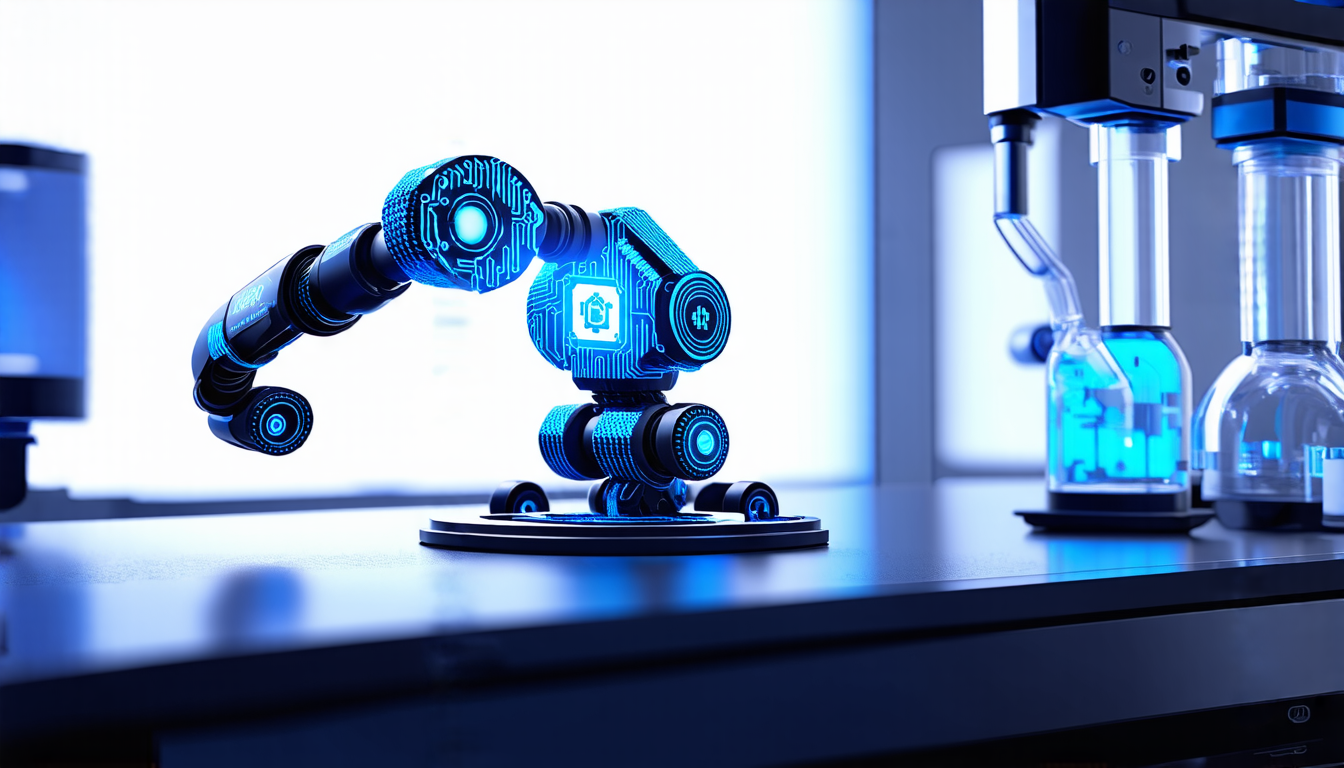
The Flex Printer is an open-source platform that allows users to print soft robots with embedded fluidic logic, essentially turning a printer into a factory for creating these unique machines. The key innovation lies in its ability to print ultra-flexible materials without the need for extensive specialized knowledge or equipment.
One of the biggest challenges in building soft robots has been printing thin, airtight membranes that can withstand the pressure and movement required for fluidic control. The Flex Printer overcomes this by using an innovative upside-down print orientation, which allows it to bridge longer gaps and reduce the need for supports. This not only makes the printing process faster and more reliable but also enables the creation of complex geometries and thin membranes.
The implications are significant. With the Flex Printer, researchers can now rapidly prototype and test soft robots with ease, accelerating the development of new applications in fields such as healthcare, manufacturing, and environmental monitoring. The platform’s open-source nature also encourages collaboration and innovation, allowing users to share designs and improve upon existing ones.
To demonstrate the capabilities of the Flex Printer, the team behind it has already created a robot that can autonomously walk off the print bed immediately after printing – a first-time milestone in this field. This achievement highlights the potential for soft robots to be used in a wide range of applications, from search and rescue missions to surgical procedures.
The Flex Printer’s impact goes beyond just the creation of new machines. It represents a shift towards democratizing access to technology, allowing researchers and enthusiasts alike to explore the possibilities of soft robotics without needing extensive resources or expertise. As the platform continues to evolve, it’s likely that we’ll see even more innovative applications emerge, further blurring the lines between humans and machines.
The Flex Printer is an exciting development in the world of soft robotics, offering a new level of accessibility and innovation for those working in this field. Its potential to accelerate research and development, as well as its capacity to inspire new ideas and collaborations, makes it an important step forward for the future of robotics.
Cite this article: “Soft Robotics Revolution: The Flex Printers Game-Changing Potential”, The Science Archive, 2025.
Soft Robots, 3D Printing, Flex Printer, Open-Source, Fluidic Logic, Ultra-Flexible Materials, Medical Applications, Manufacturing, Environmental Monitoring, Robotics.





