
Tuesday 25 March 2025
Researchers have developed a new algorithm that can accurately predict emotional stress levels in individuals by analyzing their daily activities and behavior. The algorithm, which uses machine learning techniques, has been tested on a dataset of patients with mood disorders and chronic pain.
The study used data from wearable devices and smartphones to track the patients’ physical activity, social interactions, sleep patterns, and other behaviors. These data were then combined with self-reported surveys about their emotional states, including stress levels, arousal, and valence.
The algorithm was able to identify distinct periods of high and low stress in each patient’s daily routine, which correlated strongly with their reported emotional states. The researchers found that the algorithm performed better than traditional machine learning methods in predicting stress levels, particularly when the data were segmented into smaller time intervals.
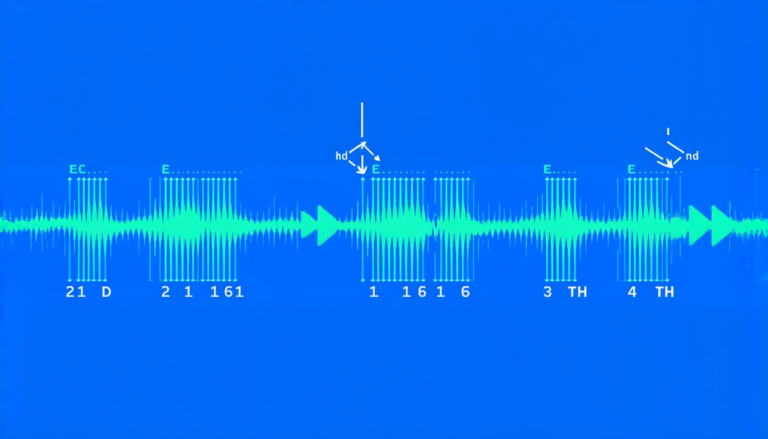
One of the key innovations of this study is its use of a novel change point detection algorithm to identify shifts in behavior and activity patterns that may indicate changes in emotional state. This algorithm was able to detect subtle changes in the patients’ daily routines that were not apparent from traditional analysis methods.
The results of this study have important implications for the diagnosis and treatment of mental health disorders. By using wearable devices and smartphones to track daily behaviors, clinicians may be able to identify early warning signs of emotional distress and provide targeted interventions to prevent exacerbation of symptoms.
The algorithm also has potential applications in other areas, such as monitoring patients with chronic illnesses or tracking the effects of environmental stressors on emotional well-being. Further research is needed to fully explore these possibilities, but the results of this study demonstrate the promise of this approach for improving our understanding of human behavior and emotional experience.
The researchers used a dataset of 24-hour periods from six patients with mood disorders and chronic pain, who were asked to wear wearable devices and carry smartphones throughout their daily activities. The data included measures of physical activity, social interactions, sleep patterns, and other behaviors, as well as self-reported surveys about their emotional states. The algorithm was able to identify distinct periods of high and low stress in each patient’s daily routine, which correlated strongly with their reported emotional states.
The study found that the algorithm performed better than traditional machine learning methods in predicting stress levels, particularly when the data were segmented into smaller time intervals. This suggests that the algorithm is able to capture subtle changes in behavior and activity patterns that may indicate changes in emotional state.
Cite this article: “Predicting Emotional Stress: A Machine Learning Algorithm Analyzes Daily Activities and Behavior”, The Science Archive, 2025.
Algorithm, Machine Learning, Emotional Stress, Daily Activities, Behavior, Mood Disorders, Chronic Pain, Wearable Devices, Smartphones, Mental Health