

Tuesday 25 March 2025
A recent study has made significant strides in the field of artificial intelligence, developing a system that can generate realistic and varied human gestures in response to audio inputs. The researchers behind this project have created an algorithm that combines multiple techniques to produce lifelike movements, allowing for more natural and engaging interactions between humans and machines.
The system, known as VarGes, is designed to mimic the way humans communicate through nonverbal cues such as hand movements, facial expressions, and body language. By analyzing audio inputs, including speech and music, the algorithm can generate a wide range of gestures, from simple nods and gestures to complex movements that reflect the emotional tone of the audio.
To achieve this level of realism, VarGes employs a combination of machine learning techniques, including convolutional neural networks (CNNs) and recurrent neural networks (RNNs). These algorithms are trained on large datasets of human gestures, allowing them to learn patterns and relationships between different movements and their corresponding audio inputs.
One key innovation behind VarGes is its ability to generate gestures that are not only realistic but also varied. Unlike previous systems, which often produce repetitive or stilted movements, VarGes can create a wide range of gestures that reflect the unique characteristics of each audio input. This allows for more natural and engaging interactions between humans and machines, making it easier for people to connect with virtual assistants, robots, and other AI-powered devices.
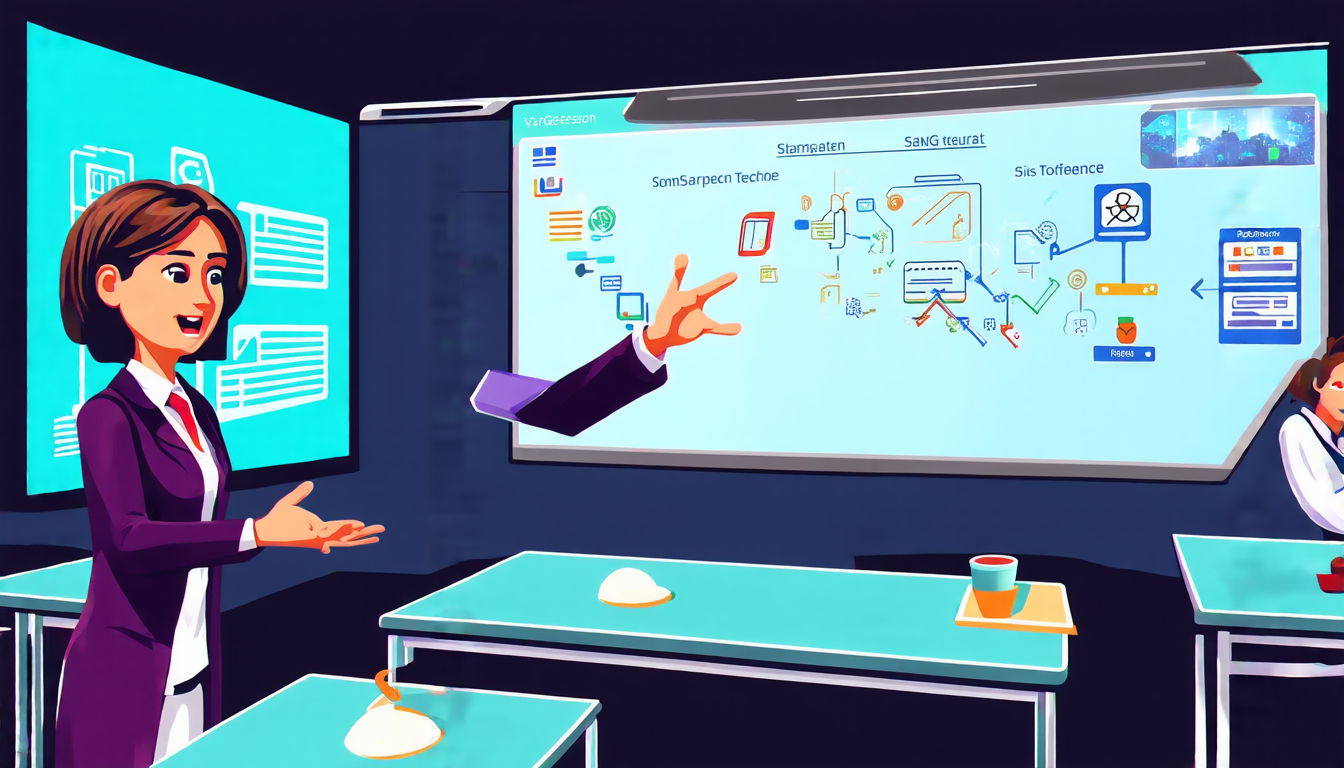
Another benefit of VarGes is its potential applications in fields such as education, entertainment, and therapy. For example, virtual teachers could use the system to create interactive lessons that incorporate realistic gestures and movements, while therapists could use VarGes to develop more engaging and personalized treatment plans for patients with communication disorders.
The researchers behind VarGes are now working to refine their algorithm and explore new applications for the technology. As AI continues to play a larger role in our daily lives, the potential impact of VarGes on human-machine interaction is vast, and its development marks an important step forward in the field of artificial intelligence.
The system’s ability to generate realistic and varied gestures has significant implications for fields such as education, entertainment, and therapy. For instance, virtual teachers could use VarGes to create interactive lessons that incorporate lifelike movements, while therapists could develop more engaging and personalized treatment plans for patients with communication disorders.
By analyzing audio inputs and generating corresponding gestures, VarGes has the potential to revolutionize the way humans interact with machines.
Cite this article: “VarGes: A Breakthrough in Artificial Intelligence-Generated Human Gestures”, The Science Archive, 2025.
Artificial Intelligence, Human Gestures, Audio Inputs, Machine Learning, Neural Networks, Convolutional Neural Networks, Recurrent Neural Networks, Natural Interactions, Virtual Assistants, Robots





