

Wednesday 26 March 2025
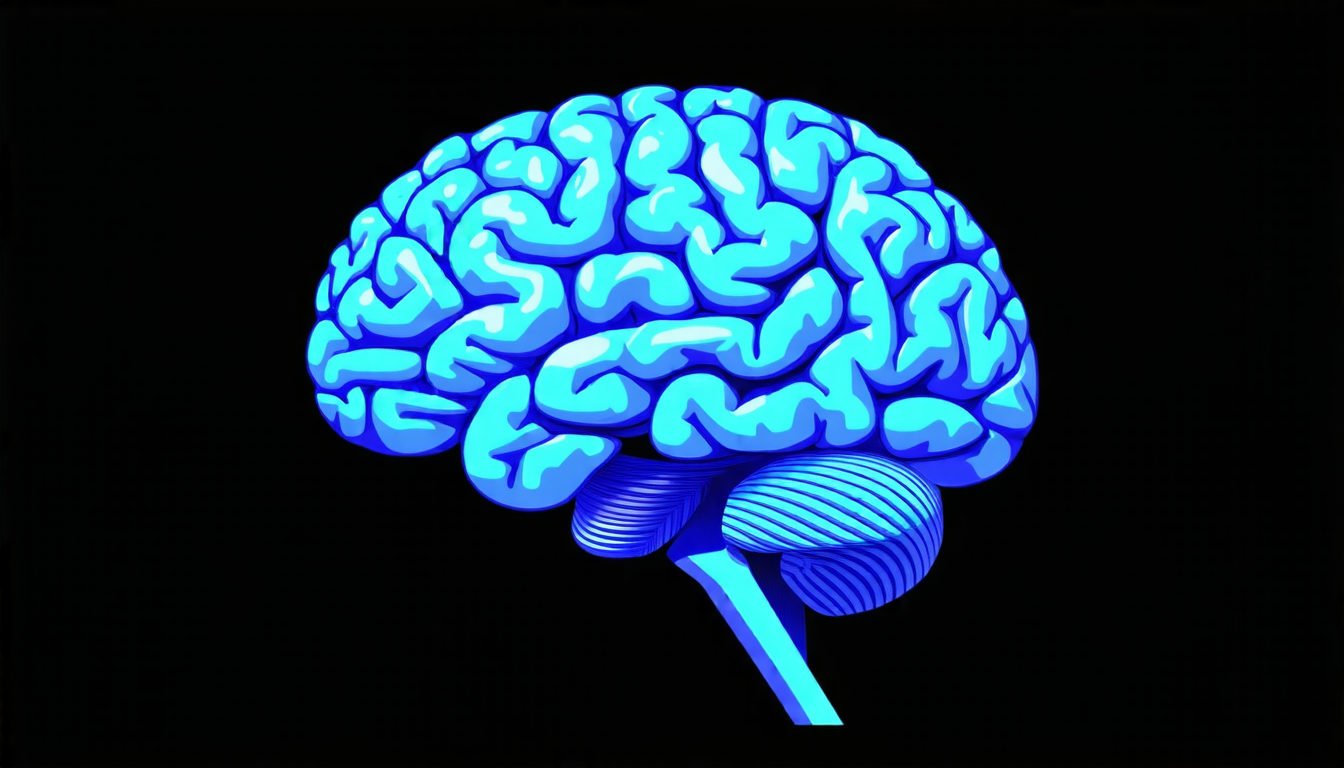
A team of researchers has made a significant breakthrough in medical imaging, developing a new method that can generate highly realistic and detailed brain scans from scratch. This innovation could revolutionize the way doctors diagnose and treat neurological disorders, allowing for more accurate and personalized treatments.
The researchers used a technique called diffusion models to create the synthetic brain scans. These models are based on complex algorithms that learn patterns in data and can generate new images that resemble real ones. In this case, the team trained their model on a large dataset of actual brain scans, allowing it to learn the intricate details and structures of the human brain.
The resulting synthetic scans were found to be remarkably realistic, with features such as folds and grooves on the surface of the brain accurately reproduced. This level of detail is crucial for diagnosing conditions such as Alzheimer’s disease, where subtle changes in brain structure can indicate early stages of the illness.
One of the key advantages of this new method is its ability to generate scans for individuals who may not have actual scans available due to factors such as age or medical condition. This could be particularly useful for studying developmental disorders or tracking changes in the brain over time.
The researchers also demonstrated the versatility of their model by generating synthetic scans with different conditions, such as atrophy or lesions, allowing doctors to simulate and study the effects of these conditions on the brain.
This breakthrough has significant implications for medical research and treatment. It could enable more accurate diagnoses, personalized treatments, and improved outcomes for patients. Additionally, it could facilitate the development of new medications and therapies by allowing researchers to test them on synthetic scans before moving to human trials.
The team’s findings are published in a recent paper, where they detail their method and provide examples of the synthetic brain scans generated using this technology. While there is still much work to be done to refine this approach, the potential benefits for medical research and patient care are substantial.
Cite this article: “Synthetic Brain Scans Revolutionize Neurological Diagnosis and Treatment”, The Science Archive, 2025.
Medical Imaging, Brain Scans, Diffusion Models, Neural Networks, Synthetic Images, Alzheimer’S Disease, Neurological Disorders, Personalized Medicine, Medical Research, Artificial Intelligence





