

Wednesday 26 March 2025
The internet is a crucial part of modern life, connecting us to each other and the world around us. But as our online activities become increasingly complex, so too does the need for efficient and effective ways to manage the vast amounts of data that flow through it. One innovative solution has been developed by researchers who have created an intelligent network telemetry system designed specifically for high-traffic switches.
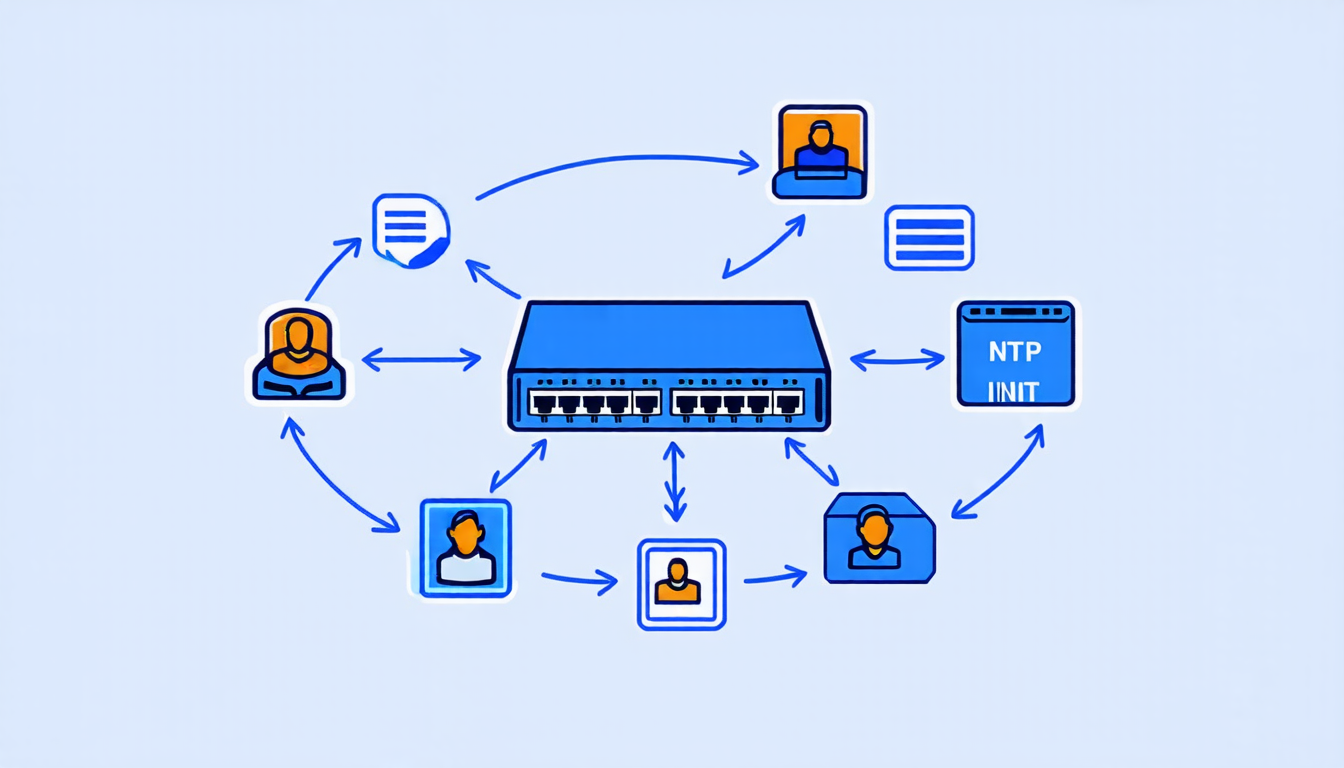
This system, known as NTP-INT, uses a combination of machine learning algorithms and graph neural networks to predict future traffic patterns and optimize network performance. By analyzing real-time data and identifying high-load switches, NTP-INT can reduce the complexity of probe path planning and improve control overhead. This means that network administrators can quickly and easily identify areas where congestion is likely to occur, taking proactive steps to mitigate it before it becomes a problem.
But how does it work? At its core, NTP-INT uses a deep reinforcement learning model to predict traffic patterns and optimize network performance. This model is trained on historical data and real-time monitoring information, allowing it to learn the complex relationships between different parts of the network. By combining this information with graph neural networks, which are particularly well-suited to analyzing complex systems, NTP-INT can identify high-load switches and predict where congestion is likely to occur.
The benefits of NTP-INT are numerous. For one, it allows network administrators to quickly and easily identify areas where congestion is likely to occur, taking proactive steps to mitigate it before it becomes a problem. This can help reduce the likelihood of outages and improve overall network reliability. Additionally, NTP-INT’s ability to optimize network performance can lead to improved speeds and reduced latency.
But what about scalability? As networks continue to grow in size and complexity, it’s essential that any solution be able to keep up. Fortunately, NTP-INT is designed with scalability in mind. By using a distributed architecture and leveraging the power of cloud computing, NTP-INT can handle even the largest and most complex networks.
In addition to its technical advantages, NTP-INT also offers significant practical benefits. For one, it reduces the need for manual intervention, freeing up network administrators to focus on higher-level tasks. It also provides real-time monitoring information, allowing administrators to quickly identify and respond to issues as they arise.
As our reliance on the internet continues to grow, so too does the need for innovative solutions like NTP-INT.
Cite this article: “Intelligent Network Telemetry System: Optimizing Traffic Flow and Reliability in High-Traffic Switches”, The Science Archive, 2025.
Intelligent Network Telemetry System, Machine Learning Algorithms, Graph Neural Networks, Deep Reinforcement Learning Model, Traffic Patterns, Network Performance, Congestion Mitigation, Scalability, Cloud Computing, Real-Time Monitoring.





