

Thursday 27 March 2025
A team of researchers has developed a new approach to controlling complex networks, such as those found in transportation systems or power grids. The method, which combines advanced mathematics and computer science techniques, allows for more efficient and reliable control of these networks.
Traditionally, controlling complex networks has been a challenging task due to the sheer scale and complexity of the systems involved. However, by using a technique called model predictive control (MPC), researchers have been able to develop more sophisticated algorithms that can take into account multiple variables and constraints at once.
The new approach developed by this team builds on the principles of MPC, but adds an additional layer of sophistication by incorporating network realization functions (NRFs). NRFs allow for a better understanding of how individual components within a network interact with each other, which is crucial in complex systems where small changes can have significant effects.
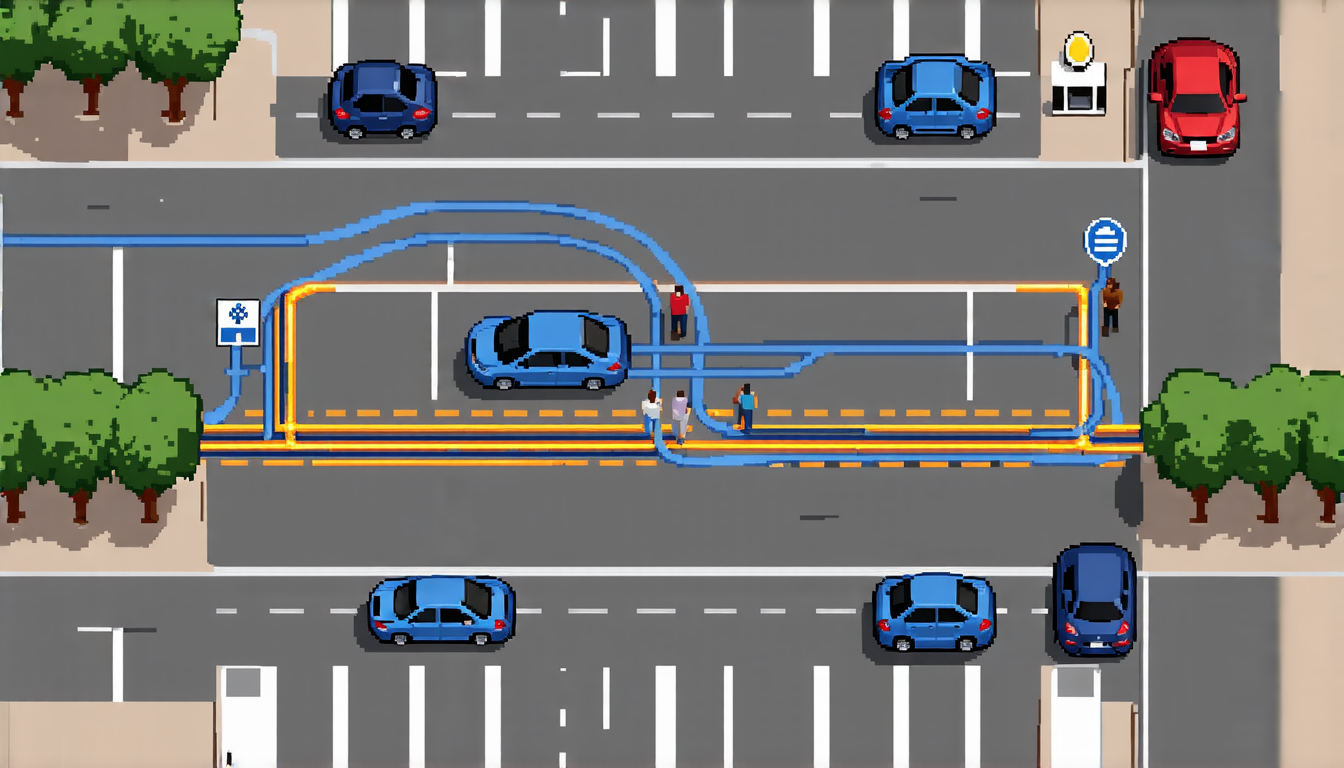
Using this new approach, researchers were able to develop a control system that was able to efficiently manage the flow of traffic through a simulated transportation network. The system was able to take into account factors such as road congestion, traffic light timing, and driver behavior, allowing it to optimize traffic flow and reduce congestion.
The implications of this research are significant, particularly in fields where complex networks play a critical role. For example, power grids rely on intricate networks of transmission lines and distribution systems to deliver electricity to consumers. By applying the principles developed by this team, researchers may be able to develop more efficient and reliable control systems for these networks.
Additionally, this technology has potential applications in other areas such as healthcare, finance, or even social networks. The ability to manage complex systems effectively is crucial in many industries and can have significant economic and societal benefits.
The development of this new approach highlights the importance of interdisciplinary research, where experts from different fields come together to develop innovative solutions. By combining advanced mathematics and computer science techniques with real-world problems, researchers are able to create novel solutions that can have a significant impact on society.
In the future, researchers plan to continue exploring the potential applications of this technology and refining its performance. As our world becomes increasingly interconnected, the need for effective control systems will only continue to grow, making research in this area crucial for shaping the future of complex networks.
Cite this article: “Mastering Complexity: A New Approach to Controlling Network Systems”, The Science Archive, 2025.
Complex Networks, Model Predictive Control, Network Realization Functions, Transportation Systems, Power Grids, Control Systems, Traffic Flow, Congestion Reduction, Interdisciplinary Research, Advanced Mathematics.





