
Thursday 27 March 2025
A team of researchers has developed a new method for analyzing complex data that can help scientists better understand how different variables are related to each other. The approach, known as partially linear additive models, is designed to identify patterns in large datasets and provide insights into the relationships between variables.
The traditional approach to data analysis involves using statistical models to make predictions about future outcomes based on past data. However, these models often assume that all of the variables are equally important and can be easily measured. In reality, many variables are not linearly related, meaning that small changes in one variable do not necessarily result in proportional changes in another.
To address this issue, researchers have developed partially linear additive models, which allow for non-linear relationships between variables. These models are particularly useful when dealing with large datasets and complex systems, where multiple factors can influence the outcome of interest.
The new method is designed to be more flexible than traditional statistical models, allowing it to capture a wider range of relationships between variables. This flexibility makes it well-suited for analyzing data from complex systems, such as those found in biology, economics, or social sciences.
One of the key advantages of partially linear additive models is their ability to identify patterns that may not be immediately apparent through traditional statistical analysis. By allowing for non-linear relationships between variables, these models can provide new insights into how different factors are related to each other.
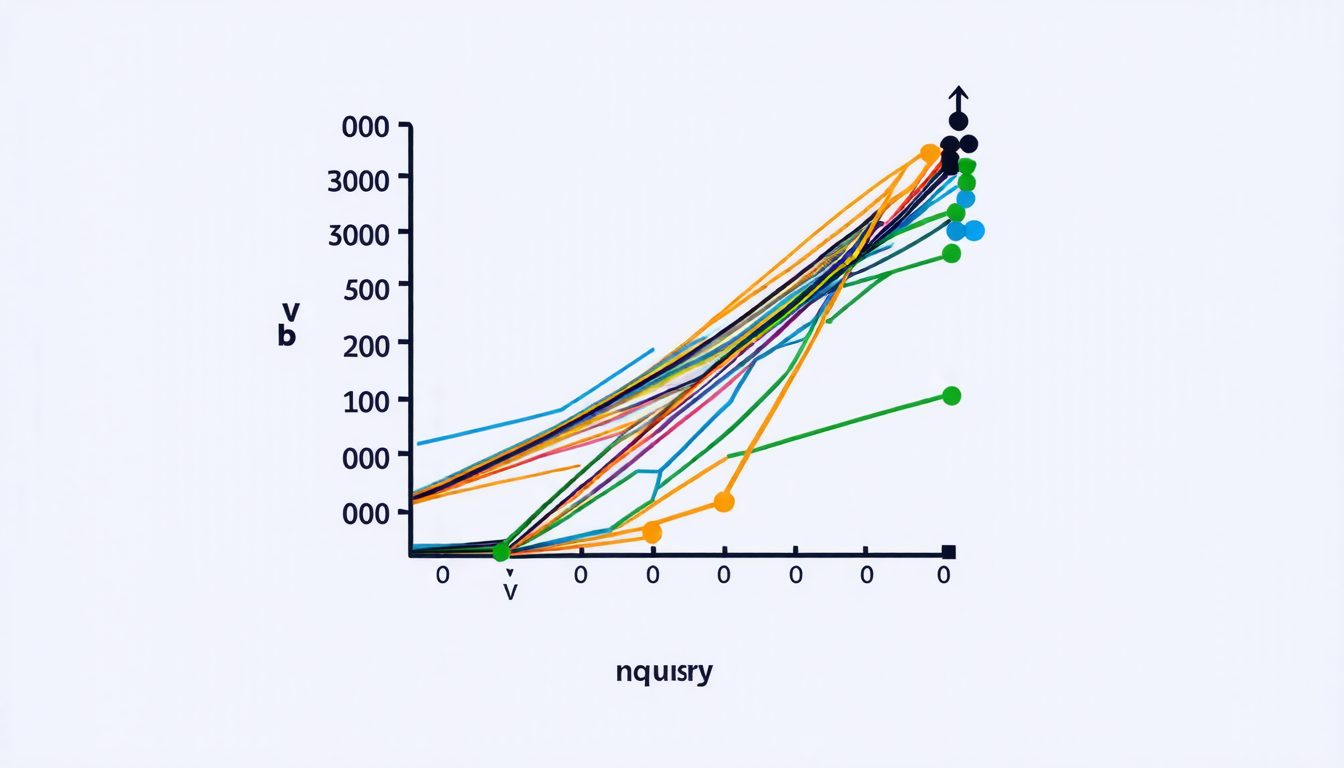
The researchers behind this work have tested their approach using a variety of real-world datasets, including data on plasma beta-carotene levels in humans and data on the relationship between economic indicators and stock prices. Their results show that partially linear additive models can be used to identify complex relationships between variables that may not be apparent through traditional analysis.
In addition to its applications in science and economics, this approach has potential uses in fields such as medicine, where it could be used to analyze large datasets and identify new patterns of disease progression. Overall, the development of partially linear additive models represents an important step forward in our ability to analyze complex data and make more accurate predictions about future outcomes.
The researchers behind this work are now working to further develop their approach and apply it to a wider range of datasets. Their ultimate goal is to create a tool that can be used by scientists across a variety of fields to gain new insights into the relationships between variables and make more accurate predictions about future outcomes.
Cite this article: “Unveiling Complex Relationships: A New Approach to Data Analysis”, The Science Archive, 2025.
Data Analysis, Partially Linear Additive Models, Complex Systems, Statistical Models, Non-Linear Relationships, Pattern Identification, Data Mining, Machine Learning, Predictive Analytics, Big Data.