

Thursday 27 March 2025
Researchers have made a significant breakthrough in artificial intelligence, developing a new method that allows robots to learn from humans more efficiently and effectively. The approach, known as MILE (Model-based Intervention Learning), combines machine learning techniques with human feedback to improve robotic performance.
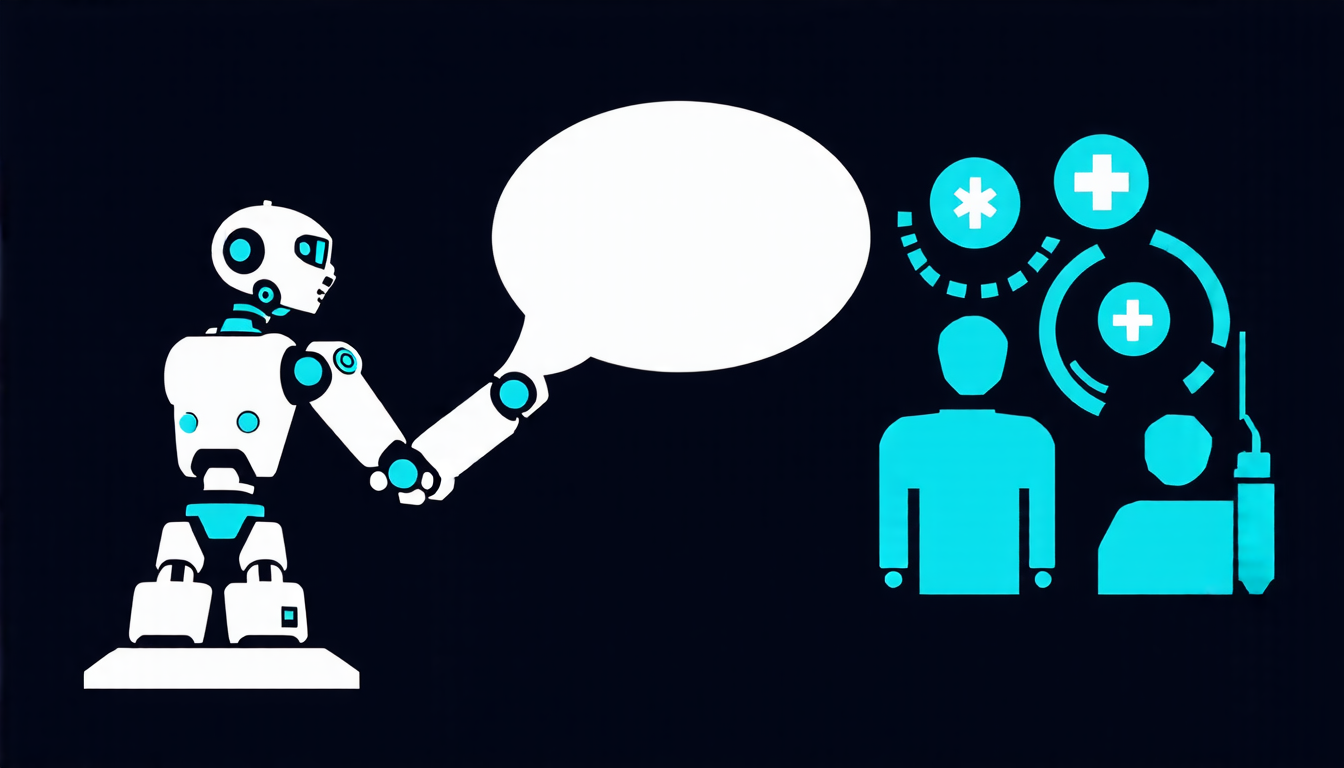
Traditionally, robots have relied on trial and error or reinforcement learning to master tasks. However, these methods can be slow and prone to errors. MILE addresses this issue by incorporating human expertise into the learning process. When a robot makes a mistake, a human can intervene and correct it, providing feedback that is used to refine the robot’s performance.
The key innovation behind MILE is its ability to model the human’s thought processes and decision-making strategies. This allows the robot to better understand why humans take certain actions and make specific decisions, enabling it to improve its own performance more quickly.
One of the most significant advantages of MILE is its ability to learn from a small number of demonstrations or interventions. This means that robots can be trained more efficiently and effectively, reducing the need for extensive trial-and-error experimentation.
The researchers tested MILE on a range of tasks, including robotic manipulation and control. In each case, the robot was able to learn from human feedback and improve its performance significantly. The results suggest that MILE could have significant applications in areas such as healthcare, manufacturing, and search and rescue.
One potential application of MILE is in the development of autonomous vehicles. By allowing humans to intervene and correct mistakes, MILE could help robots learn to navigate complex environments more effectively. This could be particularly useful in situations where human life is at risk, such as emergency response scenarios.
The researchers are now exploring ways to further improve MILE, including the use of additional sensors and machine learning algorithms. They believe that their approach has significant potential for real-world applications, and look forward to continuing to develop and refine it.
In addition to its technical benefits, MILE also has important implications for human-robot interaction. By allowing humans to provide feedback and guidance, MILE could help robots better understand human needs and preferences. This could lead to more effective collaboration between humans and robots, with potential applications in a wide range of fields.
Overall, the development of MILE represents an exciting step forward in artificial intelligence research. Its ability to learn from human feedback and improve robotic performance has significant implications for a range of applications, from healthcare to transportation.
Cite this article: “Robot Learning Breakthrough: MILE Enables Efficient Human-Robot Collaboration”, The Science Archive, 2025.
Artificial Intelligence, Machine Learning, Robotics, Human Feedback, Model-Based Intervention Learning, Autonomous Vehicles, Healthcare, Manufacturing, Search And Rescue, Human-Robot Interaction.
Reference: Yigit Korkmaz, Erdem Bıyık, “MILE: Model-based Intervention Learning” (2025).





