
Thursday 27 March 2025
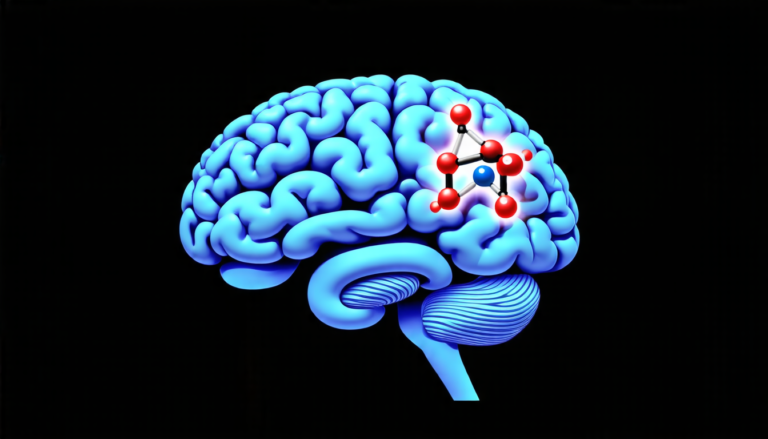
Deep brain stimulation, a treatment that’s been shown to effectively alleviate symptoms of dystonia, has long been used to target specific areas of the brain responsible for motor control. But a new study published in Movement Disorders sheds light on the long-term effects of this therapy on patients with primary generalized dystonia.
The researchers, led by Dr. Laura Cif, followed 26 patients with DYT1 dystonia over a period of up to 10 years, tracking their progress and assessing the effectiveness of deep brain stimulation (DBS) in alleviating symptoms. The results are striking: DBS maintained its efficacy in reducing motor and disability scores throughout the study period, with significant decreases observed at one year and sustained up to 10 years.
But what’s perhaps more interesting is that the researchers found the disease to be a progressive disorder, even under DBS treatment. In other words, while DBS was able to alleviate symptoms, it didn’t stop the progression of the disease altogether. This has significant implications for patients who undergo DBS therapy, highlighting the need for continued monitoring and potential adjustments to their treatment plan.
The study also found that patients with more severe dystonia prior to surgery required additional lead implantations, suggesting that DBS may not be a one-size-fits-all solution. Furthermore, the researchers noted that worsening of symptoms occurred more rarely in older patients receiving DBS surgery, which could have implications for treatment strategies in this population.
The study’s findings underscore the complexities of DYT1 dystonia and highlight the need for continued research into its underlying mechanisms. While DBS has been shown to be an effective treatment, it’s clear that there is still much to be learned about this debilitating disorder.
In addition to providing insights into the long-term effects of DBS on patients with primary generalized dystonia, the study also underscores the importance of careful patient selection and individualized treatment planning. As researchers continue to explore new therapeutic strategies for DYT1 dystonia, a deeper understanding of the disease’s progression and response to treatment will be crucial in developing more effective treatments.
The study’s results also raise questions about the optimal timing of DBS surgery in patients with DYT1 dystonia. Should it be performed earlier, when symptoms are less severe, or later, after symptoms have progressed? Further research is needed to answer these questions and to refine treatment strategies for this complex and debilitating disorder.
Cite this article: “Long-Term Effects of Deep Brain Stimulation on Primary Generalized Dystonia”, The Science Archive, 2025.
Deep Brain Stimulation, Dystonia, Primary Generalized Dystonia, Dyt1, Motor Control, Dbs, Treatment, Symptoms, Progressive Disorder, Patient Selection