

Thursday 27 March 2025
A team of researchers has made a significant breakthrough in understanding how artificial intelligence (AI) can be used to analyze and reason about complex systems, such as multi-agent systems.
The concept of causality is crucial in understanding how events unfold in these systems. Causality refers to the relationship between causes and effects, where one event leads to another. However, in complex systems, identifying causal relationships can be challenging due to the numerous variables involved.
To tackle this issue, researchers have developed a new approach that combines two formalisms: structural causal models and concurrent game structures. Structural causal models are used to describe the causal relationships between variables, while concurrent game structures are used to model the strategic interactions between agents in the system.
The researchers proposed a systematic way to translate structural causal models into concurrent game structures. This translation allows them to analyze and reason about the causal effects of an agent’s actions on other variables in the system.
One of the key findings is that by using this approach, AI can be used to identify actual causes and but-for causes in multi-agent systems. Actual causes are events that have a direct impact on the outcome, while but-for causes are events that would have prevented the outcome from occurring if they had not occurred.
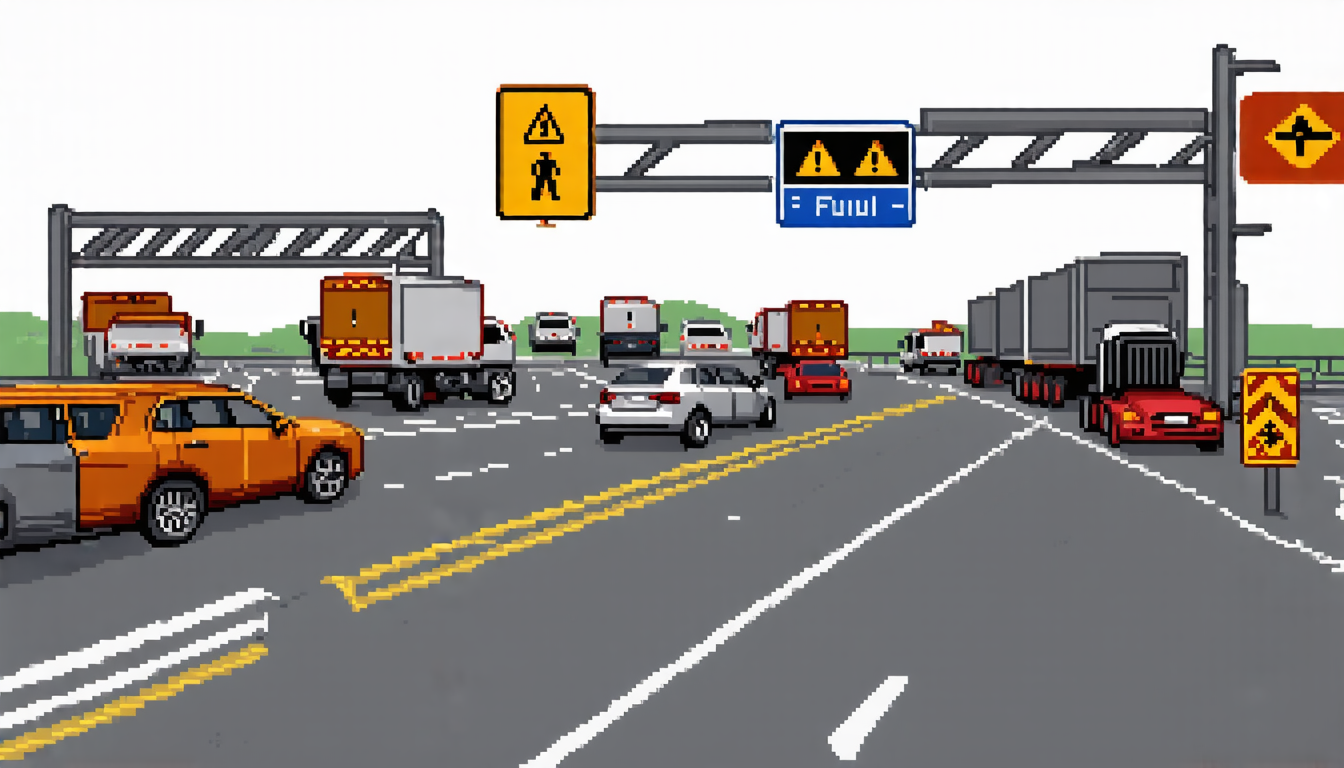
The researchers also demonstrated how their approach can be applied to real-world scenarios, such as traffic control environments, where supply and demand of electricity influence each other. By analyzing these systems using AI, it is possible to identify causal relationships and make more informed decisions about how to manage the system.
This research has significant implications for the development of autonomous systems that require complex decision-making capabilities. It shows that by combining structural causal models with concurrent game structures, AI can be used to analyze and reason about complex systems in a more accurate and efficient way.
The researchers’ approach also opens up new possibilities for attributing responsibility in multi-agent systems. For example, if an accident occurs due to the actions of multiple agents, their approach could help identify which agent’s actions were responsible for the outcome.
Overall, this research has significant potential to improve our understanding of complex systems and how AI can be used to analyze and reason about them.
Cite this article: “Unraveling Causal Relationships in Multi-Agent Systems with Artificial Intelligence”, The Science Archive, 2025.
Artificial Intelligence, Multi-Agent Systems, Causality, Structural Causal Models, Concurrent Game Structures, Decision-Making, Autonomous Systems, Complex Systems, Responsibility Attribution, Ai Analysis.





