

Thursday 27 March 2025
Scientists have made a significant breakthrough in the field of spectroscopy, a technique used to study the properties of atoms and molecules. By combining two frequency combs – light sources that emit a precise series of colors – researchers were able to create a device capable of detecting subtle changes in the atomic structure of samarium, a rare earth element.
The new system is an improvement over traditional spectroscopy methods, which often rely on single-frequency lasers or other limited light sources. These limitations can make it difficult to detect certain types of atoms or molecules, especially those with complex structures. By using two frequency combs, scientists were able to create a device that can accurately measure the absorption and emission spectra of samarium vapor.
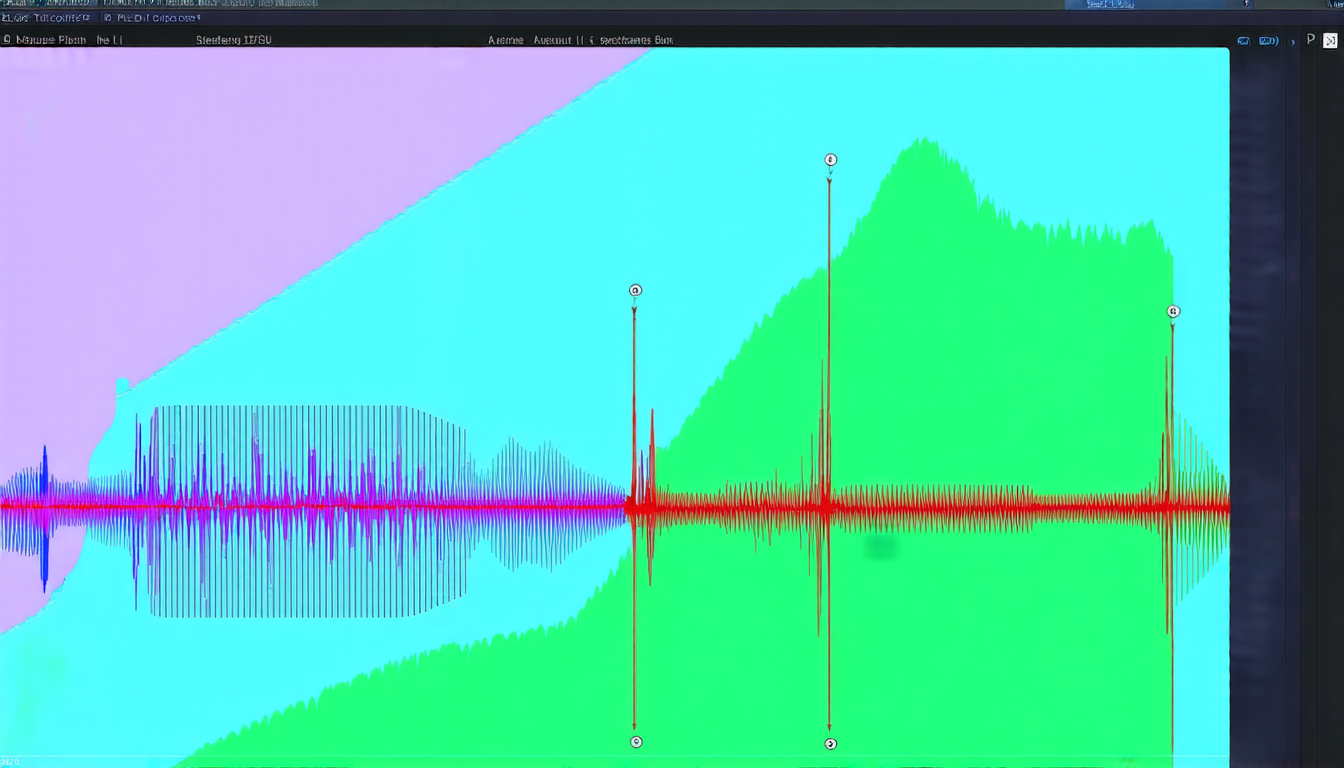
The study’s authors used a special type of spectroscopy called dual-comb spectroscopy (DCS). This technique involves splitting a light source into two beams, which are then passed through a sample containing the atoms or molecules being studied. The reflected beams are then combined and analyzed to detect changes in their frequencies, which correspond to the absorption and emission spectra of the sample.
In this experiment, the researchers used two frequency combs with different repetition rates – 250 MHz and 240.75 Hz – to create a system that can measure spectral lines with unprecedented precision. The device was able to detect absorption lines of samarium vapor at wavelengths between 680 and 732 nanometers, which is a significant improvement over previous methods.
The study’s results have important implications for the field of atomic physics. By using DCS to study samarium, researchers were able to identify several previously unknown spectral lines, which could be useful in a range of applications, from high-precision spectroscopy to the development of new materials and technologies.
In addition to its scientific significance, this breakthrough has the potential to revolutionize various fields such as chemistry, biology, and medicine. For example, DCS could be used to study the properties of biomolecules, such as proteins and DNA, which are crucial for understanding biological processes.
The device’s ability to measure spectral lines with high precision also opens up new possibilities for detecting subtle changes in atomic structures, which could have important implications for fields like quantum computing and cryptography.
Overall, this breakthrough in spectroscopy represents a major step forward in our understanding of the physical world. By combining two frequency combs, scientists were able to create a device that can accurately measure the properties of atoms and molecules with unprecedented precision.
Cite this article: “Breakthrough in Spectroscopy Enables High-Precision Atomic Structure Analysis”, The Science Archive, 2025.
Spectroscopy, Frequency Combs, Samarium, Rare Earth Element, Atomic Structure, Dual-Comb Spectroscopy, Absorption Spectra, Emission Spectra, Spectral Lines, Precision Measurement





