

Thursday 27 March 2025
The quest for plain language adaptations of medical texts has long been a challenge for healthcare professionals and researchers alike. The need for clear and concise information is paramount in today’s fast-paced medical landscape, where patients are increasingly informed and demanding of accessible knowledge.
A recent study has shed light on the importance of adapting complex medical text into plain language, specifically for readers at an 8th grade level (13 to 14 years old). This endeavour requires a delicate balance between accuracy, completeness, brevity, and fluency. The task is not only about simplifying jargon but also about ensuring that the adapted text remains faithful to the original content.
Researchers have developed a set of guidelines to aid in this process. These guidelines emphasize the importance of splitting complex sentences into simpler ones, omitting irrelevant information, and resolving anaphora (where pronouns refer back to previous sentences). Additionally, they recommend substituting longer, more arcane words with shorter, more common synonyms and explaining medical jargon or named entities when necessary.
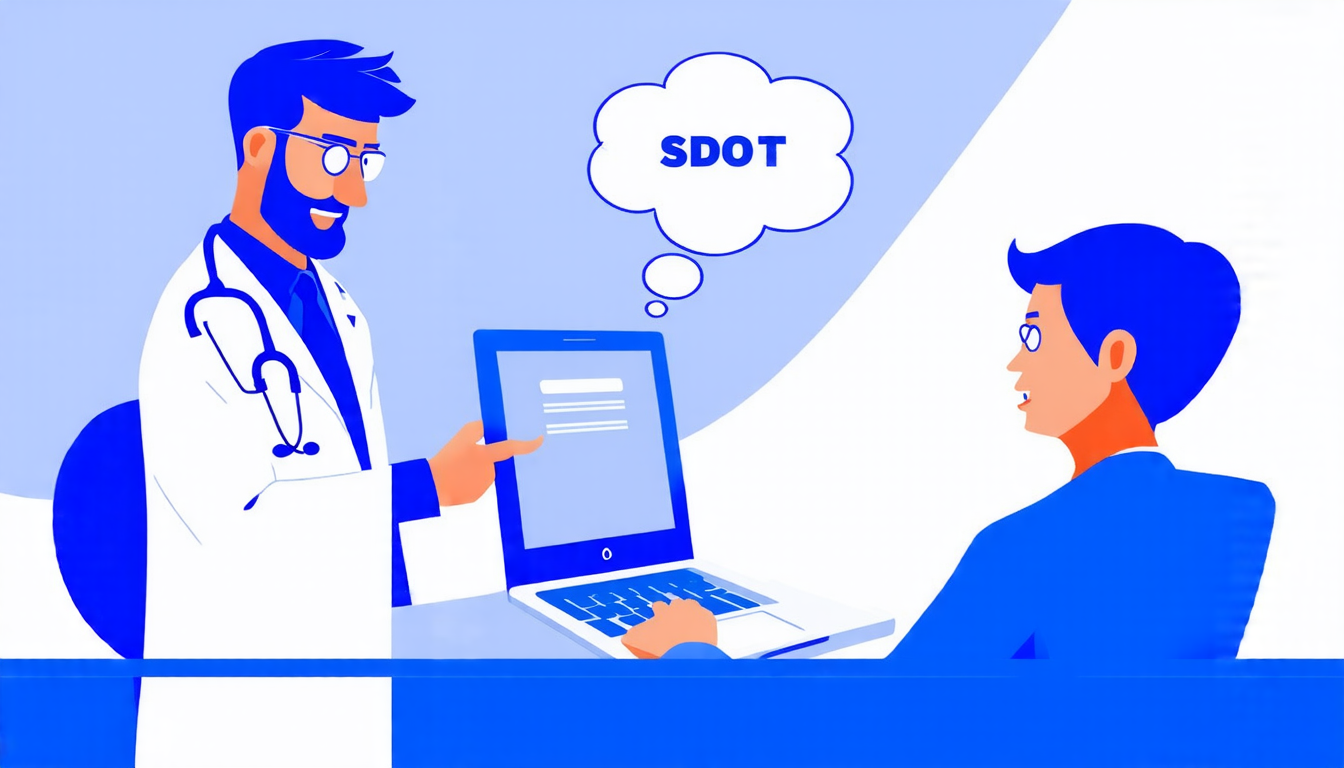
The AI-assisted adaptation process involves two stages. Firstly, the AI agent generates initial adaptations based on the guidelines. Then, a 13-14 year old student (AI Assistant 2) reviews these adaptations, asking questions to identify areas where they can be improved further. This feedback is incorporated into the final output, ensuring that the adapted text meets the criteria of simplicity, accuracy, completeness, brevity, and fluency.
The results are promising. The adapted texts are not only easier to understand but also more accurate and complete than their original counterparts. The use of AI in this process has opened up new avenues for healthcare professionals and researchers to share knowledge with a wider audience.
However, there are still challenges to be addressed. For instance, the quality of the initial adaptations depends heavily on the effectiveness of the guidelines and the AI agent’s ability to understand medical text. Moreover, the feedback mechanism relies on the student’s critical thinking skills and ability to identify areas for improvement.
Despite these limitations, this study has made significant strides in addressing the need for plain language adaptations of medical texts. As healthcare professionals continue to navigate the complexities of patient education, the development of AI-assisted adaptation tools will undoubtedly play a crucial role in ensuring that patients receive accurate, complete, and understandable information.
Cite this article: “Unlocking Medical Knowledge: The Role of Artificial Intelligence in Plain Language Adaptation”, The Science Archive, 2025.
Medical Texts, Plain Language, Healthcare Professionals, Researchers, Patient Education, Ai-Assisted Adaptation, Medical Jargon, Named Entities, Accuracy, Completeness





