
Thursday 27 March 2025
A new approach to detecting changes in forecasting models has been developed, allowing for more accurate and timely identification of shifts in data patterns. The method, published in a recent paper, uses sequential changepoint detection techniques to monitor forecast errors, providing a powerful tool for a wide range of applications.
Forecasting is a crucial component of many industries, from finance to logistics. However, forecasting models are not immune to changes in the underlying data that can affect their accuracy. If left undetected, these changes can lead to poor decision-making and significant losses. Traditionally, changepoint detection has been performed using retrospective analysis, which involves re-examining historical data after a change has occurred. This approach is limited by its inability to detect changes in real-time.
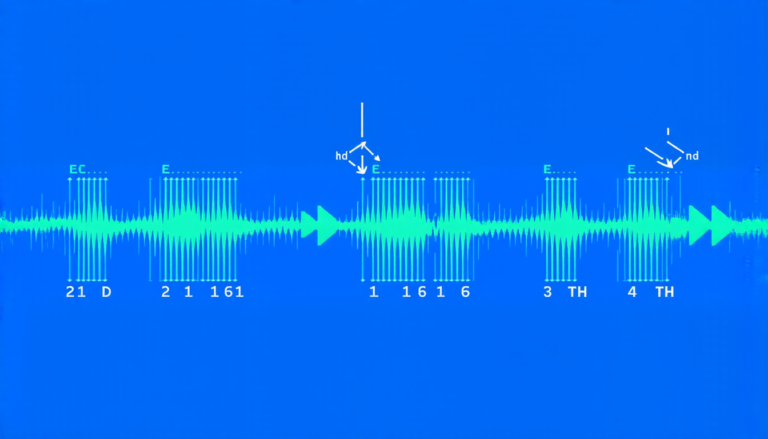
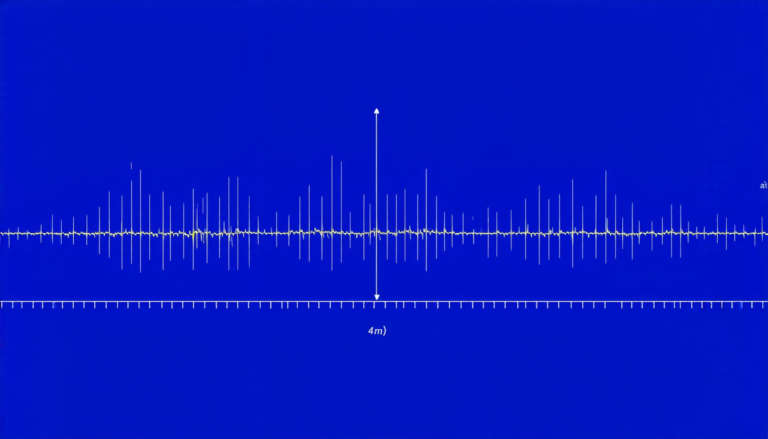
The new method uses a sequential approach, monitoring forecast errors as they are generated. By analyzing these errors, the algorithm can identify when a change in the underlying data has occurred. The technique is particularly effective at detecting mean and variance shifts in the data, which are common types of changepoints.
One of the key advantages of this approach is its ability to reduce the detection delay of changepoints. In traditional retrospective analysis, it may take weeks or even months to identify a change after it has occurred. The sequential method can detect changes within hours or days of their occurrence, allowing for more timely and effective decision-making.
The paper demonstrates the effectiveness of this approach using real-world data from two applications: parcel delivery volumes at Royal Mail and NHS A&E admissions. In both cases, the algorithm successfully identified changepoints that had significant impacts on forecasting accuracy.
The implications of this research are far-reaching. The method could be used in a wide range of fields, from finance to healthcare, where accurate forecasting is critical. It also highlights the importance of monitoring forecast errors and adapting models to changing data patterns.
In addition to its practical applications, the paper’s findings have theoretical significance. They demonstrate that common changepoints in underlying data generating processes can manifest in one-step-ahead forecast errors, providing new insights into the behavior of forecasting models.
The development of this sequential changepoint detection method has significant potential to improve the accuracy and reliability of forecasting models. By enabling more timely and effective identification of changes in the underlying data, it could lead to better decision-making and improved outcomes across a range of industries.
Cite this article: “Real-Time Detection of Changes in Forecasting Models Improves Accuracy and Timeliness”, The Science Archive, 2025.
Forecasting Models, Changepoint Detection, Data Patterns, Sequential Approach, Forecast Errors, Mean Shifts, Variance Shifts, Decision-Making, Accuracy, Reliability