

Thursday 27 March 2025
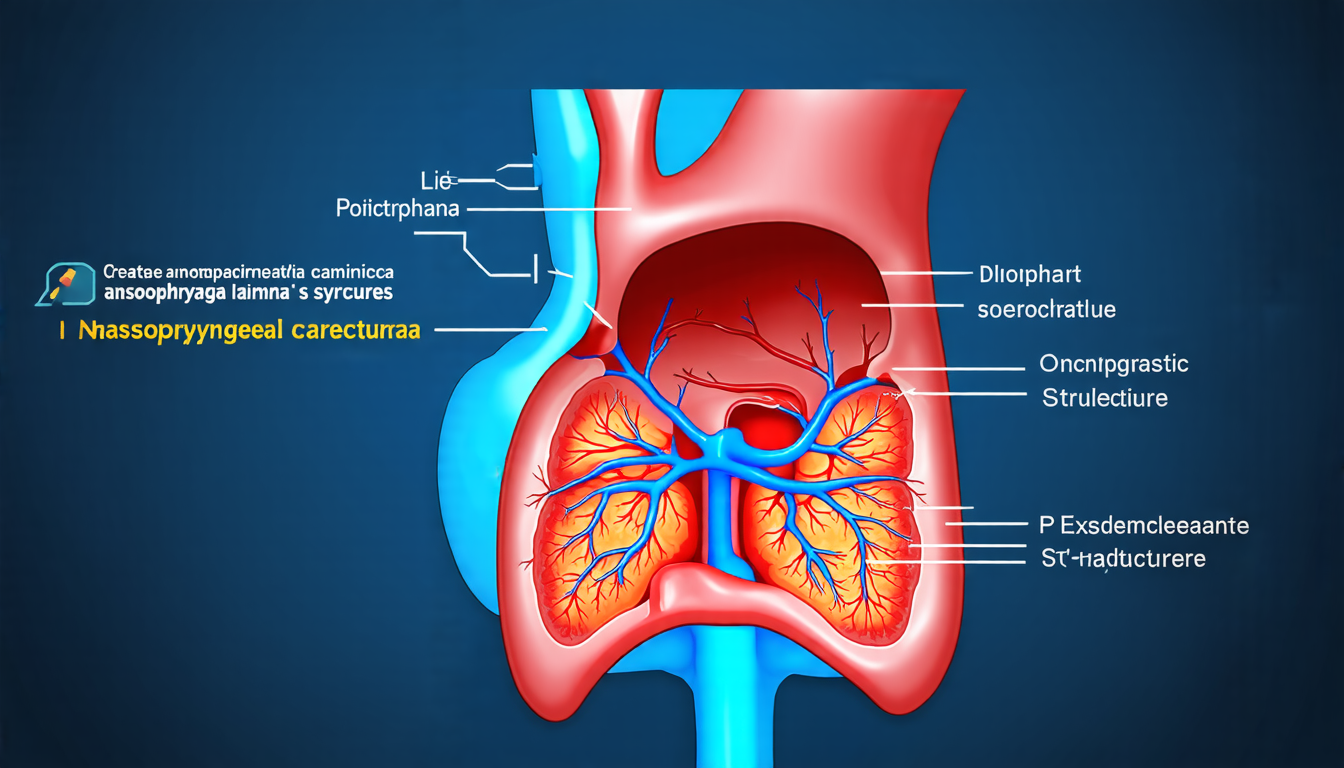
Medical imaging has come a long way in recent years, with advancements in technology and machine learning enabling more accurate diagnoses and treatments. One area where this is particularly evident is in the field of nasopharyngeal carcinoma (NPC) segmentation, a crucial step in assessing postoperative airway risks for patients.
The traditional approach to NPC segmentation involves manual contouring by clinicians, which can be time-consuming and prone to variability. In recent years, deep learning-based models have shown promise in automating this process, but even the most advanced algorithms struggle with capturing subtle anatomical structures and boundaries.
Enter TopoWMamba, a novel segmentation model designed specifically for postoperative NPC patients. By leveraging wavelet-based multi-scale feature extraction, state-space sequence modeling, and topology-aware modules, TopoWMamba is able to effectively capture both fine-grained boundaries and global structural context.
The key innovation behind TopoWMamba lies in its ability to integrate multiple scales of information into a single framework. Traditional segmentation models often struggle with capturing subtle features at the boundary between different anatomical structures. By using wavelet-based feature extraction, TopoWMamba is able to break down images into different frequency bands, allowing it to focus on specific details and ignore noise.
In addition to its ability to capture fine-grained boundaries, TopoWMamba also incorporates state-space sequence modeling to preserve anatomical continuity. This is particularly important in the context of postoperative NPC patients, where subtle changes in anatomy can have significant implications for airway function.
The results of TopoWMamba are nothing short of impressive. In testing on a dataset of 40 patient scans, the model achieved an average Dice score of 88.02%, outperforming existing models such as UNet and Attention UNet. Furthermore, when tested on a separate challenge dataset, TopoWMamba showed significant improvements in trachea segmentation compared to other state-of-the-art models.
The implications of TopoWMamba are profound. By providing accurate and automated segmentation of airway-related structures, the model has the potential to revolutionize postoperative care for NPC patients. No longer will clinicians be forced to rely on manual contouring, which can be time-consuming and prone to error. Instead, they will have a powerful tool at their fingertips, allowing them to make more informed decisions about patient care.
Of course, as with any new technology, there are still challenges to be addressed.
Cite this article: “Automated Nasopharyngeal Carcinoma Segmentation: A Breakthrough in Postoperative Care”, The Science Archive, 2025.
Nasopharyngeal Carcinoma, Npc Segmentation, Deep Learning, Medical Imaging, Machine Learning, Wavelet-Based Feature Extraction, State-Space Sequence Modeling, Topology-Aware Modules, Airway Risks, Postoperative Care





