
Thursday 27 March 2025
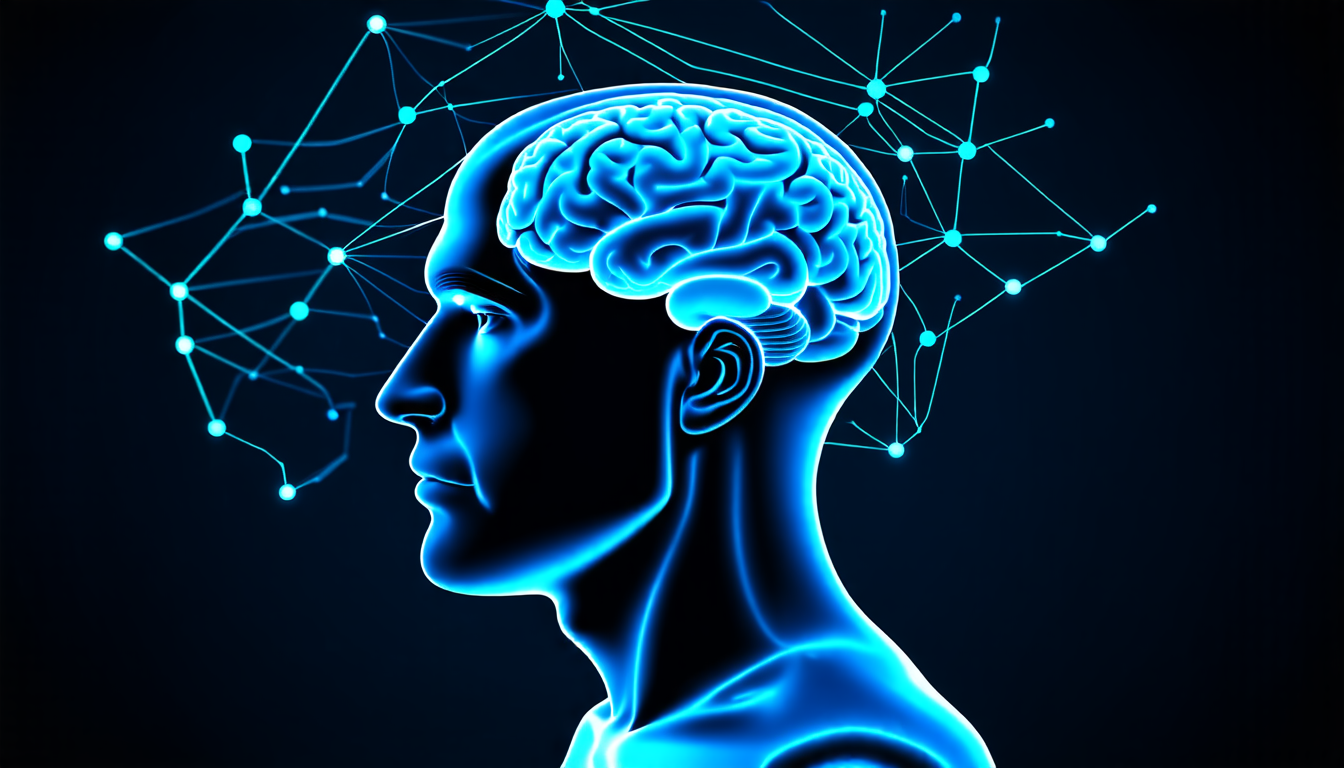
Scientists have made a significant breakthrough in understanding how our brains recover after a stroke. A recent study has shed light on the complex process of motor recovery, revealing new insights into how our nervous system rewires itself to regain lost function.
When a stroke occurs, it can cause widespread damage to the brain and spinal cord, leading to paralysis, weakness, or loss of sensation in different parts of the body. While physical therapy is often used to help restore motor function, the underlying mechanisms behind this recovery process have remained unclear.
Researchers used a combination of advanced imaging techniques and behavioral tests to study the brains of rats with induced strokes. They found that the brain’s ability to reorganize itself, or neuroplasticity, plays a crucial role in motor recovery. Specifically, they discovered that the brain’s neural networks are able to adapt and compensate for damaged areas by recruiting nearby healthy neurons.
The study also highlighted the importance of peripheral fatigue, which occurs when muscles become exhausted due to repeated contractions. Researchers found that individuals who experienced more severe peripheral fatigue during rehabilitation had poorer motor outcomes. This suggests that excessive muscle fatigue can hinder the brain’s ability to rewire itself and recover lost function.
The findings have important implications for stroke rehabilitation strategies. By understanding how our brains adapt to injury, therapists may be able to develop more targeted and effective treatments. For example, incorporating exercises that promote peripheral fatigue reduction into physical therapy programs could potentially improve motor outcomes.
The study also underscores the importance of individualized training approaches. Researchers found that a training strategy that took into account each rat’s unique pattern of neural activity resulted in better motor recovery compared to a standardized protocol. This suggests that rehabilitation programs should be tailored to each patient’s specific needs and abilities.
Overall, this research has opened up new avenues for understanding the complex process of motor recovery after stroke. By continuing to explore the intricate relationships between brain function, muscle fatigue, and neural plasticity, scientists may uncover even more effective strategies for helping individuals regain lost motor function and improve their overall quality of life.
Cite this article: “Unlocking the Secrets of Motor Recovery After Stroke”, The Science Archive, 2025.
Stroke, Brain Recovery, Neuroplasticity, Neural Networks, Motor Function, Physical Therapy, Peripheral Fatigue, Muscle Exhaustion, Rehabilitation Strategies, Individualized Training.