

Friday 28 March 2025
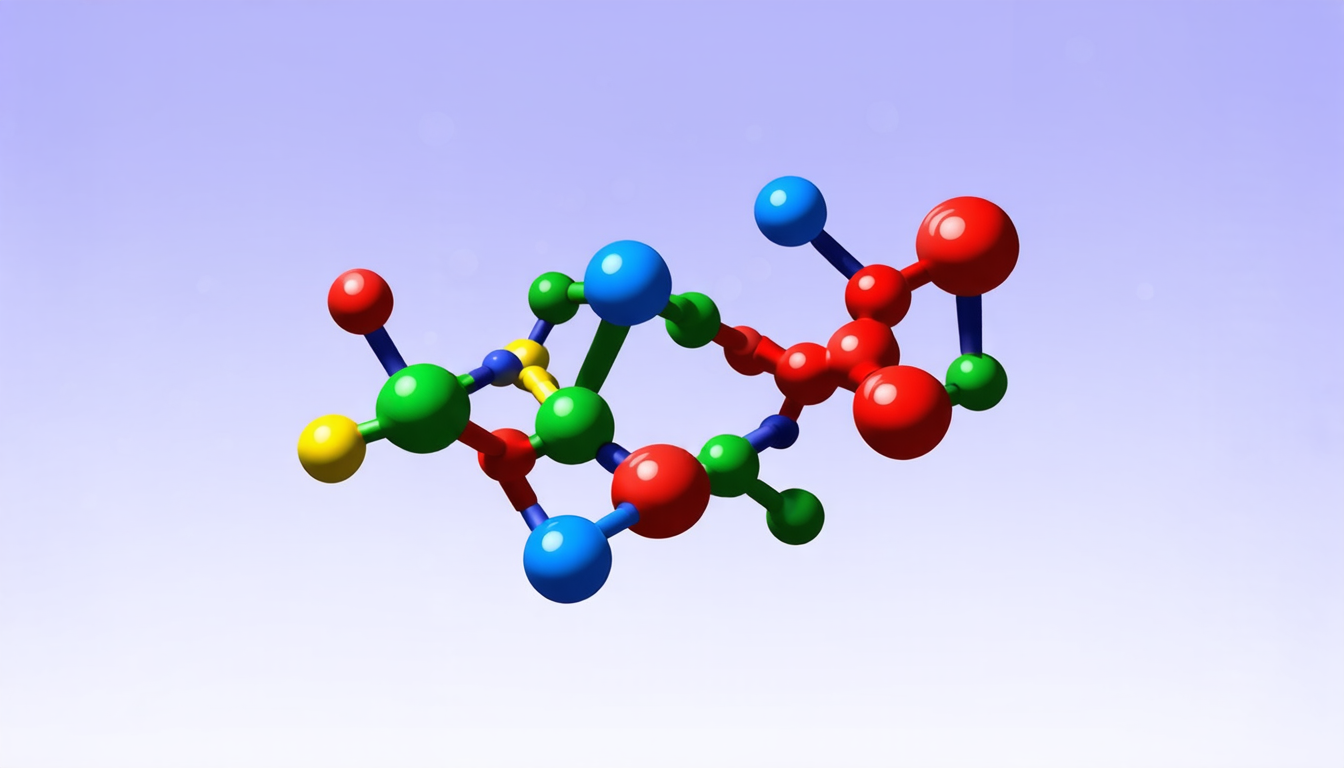
The intricate dance of biomolecules has long fascinated scientists, and a new study sheds light on the complex relationships between sequence patterning, protein structure, and condensate behavior. By employing a minimalist polymer physics model, researchers have revealed how specific sequences can give rise to nano-scale organisational heterogeneities within biomolecular condensates.
These condensates are micron-sized assemblies of proteins and macromolecules that play crucial roles in cellular processes, from regulating gene expression to facilitating chemical reactions. However, dysfunction in condensate formation has been implicated in various diseases, including neurodegeneration and cancer. To better understand the mechanisms underlying these processes, scientists have turned to computational modeling.
The researchers used a coarse-grained molecular dynamics polymer model to simulate the behavior of intrinsically disordered proteins (IDPs), which are characterized by their lack of stable tertiary structure. IDPs are found throughout cells and can form condensates through various interactions, including hydrophobic forces, electrostatic attraction, and van der Waals contacts.
The study focused on the sequence patterning of IDPs, examining how specific arrangements of amino acids influence the formation of condensates. The researchers discovered that certain sequences enable local coil-to-globule transitions within single polymers, which in turn promote the emergence of cluster-like structures within condensates.
These findings have significant implications for our understanding of biomolecular condensation and its role in cellular processes. By elucidating the sequence-dependent behavior of IDPs, scientists can better design therapeutic strategies to target dysfunctional condensate formation in diseases.
The study’s results also underscore the importance of considering the complex interplay between sequence patterning, protein structure, and condensate behavior. The researchers’ minimalist polymer physics model provides a powerful tool for exploring these relationships, allowing them to probe the intricate dynamics of biomolecular interactions.
As scientists continue to unravel the mysteries of biomolecular condensation, this study serves as a testament to the power of computational modeling in advancing our understanding of complex biological processes. By shedding light on the sequence-dependent behavior of IDPs, researchers can take a crucial step towards developing targeted therapies for diseases linked to dysfunctional condensate formation.
The study’s findings also highlight the importance of considering the nano-scale organisational heterogeneities within biomolecular condensates.
Cite this article: “Unraveling Sequence-Dependent Dynamics in Biomolecular Condensation”, The Science Archive, 2025.
Biomolecules, Sequence Patterning, Protein Structure, Condensate Behavior, Polymer Physics Model, Intrinsically Disordered Proteins, Idps, Coil-To-Globule Transitions, Cluster-Like Structures, Biomolecular Condensation





