
Friday 28 March 2025
Hair growth is a complex process that’s still not fully understood, but a new study sheds some light on what drives it – and how it can go awry in conditions like alopecia areata.
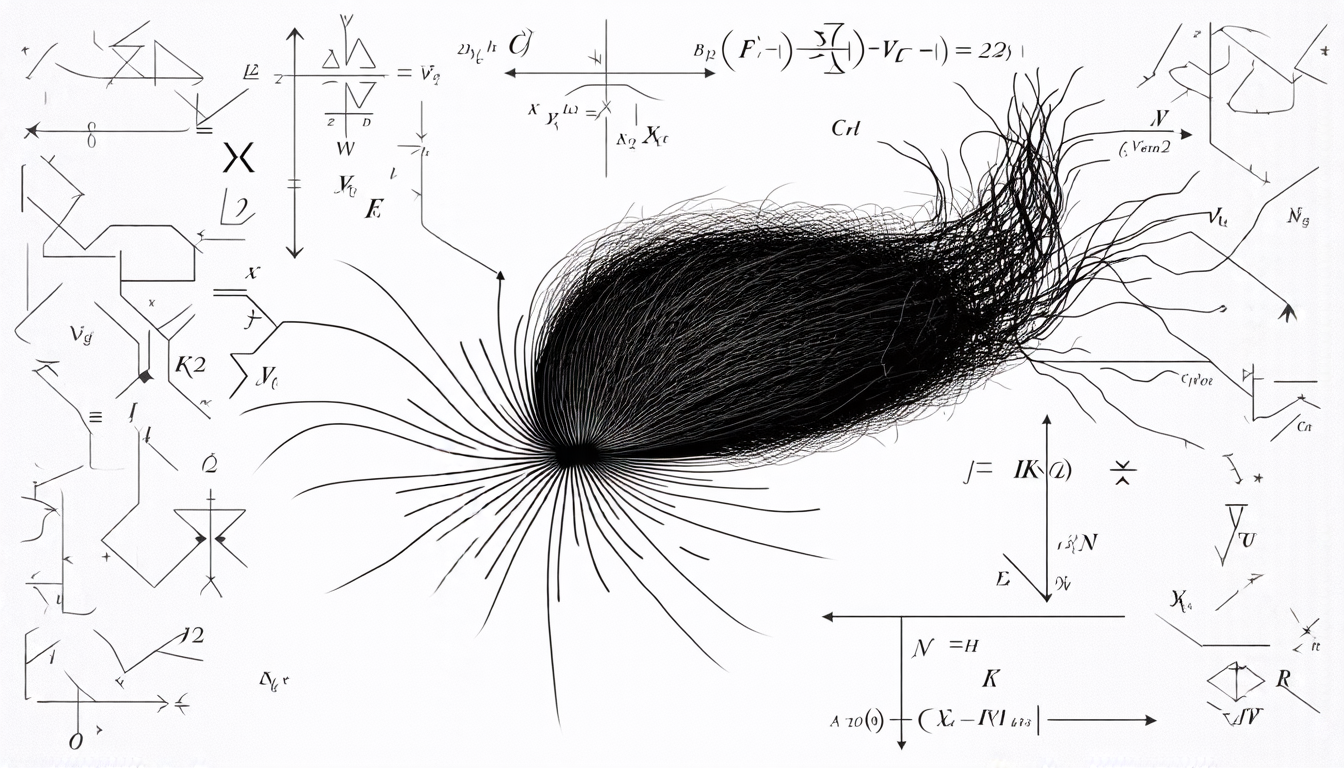
Researchers used a mathematical model to simulate the hair growth cycle, which involves phases of rapid growth, rest, and regression. They found that certain factors play a crucial role in determining the length of each phase, including the rate at which signaling molecules are produced by the hair follicle’s stem cells.
One key factor is the balance between two types of signaling molecules: those that promote growth and those that induce regression. When this balance is disrupted, it can lead to conditions like alopecia areata, where the immune system mistakenly attacks the hair follicles.
The study also found that the rate at which these signaling molecules are produced is influenced by a range of factors, including hormones and genetic predisposition. This means that individuals with certain genetic traits may be more prone to developing alopecia areata or other hair growth disorders.
To test their model, the researchers used data from both normal and alopecia areata patients. They found that the model was able to accurately predict the length of each phase of the hair growth cycle in both groups – and even identified specific factors that were driving the differences between them.
One notable finding was that individuals with alopecia areata had a higher degree of uncertainty associated with their hair growth duration compared to those without the condition. This suggests that the immune system’s attack on the hair follicles is not just random, but rather is driven by specific factors that can be identified and targeted.
The study also highlights the importance of understanding the complex interactions between different biological systems. By using a mathematical model to simulate the hair growth cycle, researchers were able to identify key factors that influence the process – and how they interact with each other.
This kind of research has important implications for the development of new treatments for hair loss disorders. By identifying specific factors that drive these conditions, scientists may be able to develop targeted therapies that can help restore normal hair growth.
Overall, this study provides a fascinating glimpse into the complex biology of hair growth – and highlights the potential for mathematical modeling to shed light on some of the body’s most mysterious processes.
Cite this article: “Unraveling the Complexities of Hair Growth: A Mathematical Model Reveals Key Factors”, The Science Archive, 2025.
Hair Growth, Alopecia Areata, Signaling Molecules, Mathematical Model, Hair Follicle, Stem Cells, Immune System, Genetic Predisposition, Hormones, Uncertainty