
Friday 28 March 2025
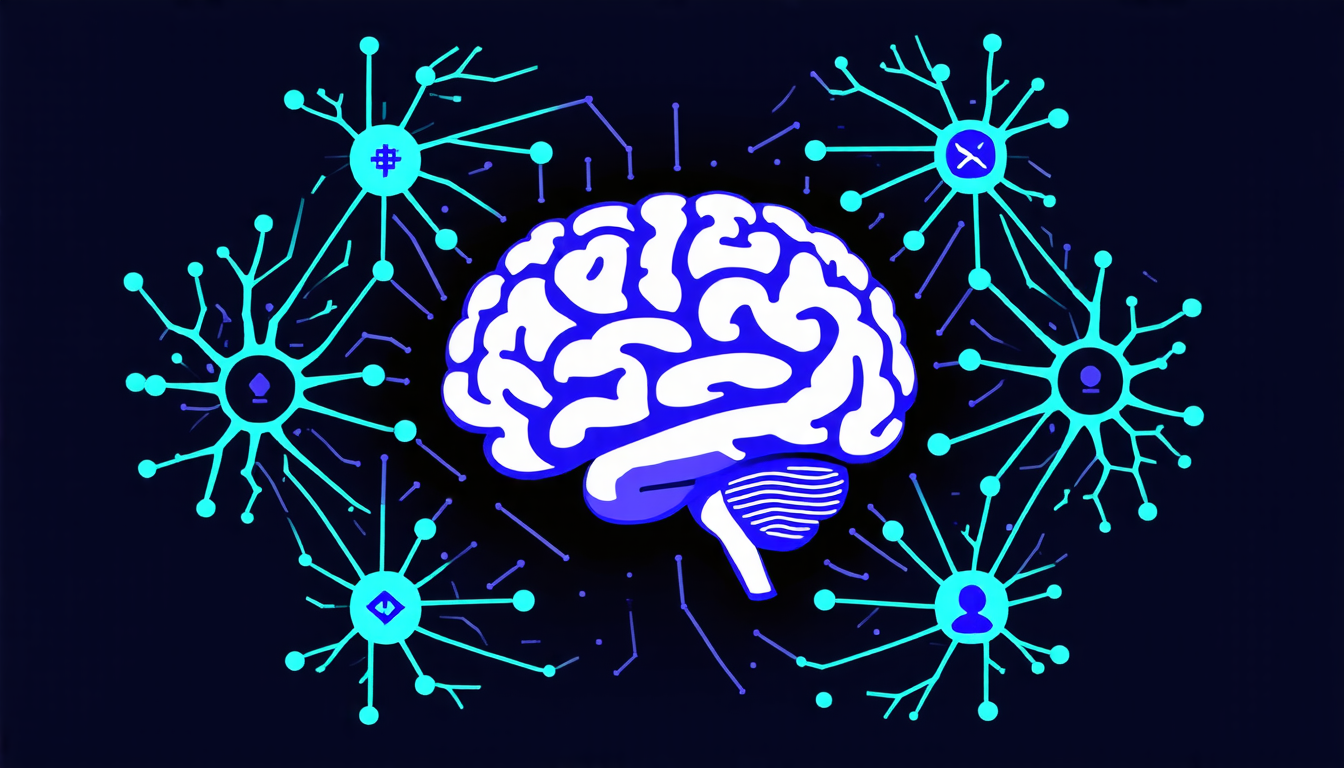
Neural networks and brains: a closer look at the similarities between two very different systems.
When it comes to understanding how neural networks process information, researchers often turn to the human brain for inspiration. After all, our own brain’s ability to learn, remember, and make decisions is unparalleled in the animal kingdom. But just how similar are these two systems, really? A new study published in Science Advances aims to shed some light on this question by using a novel approach to compare neural networks with the human brain.
The researchers used something called centered kernel alignment (CKA) to measure the similarity between neural networks and different regions of the brain. CKA is a technique that compares the representations of data in two systems, like a neural network and the brain, to see how closely they align. In this case, the team used CKA to compare the representations of visual stimuli in both the brain’s visual cortex and in artificial neural networks trained on similar tasks.
The results are fascinating. The study found that when it comes to processing simple visual stimuli, like lines and shapes, neural networks and the brain’s visual cortex are remarkably similar. In fact, the CKA scores were nearly identical between the two systems, suggesting a high degree of alignment in how they represent this type of information.
But things get more interesting when you look at more complex visual stimuli, like objects and scenes. Here, the CKA scores begin to diverge, with the brain’s visual cortex showing a greater ability to disentangle different features of an object or scene. This makes sense, given that our brains have evolved to deal with the complexities of real-world environments, while neural networks are typically trained on simpler, more controlled datasets.
The study also looked at how well neural networks could mimic the brain’s ability to recognize objects across different contexts and lighting conditions. Here, the results were surprisingly good, with some neural networks able to achieve CKA scores similar to those seen in the brain.
So what does all this mean? For one thing, it suggests that there are certain fundamental principles at work in both neural networks and the brain’s visual cortex, despite their many differences. It also highlights the importance of considering the complexity of real-world data when training artificial intelligence systems.
Perhaps most excitingly, these findings could have implications for the development of more advanced AI systems.
Cite this article: “Unlocking the Secrets of Brain-Like Intelligence in Artificial Neural Networks”, The Science Archive, 2025.
Neural Networks, Brain, Visual Cortex, Artificial Intelligence, Centered Kernel Alignment, Cka, Machine Learning, Deep Learning, Cognitive Science, Neuroscience