

Friday 28 March 2025
A team of researchers has made a significant breakthrough in the field of artificial intelligence, developing a new framework for optimizing multi-objective and multi-group reinforcement learning tasks. This innovative approach has far-reaching implications for various industries, including healthcare, finance, and transportation.
The traditional method for training AI models involves maximizing a single objective function or reward signal. However, real-world problems often require balancing multiple objectives simultaneously, such as improving patient outcomes while minimizing costs in healthcare or optimizing route efficiency while considering environmental impact in logistics.
To address this challenge, the researchers created a novel framework that can handle multiple objectives and groups of users with different preferences. The system uses a combination of linear aggregation and nonlinear optimization techniques to find the optimal solution.
The key innovation lies in transforming the non-linear optimization problem into a series of sub-problems, each involving only linear aggregation. This enables the algorithm to efficiently solve complex problems that would be difficult or impossible for traditional methods to handle.
To demonstrate the effectiveness of their approach, the researchers tested it on several real-world scenarios, including optimizing patient outcomes in healthcare and recommending personalized treatments based on individual preferences. The results showed significant improvements in performance compared to existing methods.
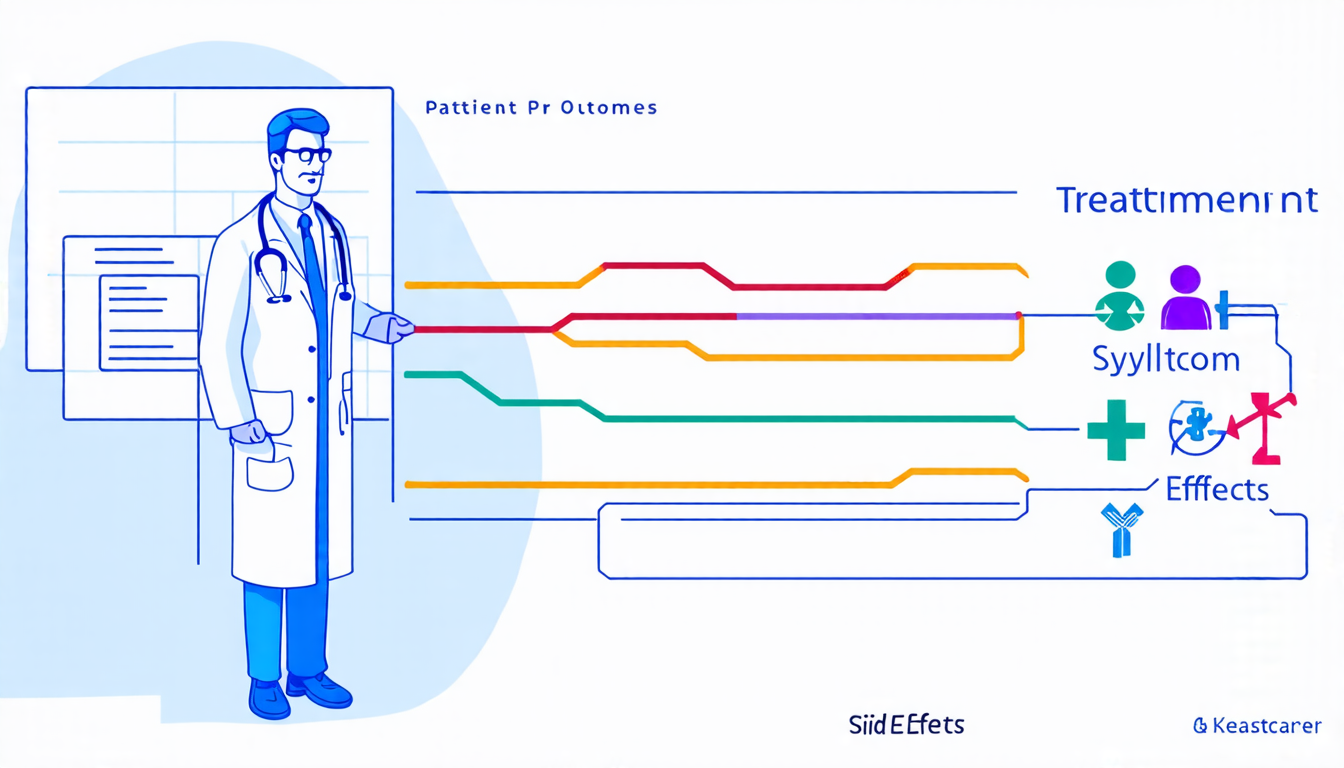
The potential applications of this technology are vast and varied. In healthcare, for example, AI models could be trained to optimize treatment plans for patients with complex conditions, taking into account multiple objectives such as symptom relief, side effect minimization, and cost-effectiveness.
In finance, the framework could be used to develop more sophisticated portfolio optimization algorithms that balance risk and return while considering individual investor preferences. Similarly, in transportation, AI models could be trained to optimize route planning for package delivery or passenger transportation services, taking into account multiple objectives such as time, cost, and environmental impact.
The development of this new framework marks a significant milestone in the field of artificial intelligence and has the potential to transform various industries by enabling more efficient and effective decision-making. As AI continues to play an increasingly important role in our lives, innovations like this will be crucial for unlocking its full potential and driving progress in areas such as healthcare, finance, and transportation.
The researchers’ work provides a powerful tool for optimizing complex problems and has far-reaching implications for various industries. By leveraging the strengths of linear aggregation and nonlinear optimization techniques, their framework offers a new paradigm for solving multi-objective and multi-group reinforcement learning tasks.
Cite this article: “Breakthrough in Artificial Intelligence: A Novel Framework for Optimizing Complex Problems”, The Science Archive, 2025.
Artificial Intelligence, Reinforcement Learning, Multi-Objective Optimization, Nonlinear Optimization, Linear Aggregation, Machine Learning, Healthcare, Finance, Transportation, Portfolio Optimization





