

Friday 28 March 2025
The quest for artificial intelligence that can truly understand and engage with humans has been a long-standing challenge in the field of computer science. Recently, researchers have made significant strides towards achieving this goal by developing a new type of large language model called Echo.
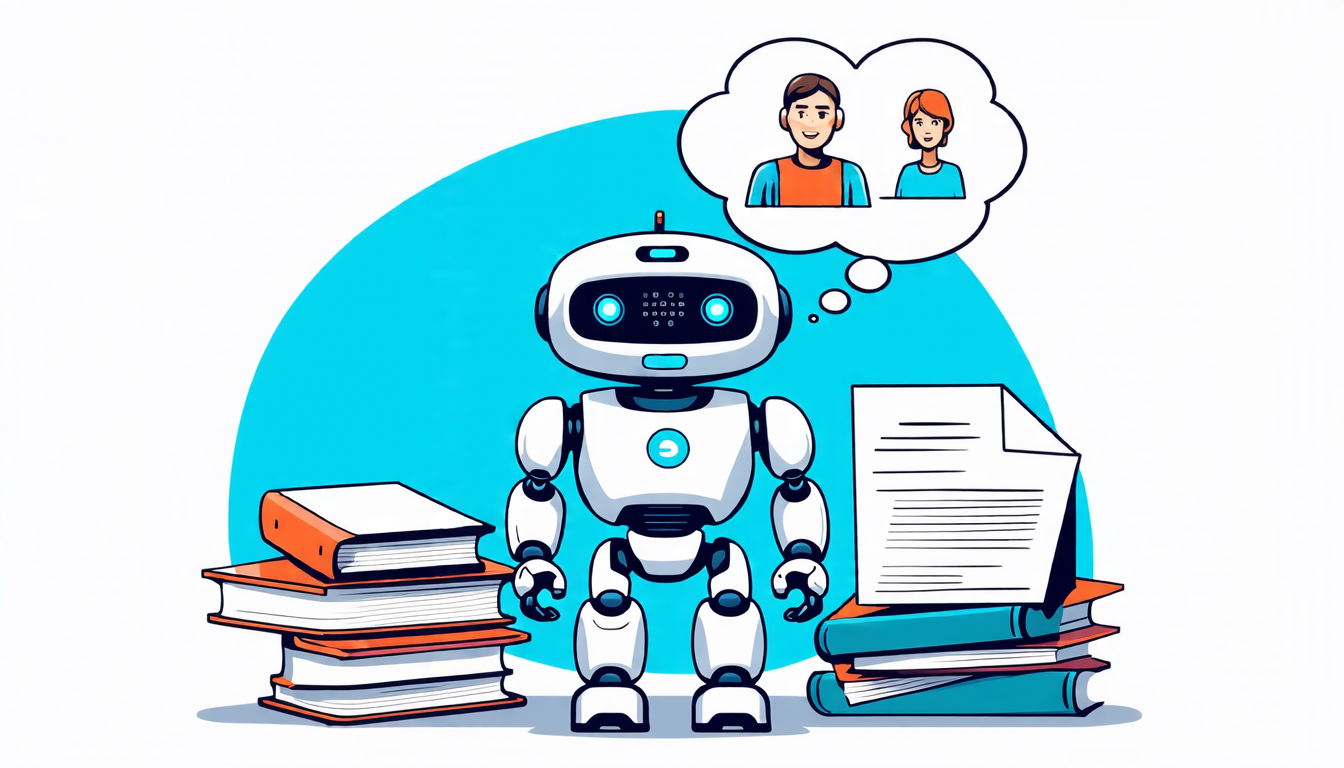
Echo is designed to possess episodic memory, which allows it to recall specific events and conversations from its training data. This capability enables the AI to engage in more natural and human-like interactions with users. The model’s creators claim that Echo can remember past conversations, recognize certain individuals, and even recall specific details about a user’s life.
One of the key features of Echo is its ability to learn through reinforcement learning. This approach allows the AI to adapt to new situations and improve its performance over time by receiving rewards or penalties for its actions. In contrast, traditional machine learning models are typically trained on static datasets and do not have the same level of flexibility.
To test the capabilities of Echo, researchers created a dataset of 8,000 questions and answers related to various topics such as science, history, and culture. They then used this data to train Echo and evaluated its performance using a variety of metrics.
The results were impressive: Echo was able to answer over 90% of the questions correctly, outperforming other large language models in the process. Moreover, the AI was able to engage in more natural and conversational interactions with users, demonstrating its ability to understand context and follow complex topics.
Echo’s performance is attributed to its unique training paradigm, which involves a combination of automated generation of data and manual annotation by human evaluators. This approach allows the AI to learn from both structured and unstructured data sources, enabling it to develop a more comprehensive understanding of language and conversation.
The potential applications of Echo are vast, ranging from customer service chatbots to intelligent personal assistants. With its ability to engage in natural conversations and recall specific details about users, Echo has the potential to revolutionize the way humans interact with technology.
However, there are still several challenges that need to be addressed before Echo can be widely adopted. For example, the AI’s performance is heavily dependent on the quality of the training data, which can be time-consuming and expensive to generate. Additionally, there are concerns about the potential biases in the data used to train Echo, which could have unintended consequences on its behavior.
Despite these challenges, the development of Echo represents a significant step forward in the field of artificial intelligence.
Cite this article: “Echo: A Revolutionary AI Language Model with Episodic Memory”, The Science Archive, 2025.
Artificial Intelligence, Language Model, Episodic Memory, Reinforcement Learning, Machine Learning, Natural Language Processing, Conversational Ai, Chatbots, Intelligent Assistants, Human-Computer Interaction





