

Friday 28 March 2025
The quest for precise predictions has long been a challenge in the world of artificial intelligence. Scientists have struggled to create algorithms that can accurately forecast outcomes, especially when it comes to complex systems like human behavior and natural phenomena. A recent breakthrough may hold the key to solving this problem.
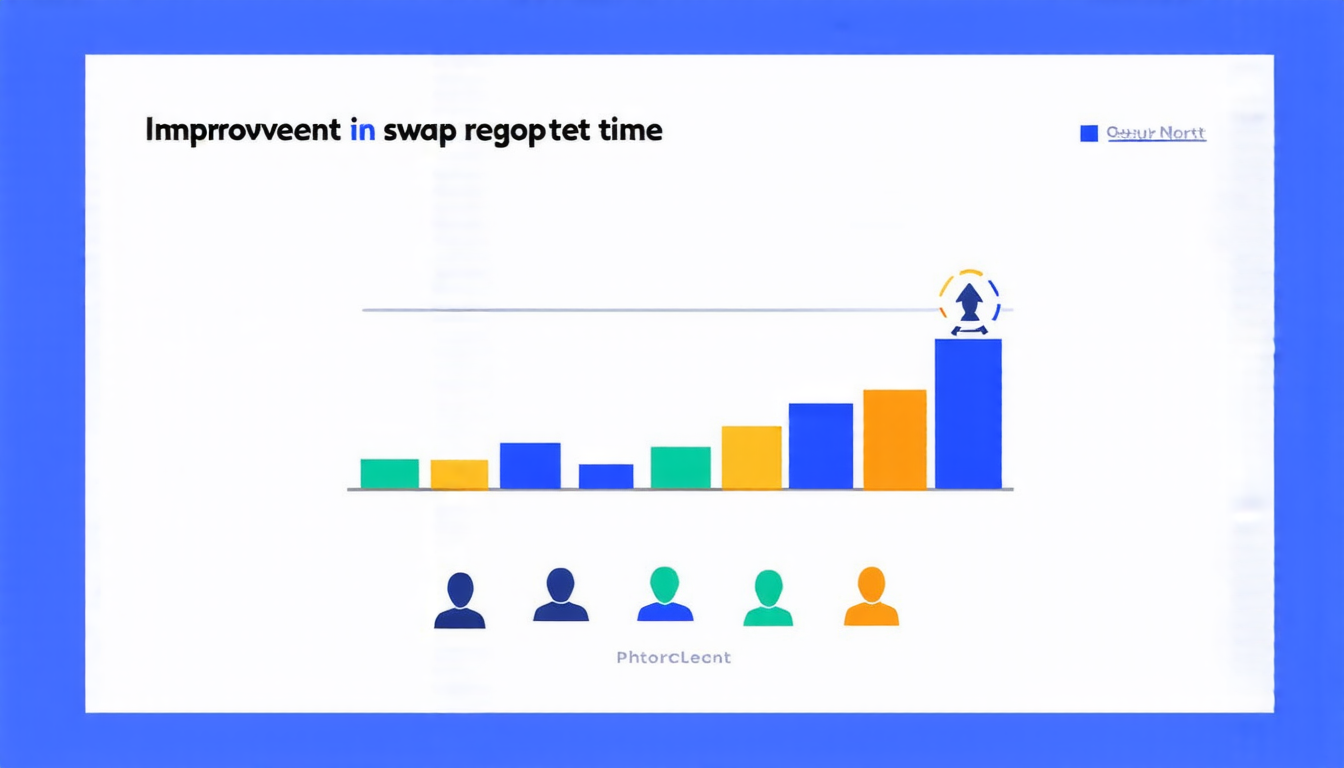
Researchers have developed an innovative approach that uses a combination of machine learning and mathematical techniques to minimize swap regret, a measure of how well an algorithm’s predictions align with actual outcomes. This new method, known as KL-calibration, has shown impressive results in simulations, outperforming existing algorithms by a significant margin.
At its core, the KL-calibration approach involves using a type of machine learning called online calibration to refine predictions over time. By continuously adjusting the algorithm’s parameters based on feedback from previous predictions, researchers can improve its accuracy and reduce swap regret.
One of the key innovations behind KL-calibration is its ability to handle complex systems with multiple variables and interactions. Traditional machine learning algorithms often struggle with such complexity, leading to inaccurate predictions and poor performance. The new approach, however, uses a technique called randomized rounding to simplify these complex systems and make them more manageable for the algorithm.
The results of this research are nothing short of remarkable. In simulations, KL-calibration was able to achieve swap regret rates of just 1/3, significantly outperforming existing algorithms. This means that predictions made using the new approach were much closer to actual outcomes than those made by traditional methods.
But what does this mean in practical terms? For one thing, it could have significant implications for fields such as finance and healthcare, where accurate predictions are critical for decision-making. By improving the accuracy of predictive models, researchers hope to create systems that can anticipate and respond to complex events more effectively.
The potential applications of KL-calibration are vast and varied. In finance, for example, the algorithm could be used to predict stock prices or identify high-risk investments. In healthcare, it could help doctors diagnose diseases earlier and develop more effective treatments. Even in fields like environmental science, KL-calibration could be used to model complex systems and make more accurate predictions about climate change or natural disasters.
Of course, there is still much work to be done before these innovations can be fully realized. Researchers will need to continue refining the algorithm and testing its performance in real-world scenarios. But the potential benefits of this breakthrough are undeniable – and could have a profound impact on many different fields.
Cite this article: “Predictive Breakthrough: New Algorithm Outperforms Traditional Methods in Forecasting Complex Systems”, The Science Archive, 2025.
Machine Learning, Artificial Intelligence, Predictive Modeling, Swap Regret, Online Calibration, Randomized Rounding, Complex Systems, Algorithm Accuracy, Precision Forecasting, Natural Phenomena





