

Friday 28 March 2025
A new study sheds light on the potential benefits of artificial intelligence in medical diagnosis, specifically in the realm of lung cancer detection. Researchers from West China Hospital and INSEAD conducted a field experiment to examine how AI can augment human professionals’ diagnostic capabilities.
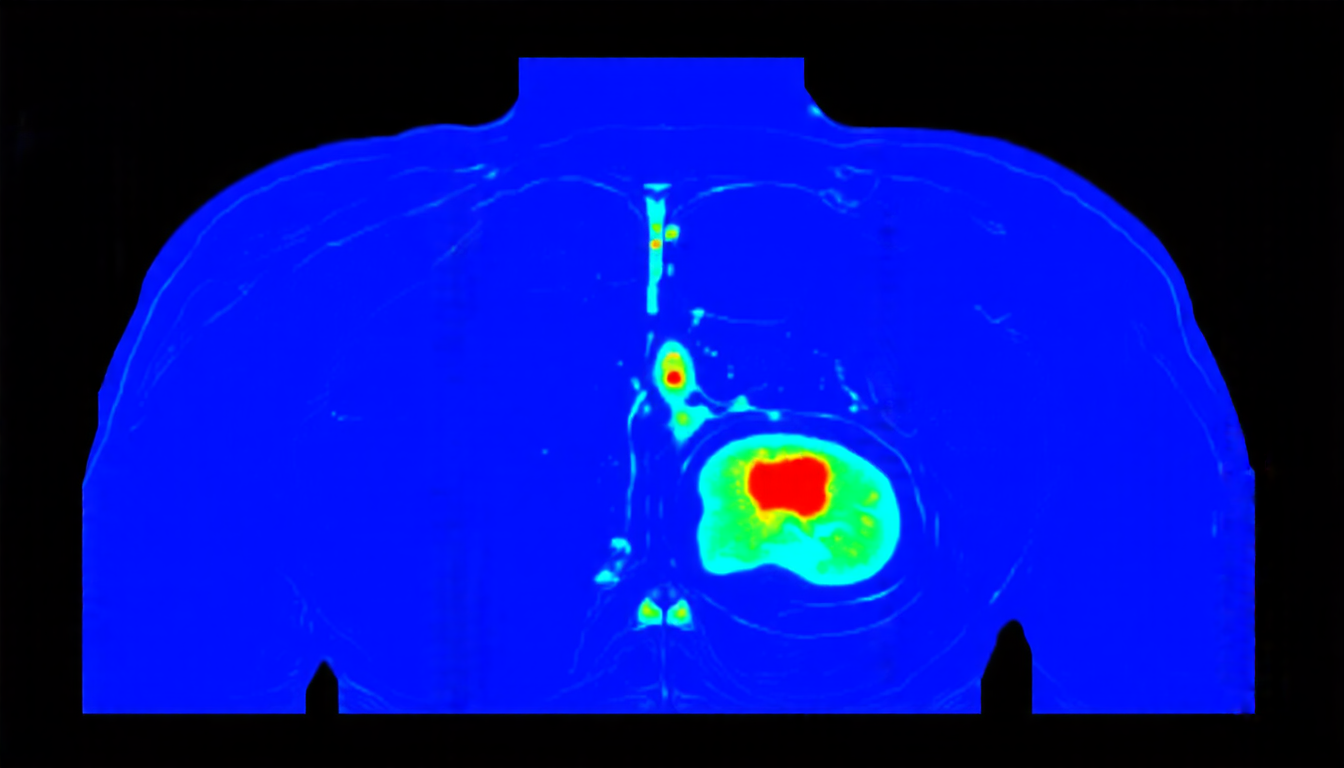
The study focused on novice medical students, who were tasked with diagnosing 30 real patient cases using high-resolution chest CT scans. Half of the participants received AI-assisted training, while the other half did not. During the diagnosis task, some participants had access to AI-generated annotations for each case, providing real-time assistance.
The results showed that when AI was used as a tool during diagnosis, it significantly improved human diagnostic performance. In fact, those who received AI support scored substantially higher than those who did not. This suggests that AI can provide valuable insights and augment human capabilities in high-stakes medical decision-making.
But here’s the twist: when AI was integrated into both training and practice, participants achieved the highest diagnostic accuracy. This finding highlights the potential benefits of AI-driven training, which can improve professionals’ intrinsic capabilities and enhance their ability to work effectively with AI systems.
The study also explored the impact of AI on precision and sensitivity, two critical metrics in medical diagnosis. While AI use as a tool improved precision, it slightly decreased sensitivity. However, when AI was used in both training and practice, precision and sensitivity improved simultaneously.
These findings have significant implications for healthcare professionals, policymakers, and patients alike. They suggest that AI can play a vital role in improving diagnostic accuracy and enhancing patient outcomes. Moreover, they highlight the importance of integrating AI into medical education and training programs to ensure that professionals are equipped to work effectively with these systems.
The study’s authors emphasize the need for further research on AI-driven diagnosis, particularly in high-risk medical areas like lung cancer detection. As AI continues to evolve and become increasingly prevalent in healthcare, it is essential to investigate its potential benefits and limitations in real-world settings.
In the context of lung cancer diagnosis, where timely and accurate detection can be life-saving, these findings are especially significant. They underscore the importance of exploring innovative solutions that can improve patient outcomes and reduce the burden on healthcare systems.
Ultimately, this study demonstrates the potential for AI to augment human capabilities in medical diagnosis, paving the way for more effective and efficient care delivery.
Cite this article: “AI-Driven Diagnosis: A Game-Changer in Lung Cancer Detection?”, The Science Archive, 2025.
Artificial Intelligence, Lung Cancer Detection, Medical Diagnosis, Ai-Assisted Training, Diagnostic Accuracy, Precision, Sensitivity, Medical Education, Healthcare Professionals, Patient Outcomes





