

Sunday 30 March 2025
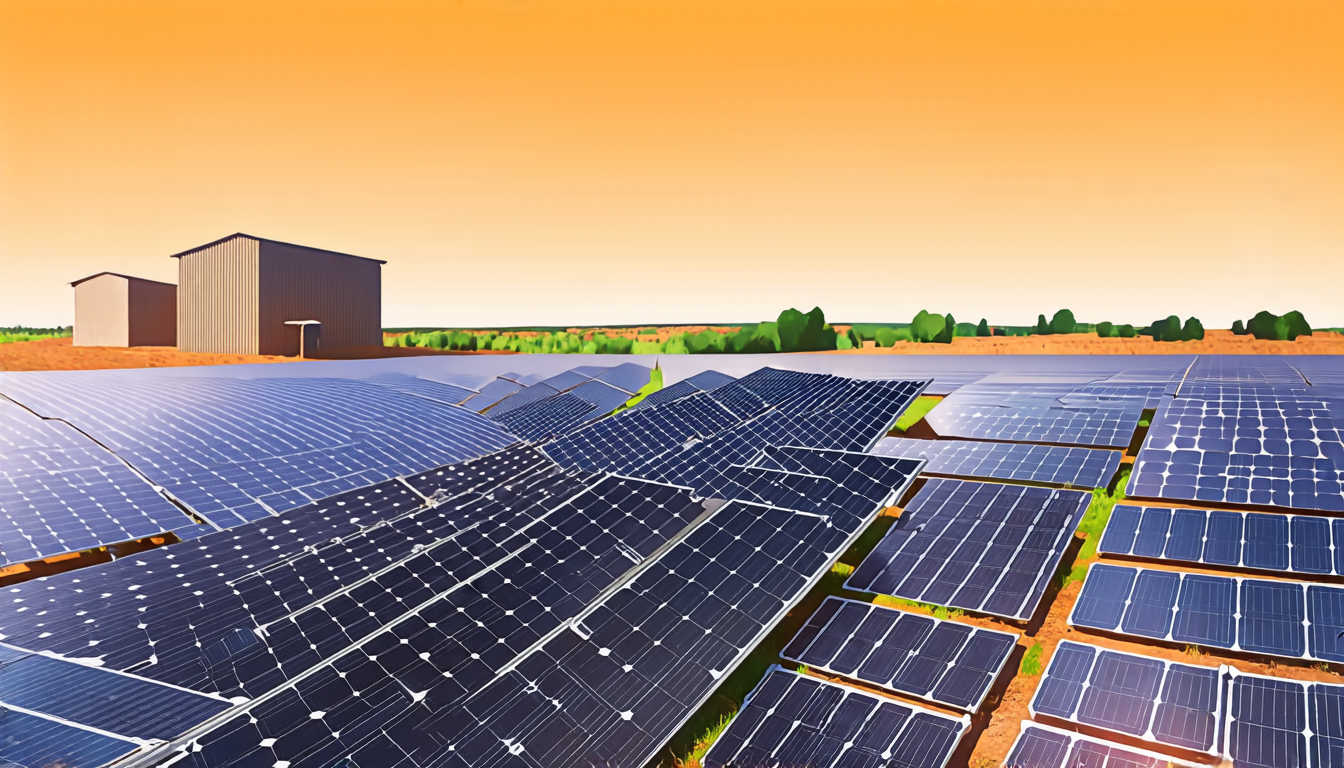
The quest for a sustainable energy future has led scientists to explore various options, including solar power. A recent study delves into the factors that influence the deployment of solar photovoltaic (PV) capacity across regions in Great Britain.
Solar PV is a crucial component in the transition towards renewable energy sources. As governments strive to meet their climate change targets, understanding the factors that drive the adoption of solar PV technology is essential. This study aims to identify the key determinants of regional solar PV deployment and provide insights for policymakers and industry stakeholders.
The researchers used a combination of machine learning algorithms and geographic information systems (GIS) to analyze data from 2012 to 2020. They focused on the NUTS 3 regions in Great Britain, which are administrative divisions that group similar areas together based on population density, urbanization, and economic characteristics.
The study revealed that agricultural land use is a significant predictor of solar PV deployment. Regions with more arable land tend to have higher solar PV capacity. This finding suggests that policymakers should consider the impact of solar farms on local agriculture when implementing policies to promote renewable energy.
Urbanization also plays a crucial role in determining solar PV adoption. The researchers found that urban areas tend to have lower solar PV capacity due to factors such as shading from buildings and infrastructure. However, this does not necessarily mean that urban areas should be excluded from solar PV deployment. Instead, innovative solutions can be developed to address the unique challenges faced by urban regions.
The study also highlights the importance of gross value added (GVA) in driving solar PV adoption. Regions with higher GVA tend to have a greater capacity for solar PV deployment. This finding has implications for policymakers, who should consider the economic potential of each region when developing policies to promote renewable energy.
Another important factor identified by the study is the role of education in influencing solar PV adoption. Regions with higher levels of educational attainment tend to have a greater capacity for solar PV deployment. This suggests that increasing access to education and promoting awareness about the benefits of renewable energy can help drive adoption rates.
The researchers used a combination of machine learning algorithms, including XGBoost and Shapley Additive Explanations (SHAP), to identify the most important factors influencing solar PV deployment. These algorithms allowed them to analyze complex data sets and provide insights into the relationships between different variables.
The study’s findings have significant implications for policymakers and industry stakeholders.
Cite this article: “Factors Influencing Solar PV Deployment Across Regions in Great Britain”, The Science Archive, 2025.
Solar Power, Renewable Energy, Photovoltaic, Great Britain, Machine Learning, Geographic Information Systems, Agricultural Land Use, Urbanization, Gross Value Added, Education





