

Sunday 30 March 2025
For decades, scientists have been working on developing a way to efficiently group similar things together – think of it like categorizing files on your computer, but instead of documents and pictures, you’re dealing with complex data sets that can contain thousands of variables. This problem is crucial in many fields, from medicine to finance, where identifying patterns and relationships between different data points can help researchers make predictions or uncover hidden trends.
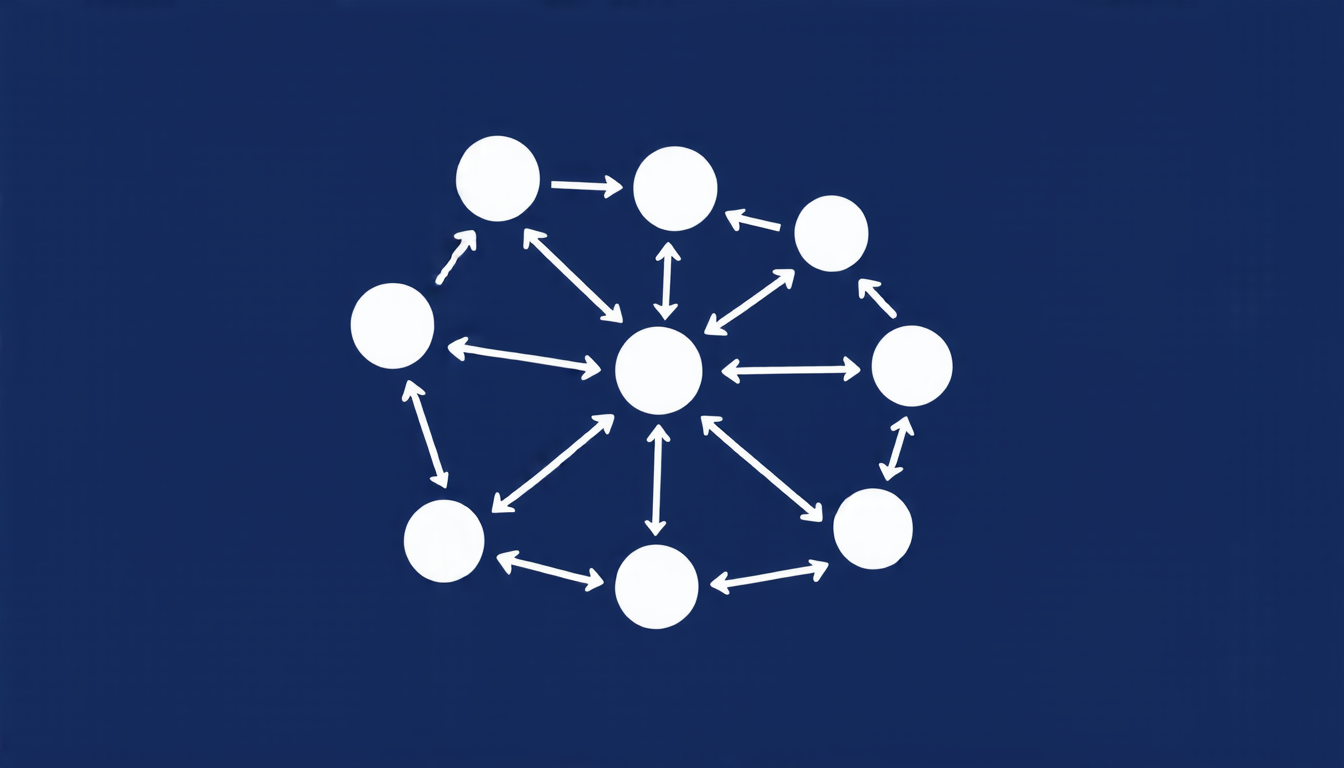
Recently, a team of scientists has made significant progress in this area by developing a new algorithm called Consistent Amortized Clustering via Generative Flow Networks (GFNCP). In simple terms, GFNCP is a way to group similar data together while taking into account the relationships between different variables. This approach has been shown to be more efficient and accurate than previous methods.
The key innovation behind GFNCP lies in its ability to learn patterns in complex data sets without requiring extensive computational resources or manual intervention. The algorithm uses a combination of machine learning techniques, including generative flow networks, which allow it to model the relationships between different variables, and amortized clustering, which enables it to group similar data together.
To test GFNCP’s abilities, the researchers used it on several real-world datasets, including images from the popular MNIST dataset and a mix of financial data. The results were impressive – GFNCP was able to identify patterns and relationships that previous methods had missed, and its accuracy was comparable to or even better than state-of-the-art algorithms.
One of the most significant advantages of GFNCP is its ability to scale up to large datasets without sacrificing performance. This makes it particularly useful for applications where data is abundant but computational resources are limited, such as in finance or healthcare.
GFNCP also has the potential to be used in a variety of other fields, from social network analysis to bioinformatics. By enabling researchers to identify patterns and relationships in complex data sets, GFNCP could lead to breakthroughs in areas such as disease diagnosis, personalized medicine, and financial forecasting.
Overall, the development of GFNCP is an important step forward in the field of machine learning and data analysis. Its ability to efficiently group similar data together while taking into account complex relationships makes it a powerful tool for researchers and analysts working with large datasets. As the algorithm continues to be refined and improved, its potential applications are likely to be vast and far-reaching.
Cite this article: “Unlocking Insights: A New Algorithm for Efficient Data Clustering”, The Science Archive, 2025.
Machine Learning, Data Analysis, Clustering, Algorithm, Generative Flow Networks, Amortized Clustering, Pattern Recognition, Relationships, Scalability, Efficiency





