

Sunday 30 March 2025
Scientists have long sought ways to shape and manipulate light, a crucial tool for imaging and understanding the world around us. In recent years, researchers have made significant strides in this area, developing techniques such as ghost projection that allow them to create complex patterns of light with unprecedented precision.
One of the most promising applications of ghost projection is in the field of neutron imaging, which involves using neutrons to create detailed images of materials and objects. Neutrons are unique particles that can penetrate deep into matter, making them ideal for imaging thick or dense samples. However, traditional methods for producing neutron beams have limitations, such as requiring expensive and complex equipment.
The new technique developed by researchers uses a single mask that is transversely displaced to create a pattern of neutrons. The mask is made up of small regions that are illuminated with different intensities, allowing the scientists to control the distribution of neutrons in space. This approach has several advantages over traditional methods, including greater flexibility and precision.
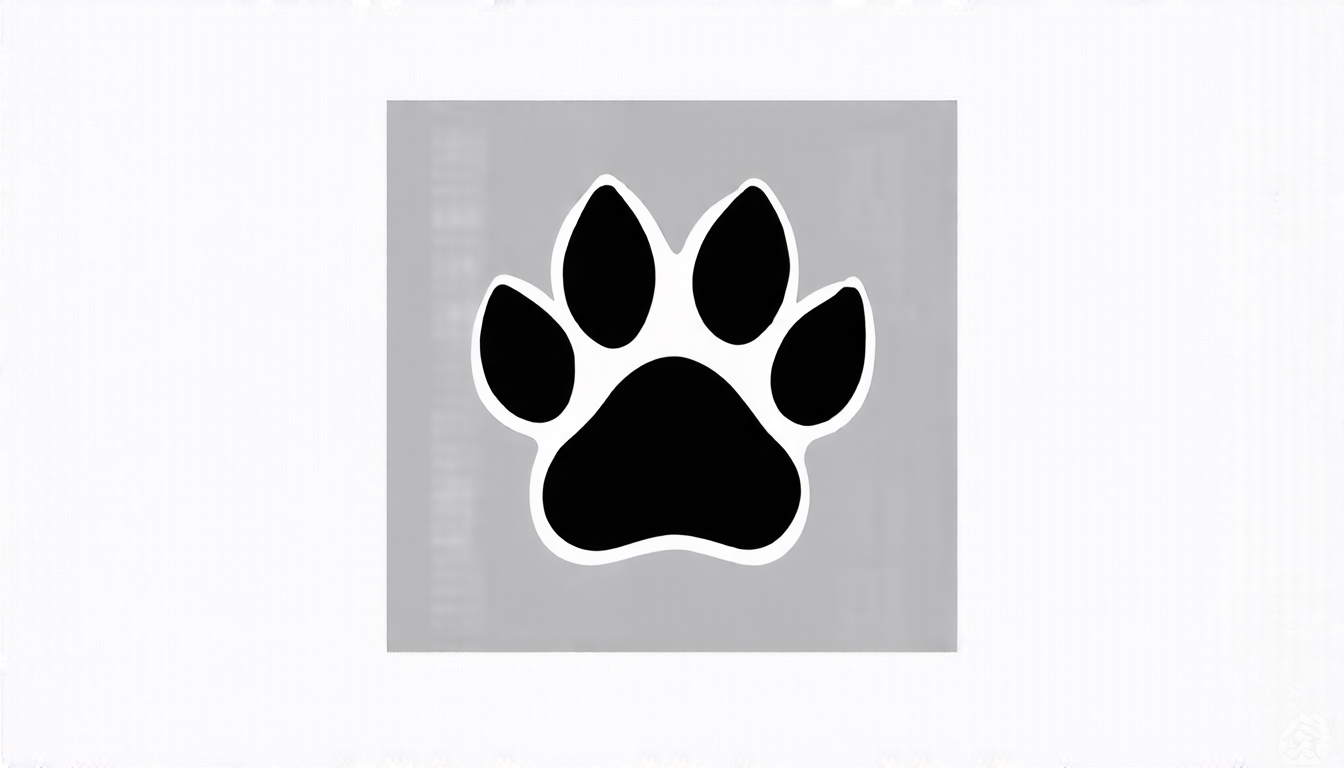
The team behind this research used the Dingo neutron imaging beamline at the OPAL nuclear research reactor in Australia to test their technique. They created a series of complex patterns using the ghost projection method, including images of two squares on a black background and a dingo paw print. These patterns were then used to illuminate a sample material, creating detailed images that would be difficult or impossible to achieve with traditional methods.
The potential applications of this technology are vast. For example, it could be used to create high-resolution images of cultural heritage artifacts without damaging them, or to test the reliability and robustness of advanced materials and electronic components for space and defense industries. It could also be used in medical research, where it could help scientists better understand how neutrons interact with biological tissues.
The development of this technology is a significant step forward in the field of neutron imaging, and has the potential to open up new avenues for scientific research and discovery. By allowing scientists to create complex patterns of light with unprecedented precision, ghost projection could become an essential tool for researchers working in fields such as materials science, biology, and medicine.
One of the most exciting aspects of this technology is its flexibility and versatility. The team behind this research was able to create a wide range of different patterns using the same basic technique, from simple shapes like squares and circles to more complex images like the dingo paw print. This means that scientists could potentially use ghost projection to create custom-designed neutron beams for specific applications or experiments.
Cite this article: “Ghost Projection: A Breakthrough in Neutron Imaging Technology”, The Science Archive, 2025.
Neutron Imaging, Ghost Projection, Neutrons, Materials Science, Biology, Medicine, Nuclear Research, Opal Reactor, Dingo Paw Print, Neutron Beams.





